Soho Luxury Resale Market Trends Buyers and Sellers Should Know
June 4, 2026
June 4, 2026
If you are looking at SoHo luxury resale, you already know the neighborhood carries weight. What is less obvious is that SoHo does not behave like a simple prestige market where any well-located apartment sells quickly and at full ask. If you want to buy or sell well here, you need to understand how loft stock, pricing volatility, and buyer selectivity shape outcomes. Let’s dive in.
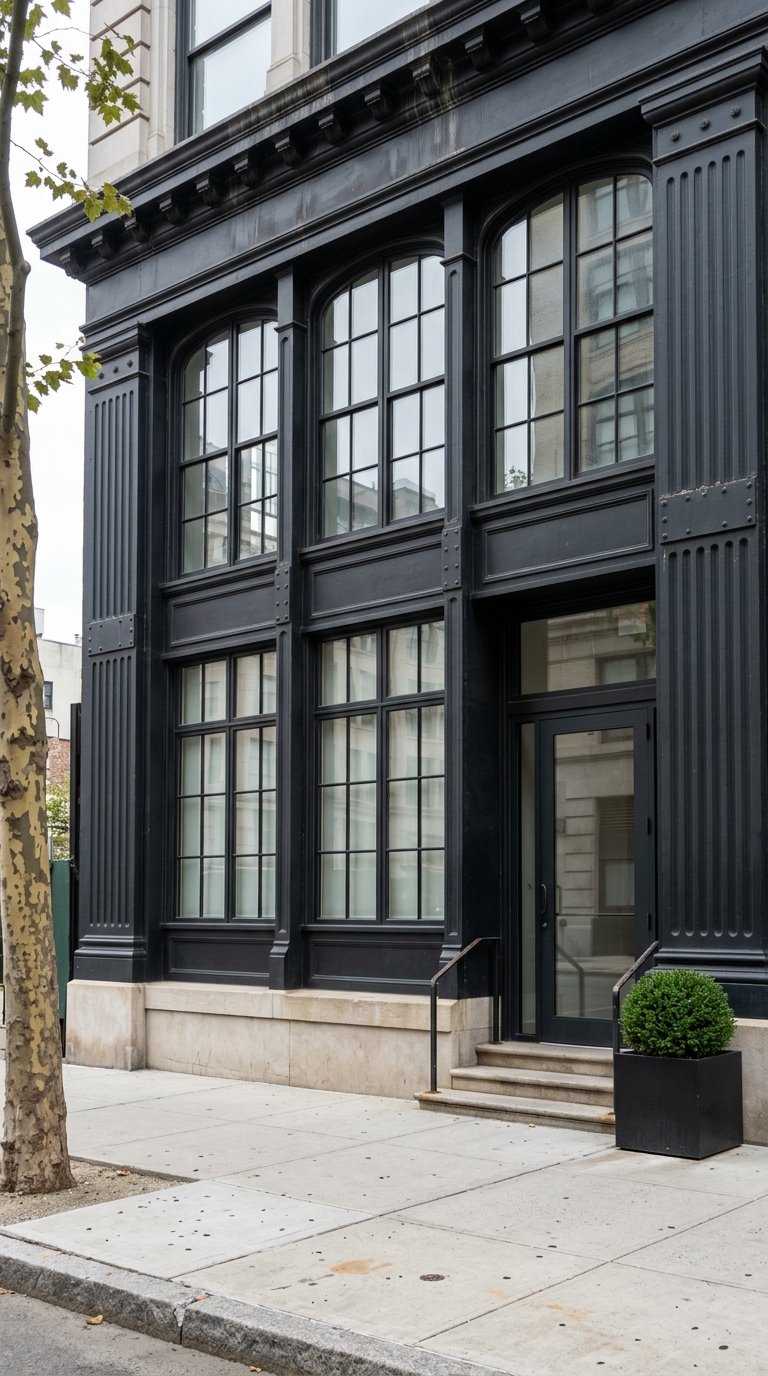
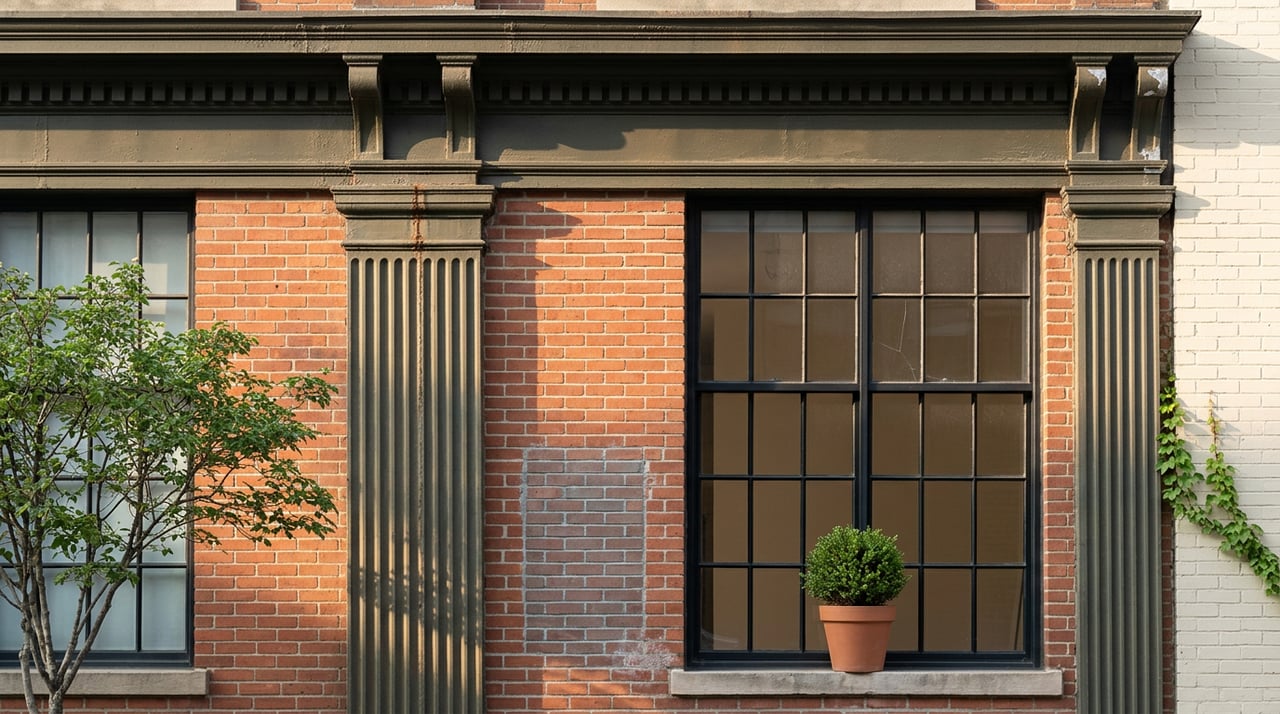
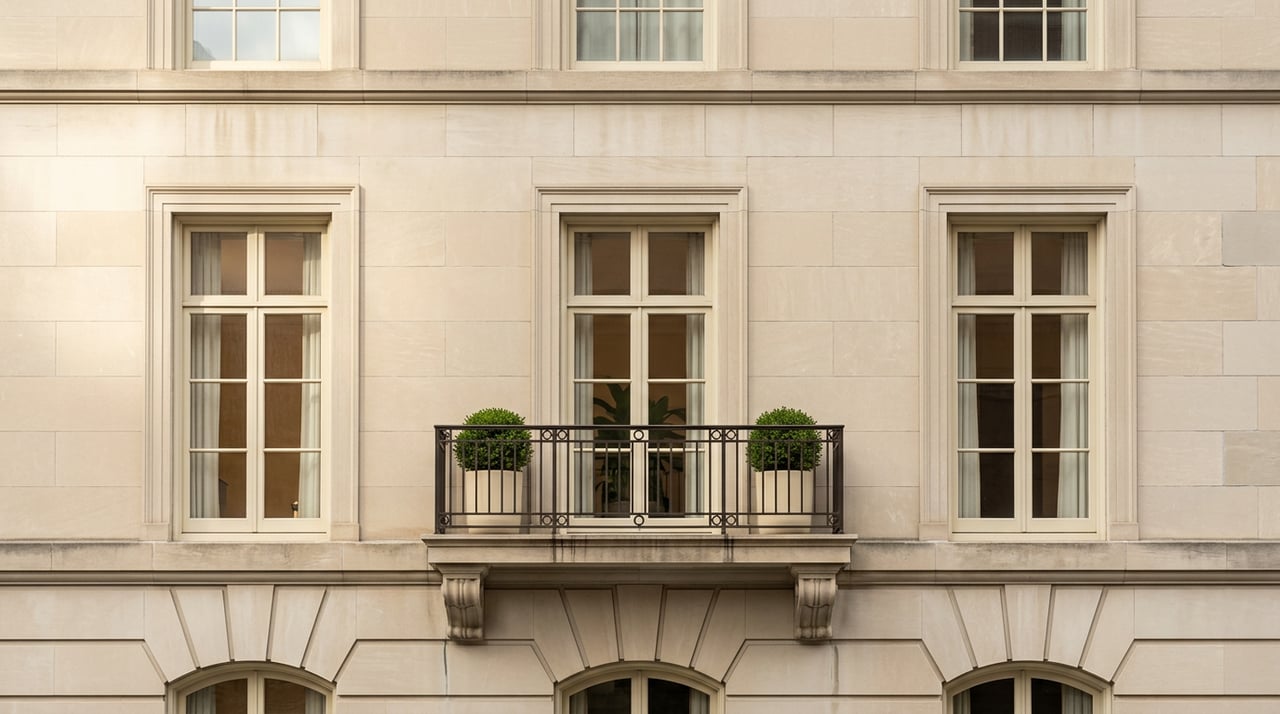
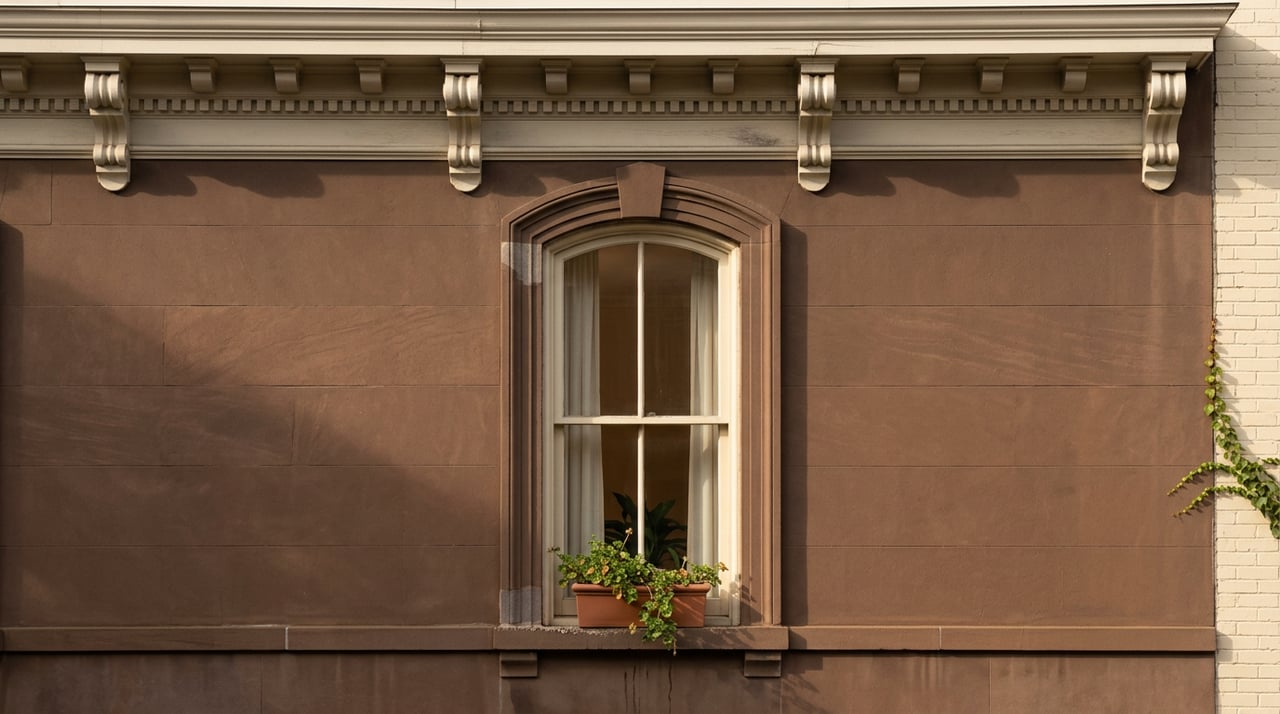
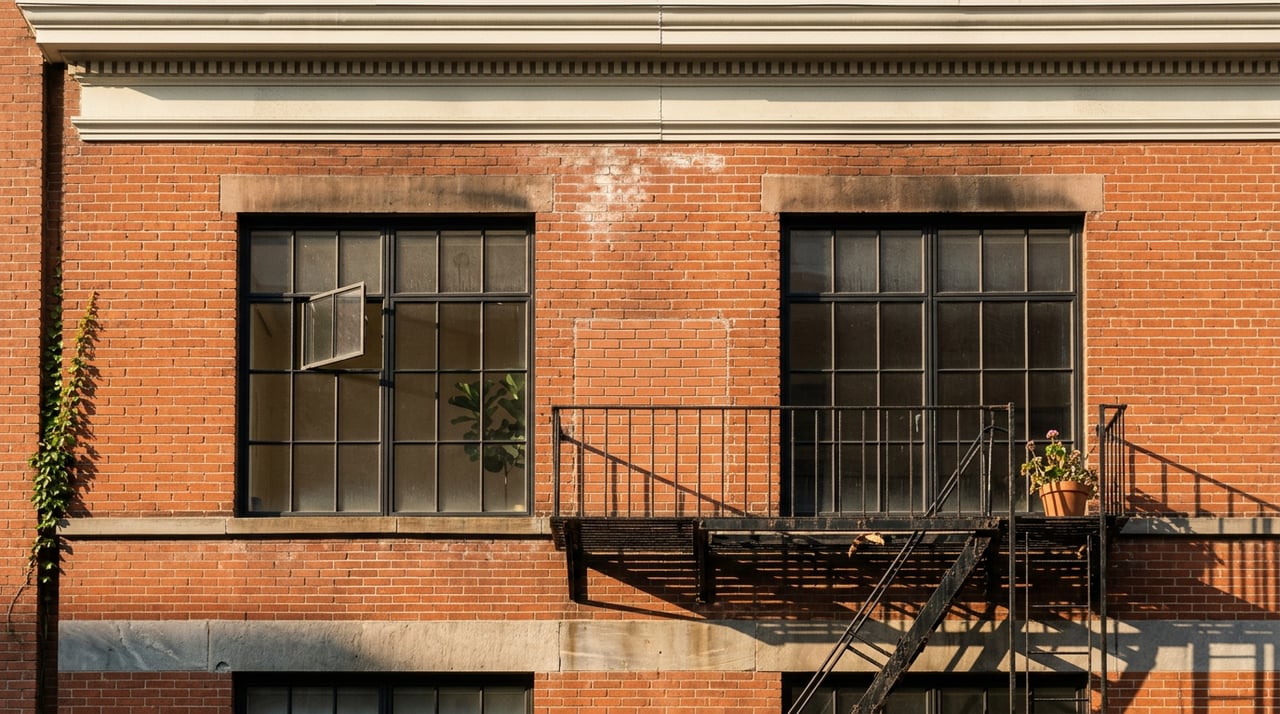
SoHo’s luxury resale market starts with its buildings. The SoHo-Cast Iron Historic District was designated in 1973, and the later extension added even more protected properties, creating a neighborhood defined by historic store-and-loft buildings with cast-iron and masonry façades.
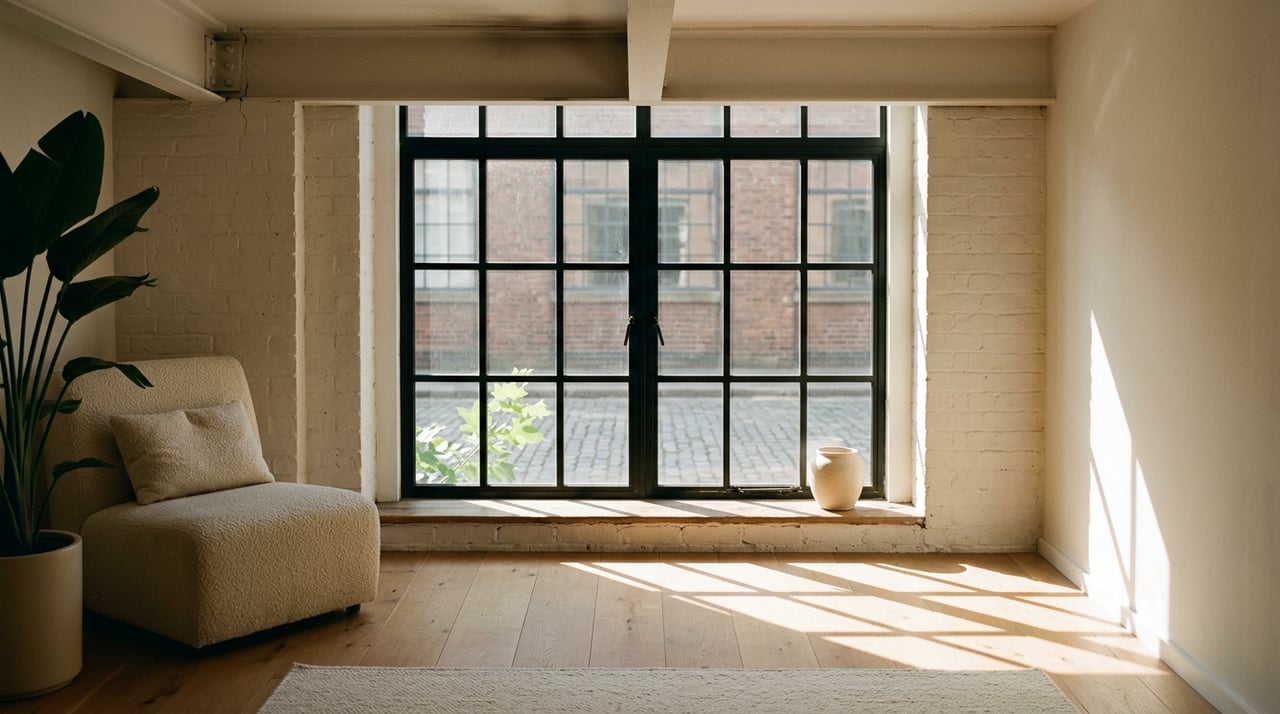
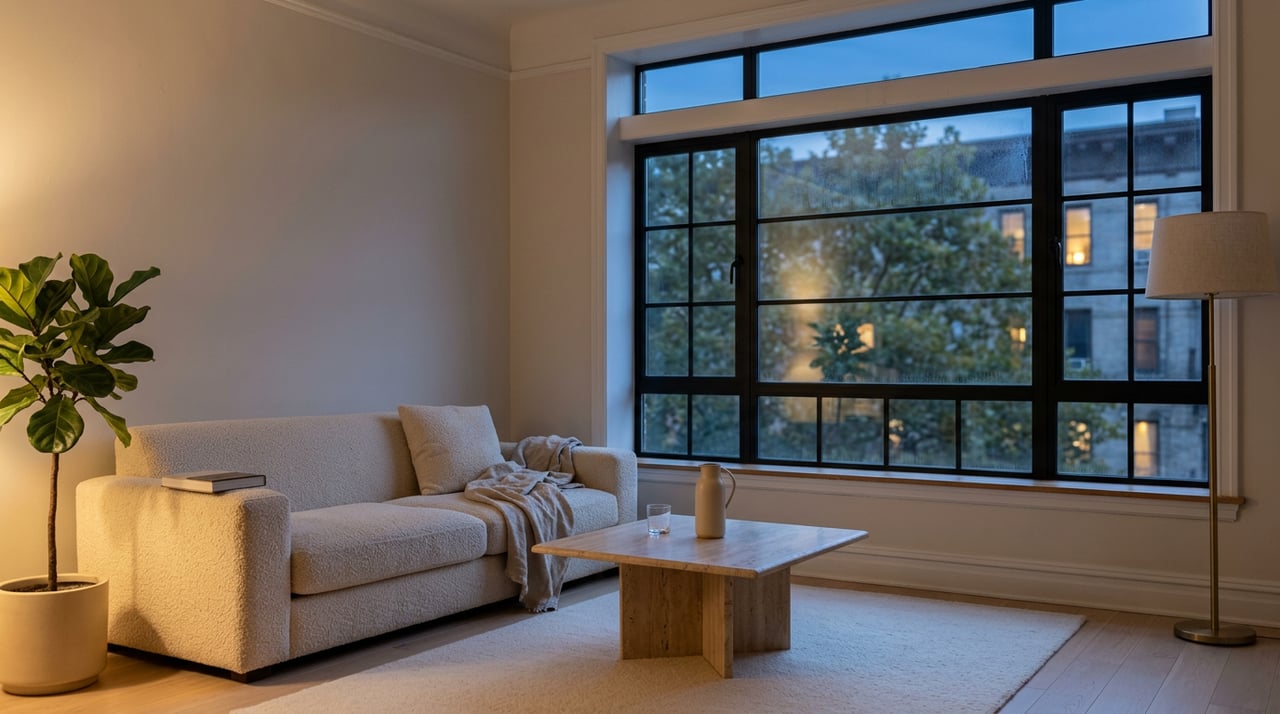
That history still shows up in today’s inventory. Many SoHo residences began as former industrial or textile buildings, which helps explain the open layouts, high ceilings, and large windows that buyers still seek out. In practical terms, a SoHo resale is often valued less like a standard apartment and more like a specific architectural product.
That means two homes with similar square footage can perform very differently. Buyers tend to focus on loft authenticity, natural light, ceiling height, layout flexibility, and the quality of any renovation. In a neighborhood like this, details matter more than labels.
SoHo remains one of Manhattan’s most expensive neighborhoods, but the exact median price can look different depending on the source and whether you are looking at listings or closed sales. Recent figures show a median sale around $3.4 million on StreetEasy, a $2.8 million median sale and $2,313 per square foot in PropertyShark’s April 2026 recorded-sales data, and a median listing price of $4.1475 million on Realtor.com.
That spread is not unusual in a low-volume luxury market. PropertyShark reported just 17 SoHo transactions in April 2026, which means a small number of high-end closings can move the median quickly. For buyers and sellers, that is a reminder not to rely on a single headline number.
Even with that volatility, SoHo clearly sits above the broader Manhattan market. PropertyShark’s April 2026 report put Manhattan’s median sale price at $1.3 million, while SoHo was roughly $2.8 million. In other words, SoHo remains an elite-tier market even when monthly numbers swing.
Luxury markets with limited inventory often produce noisy data. In SoHo, the median sale price moved from $4.5 million in March 2026 to $2.8 million in April 2026, while median price per square foot rose and transaction count increased.
That combination matters. A lower median sale price does not always mean values broadly dropped across the neighborhood. It can also reflect a different mix of units sold, such as smaller homes, fewer trophy lofts, or a shift in building types.
For that reason, price per square foot only tells part of the story too. In SoHo, the exact building, floor, exposure, layout, and finish level can change buyer perception fast. A beautifully renovated full-floor loft may not compete with a more typical condo in the same way a buyer might compare units in a newer, more uniform building.
One of the biggest surprises in SoHo is that prestige does not always equal speed. Realtor.com’s recent neighborhood data shows SoHo as a buyer’s market, with a median 114 days on market and a 94% sale-to-list ratio.
That means homes have been selling for about 6.32% below asking on average. For sellers, this is an important reality check. A strong address helps, but it does not erase the need for accurate pricing and sharp positioning.
The comparison with nearby downtown neighborhoods makes the point even clearer. Greenwich Village, West Village, Chelsea, and Tribeca all showed shorter marketing times and smaller average discounts in the same set of neighborhood data.
SoHo’s slower pace suggests buyers are especially selective here. They are not just buying location. They are buying a very specific combination of space, feel, and finish.
SoHo’s likely buyer pool tends to be narrower than in more broadly accessible markets. Given the neighborhood’s pricing, limited loft-style inventory, and long marketing times, buyers often skew toward affluent repeat purchasers, cash-heavy buyers, or highly qualified borrowers who know exactly what they want.
That lines up with broader city buyer trends. StreetEasy’s 2024 Buyer Trends Report found that 28% of successful NYC buyers paid all cash, 34% of mortgage buyers put down more than 20%, 35% owned other real estate, and 90% used an agent.
The same report found that buyers prioritized neighborhood amenities, commute time, proximity to family and friends, and transit access. In SoHo, those priorities often combine with design preferences. Buyers are frequently drawn to open plans, architectural character, and homes that feel distinctive rather than interchangeable.
If you are selling in SoHo, pricing discipline matters. The market data suggests that sellers who lean too heavily on neighborhood prestige or older peak comps may face longer market times and deeper discounts.
A better approach is to evaluate your home through the lens buyers are actually using now. That usually means looking closely at your building, your line, your ceiling height, your natural light, your renovation quality, and how your floor plan compares to recent sales.
Presentation also matters in a neighborhood where homes are highly visual and often design-driven. When buyers are choosing between a true loft, a renovated condo, or a home that blends historic character with modern finishes, your listing needs to tell a clear story from the start.
In a selective market, the goal is not just exposure. The goal is to connect with the buyer who wants your exact product and can recognize its value quickly.
If you are buying in SoHo, the current environment may offer room to negotiate, especially when a listing has lingered. A 94% sale-to-list ratio and longer days on market suggest you should look closely at pricing history, competing inventory, and the condition of the home before making assumptions.
That said, not every SoHo property should be treated the same way. Some listings sit because they missed the market on price or presentation. Others remain available because the right buyer for that very specific loft has not come along yet.
The opportunity for you is in understanding the difference. When a home has strong fundamentals such as light, scale, authenticity, and smart updates, it may still command a premium even in a negotiable market.
The most accurate way to view SoHo is as a premium but method-sensitive resale market. It is expensive, architecturally distinct, and still negotiable when a listing misses the narrow buyer profile that wants that exact home.
That is why broad averages only go so far. In many neighborhoods, buyers can compare one unit to several near-identical alternatives. In SoHo, each residence may stand more on its own.
For sellers, that makes strategic pricing and targeted marketing especially important. For buyers, it creates the chance to be selective, but it also means the best-fit properties may not be easy to replace once they are gone.
If you are considering a move in SoHo, clear market interpretation matters as much as market access. The right guidance can help you separate noise from signal and make decisions based on how this neighborhood actually trades today.
If you want a data-driven view of where your SoHo property stands or how to approach a purchase in this market, connect with The Anable Podell Team for a private valuation and tailored guidance.
Stay up to date on the latest real estate trends.
Etiam non quam lacus suspendisse faucibus interdum. Orci ac auctor augue mauris augue neque. Bibendum at varius vel pharetra. Viverra orci sagittis eu volutpat.