Lenox Hill vs Upper East Side: Find Your Best Fit
May 21, 2026
May 21, 2026
Trying to choose between Lenox Hill and the Upper East Side can feel simple at first, until you realize you are really comparing block-by-block lifestyle, building style, and budget. If you want the right fit for your daily routine, commute, and long-term plans, the details matter. This guide will help you sort through what actually separates Lenox Hill from the broader Upper East Side so you can narrow your search with more confidence. Let’s dive in.
The first thing to know is that Lenox Hill is best understood as part of the Upper East Side, not a completely separate market. City neighborhood mapping treats Lenox Hill as a subarea within Manhattan Community District 8, alongside places like Yorkville and Upper East Side-Carnegie Hill. That means the question is less about choosing one totally distinct neighborhood over another and more about choosing the part of the Upper East Side that fits you best.
In practical terms, your experience can change a lot within a short distance. Some blocks place you closer to Central Park and major museums, while others offer easier access to hospitals, offices, and east side transit. Farther east, the feel can become a bit quieter and more residential in day-to-day use.
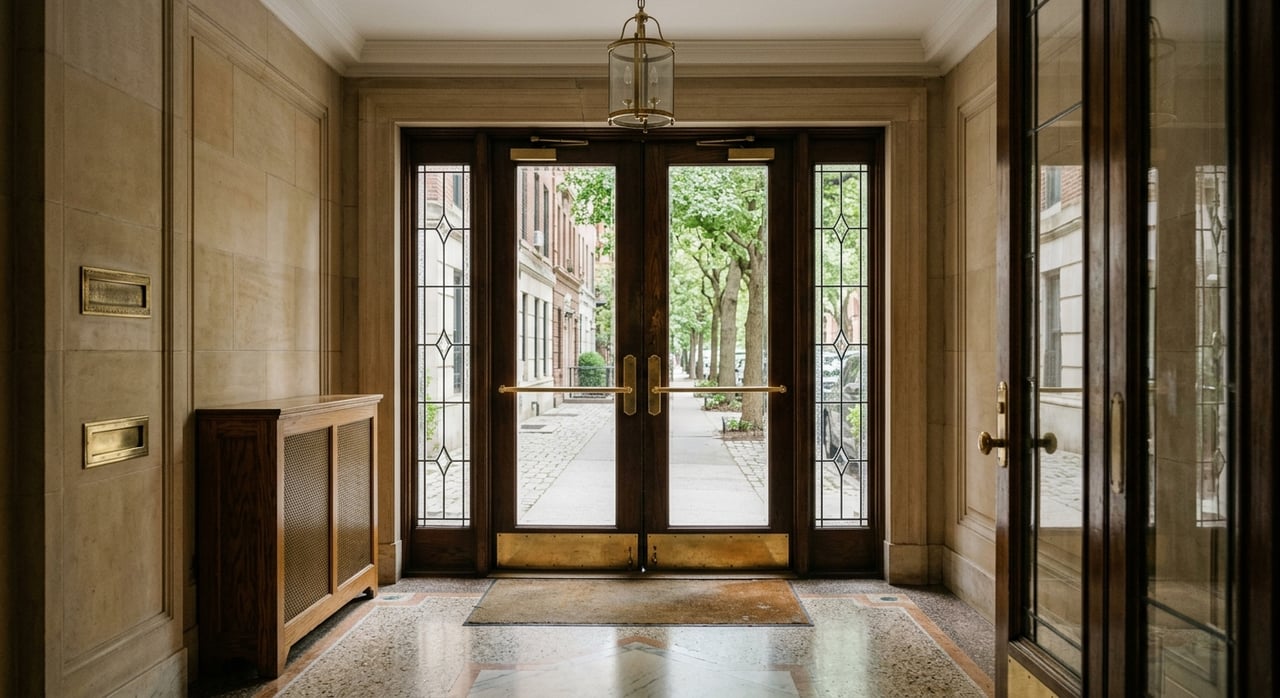
Lenox Hill often appeals to buyers who want classic Manhattan housing stock with a polished, established feel. City housing data shows that 75.4% of housing units in Lenox Hill-Roosevelt Island were built in 1939 or earlier. That gives the area a notably older housing base than Yorkville or Upper East Side-Carnegie Hill.
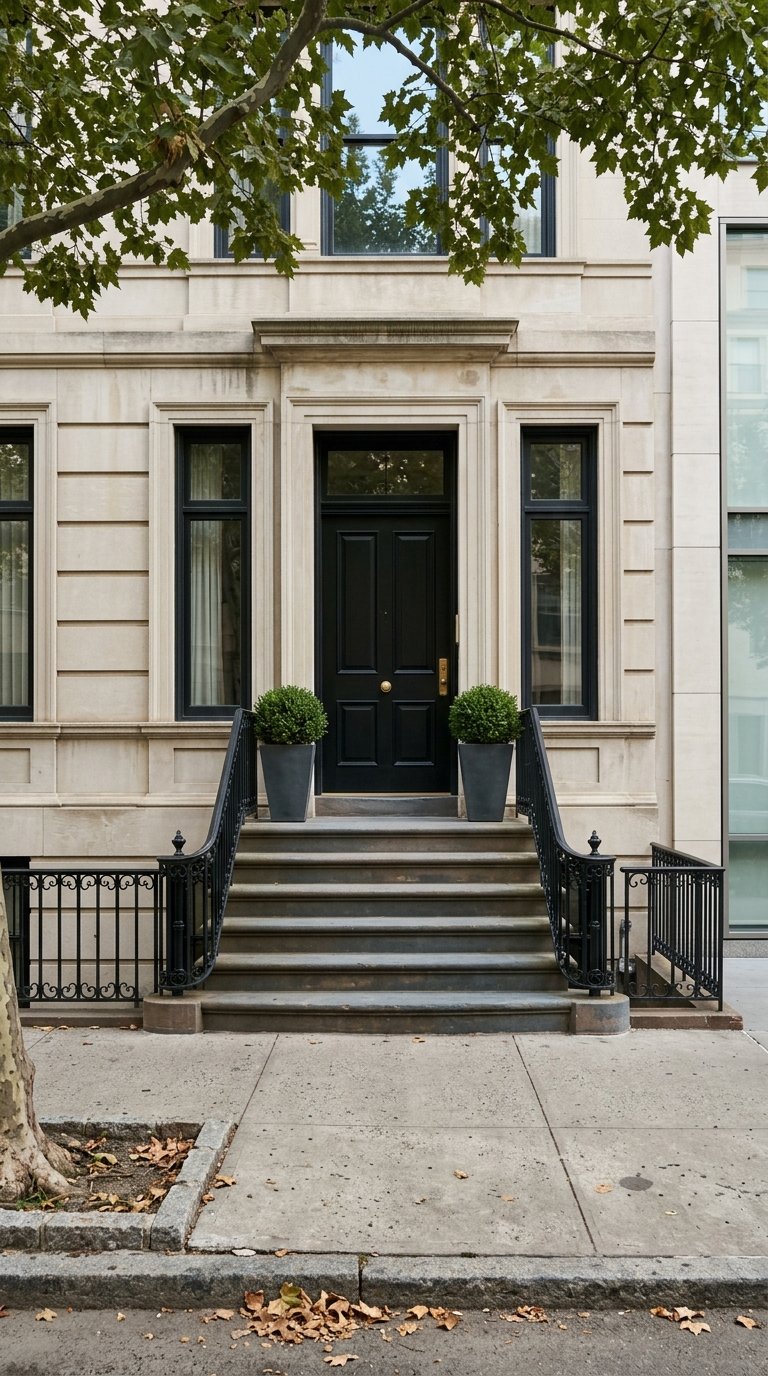
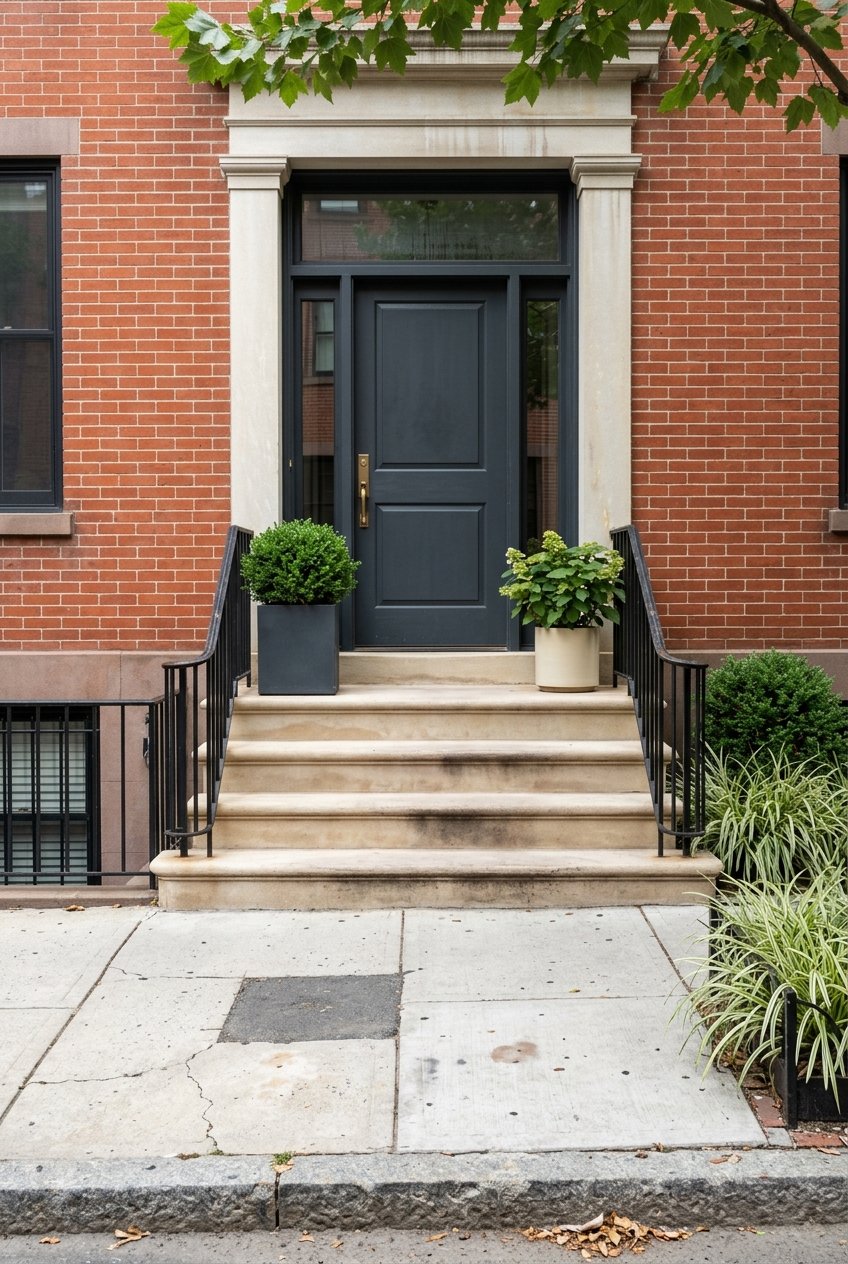
That older stock helps explain why Lenox Hill is often associated with prewar co-ops, elegant apartment buildings, and a more traditional Upper East Side streetscape. At the same time, the area is not only low-rise or only historic. The neighborhood also includes larger multifamily buildings, which gives buyers a mix of ownership styles and building formats.
If you widen your search to the full Upper East Side, you gain more variety. The broader neighborhood includes Lenox Hill, Yorkville, and Carnegie Hill, each with a somewhat different housing and lifestyle profile. For many buyers, that wider search creates more room to balance price, inventory, building age, and location.
The Upper East Side has also continued to evolve. From 2010 to 2024, the neighborhood added 3,500 housing units, according to the NYU Furman Center. That growth suggests the area is not frozen in time, even if many blocks still feel classic and established.
One of the clearest differences between Lenox Hill and the broader Upper East Side is market positioning. Current listing portal data points to Lenox Hill as the pricier and tighter submarket. Realtor.com reports a median listing price of $3.5 million in Lenox Hill compared with $1.75 million across the broader Upper East Side, while Redfin’s March 2026 closed-sale data shows a median sale price of $2.4 million in Lenox Hill versus $1.4 million for the broader Upper East Side.
These figures should be read directionally because different platforms use different boundaries and methodologies. Still, the takeaway is useful: if you focus only on Lenox Hill, you are often shopping in a more premium slice of the market. If you expand to the broader Upper East Side, you may see more options and more flexibility across price points.
There is also a notable difference in listing volume. Realtor.com reports 492 active listings in Lenox Hill versus 1,994 across the broader Upper East Side. For you, that can mean a narrower field in Lenox Hill and a wider range of tradeoffs when you search the full neighborhood.
A smart Upper East Side search starts with how you want to live each day. On the western side of the neighborhood, proximity to Central Park can shape your routine in a major way. Central Park spans 843 acres from 59th Street to 110th Street, so homes closer to Fifth Avenue often come with easier park access and a stronger connection to the park-and-museum side of the neighborhood.
That cultural identity matters to many buyers. The Met Fifth Avenue sits at 1000 Fifth Avenue at 82nd Street, and Museum Mile activity reinforces the landmark character of blocks near Fifth and Madison. If you want a home base that feels tied to major institutions and iconic avenues, this part of the Upper East Side may stand out.
Farther east, the experience shifts. Carl Schurz Park sits along the East River from East 84th to East 90th Streets and covers 14.94 acres. For some buyers, that side of the neighborhood offers a quieter waterfront-adjacent rhythm and a more tucked-in residential feel.
Lenox Hill also stands out for buyers who care about institutional access and commute efficiency. Lenox Hill Hospital is a 652-bed acute care hospital on the Upper East Side, with locations at 64th Street and 77th Street. NewYork-Presbyterian/Weill Cornell Medical Center is located at 525 East 68th Street, with Q train and M31 access noted by the institution.
If you work in healthcare, research, or an affiliated office setting, that concentration can be a meaningful advantage. A shorter daily commute may shape your home search just as much as square footage or finishes. For relocating professionals especially, this is one of the strongest reasons Lenox Hill can move to the top of the list.
The Upper East Side also benefits from a generally strong housing baseline by city standards. City neighborhood housing data indicates the area ranks lower than most neighborhoods for cracks, leaks, and the need for supplemental heat. The same source reports that air conditioning is relatively common at 96.3%.
That does not mean every building performs the same way. Building condition, maintenance, ownership structure, and renovation history still matter. But at the neighborhood level, the data supports the Upper East Side’s reputation as a well-maintained part of Manhattan’s housing market.
The broader Upper East Side shows real turnover, but it is still a market where timing matters. The NYU Furman Center reports a 7.4% rental vacancy rate in 2023, a median gross rent of $3,260, and a 37.6% homeownership rate. That mix points to a neighborhood with active movement between rentals and ownership, but not endless supply.
For buyers, this means you should be clear on your must-haves before the search begins. In a market with substantial inventory but meaningful competition for the right apartments, hesitation can cost you the best fit. This is especially true if you are targeting a certain building type, ownership structure, or micro-location.
Lenox Hill may be the better fit if your priorities include:
This profile lines up with the area’s older housing stock, premium pricing, and location advantages. If you are looking for a polished Manhattan address with strong institutional anchors, Lenox Hill often checks those boxes.
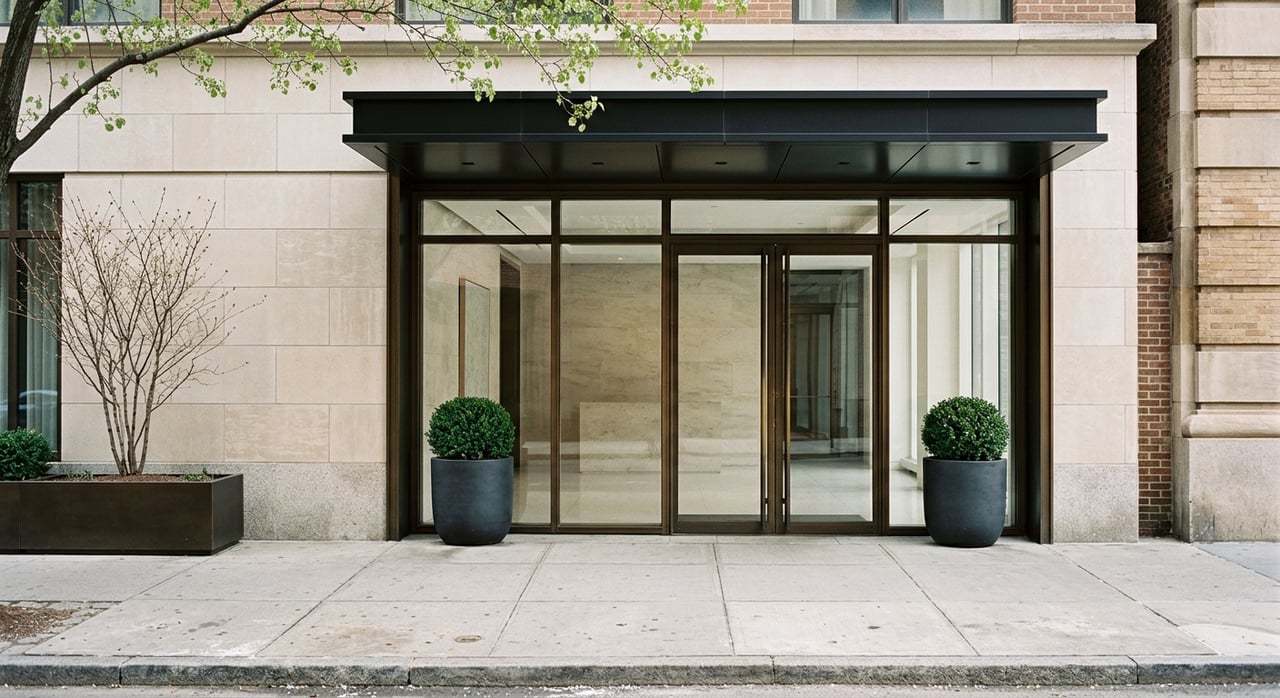
The broader Upper East Side may make more sense if you want flexibility and range. A wider search can give you the chance to compare Yorkville’s newer condo stock, Lenox Hill’s established buildings, and Carnegie Hill’s more historically defined streets. That can be especially useful if you are balancing budget with style, commute, and inventory.
You may also prefer the broader search if you do not need one very specific location. More inventory can create better odds of finding the right layout, building rules, and monthly carrying costs. In Manhattan, that flexibility can be just as valuable as location alone.
Instead of asking whether Lenox Hill is better than the Upper East Side, ask which version of the Upper East Side best matches your life. Do you want classic prewar character, immediate park access, proximity to major hospitals, or a quieter stretch farther east? Once you answer that question, the search becomes more focused and much more productive.
In this part of Manhattan, a few avenues can change your budget, your building options, and your daily routine. The right choice is usually not about labels. It is about matching your priorities to the blocks, buildings, and timing that serve you best.
If you are weighing Lenox Hill against the broader Upper East Side, working with a team that understands Manhattan micro-markets can make the process far more efficient. For a tailored strategy based on your goals, connect with The Anable Podell Team.
Stay up to date on the latest real estate trends.



Etiam non quam lacus suspendisse faucibus interdum. Orci ac auctor augue mauris augue neque. Bibendum at varius vel pharetra. Viverra orci sagittis eu volutpat.