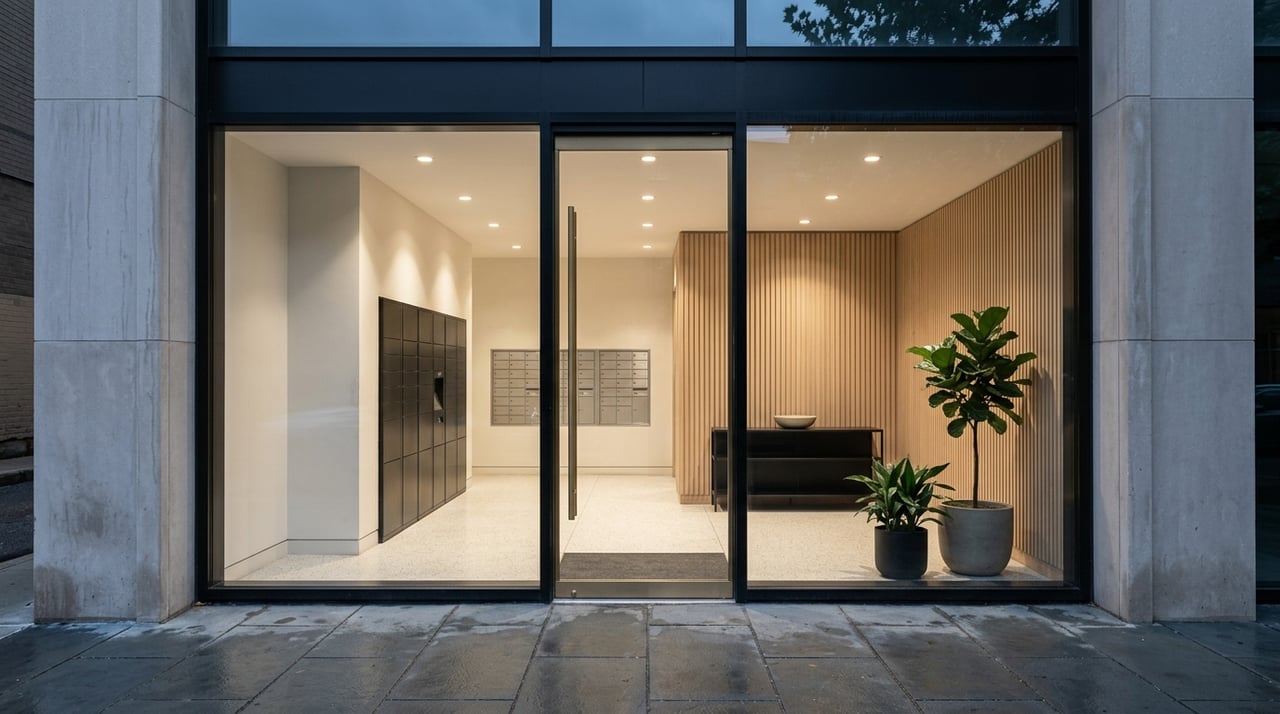
A Tribeca Condo Investment Guide for Long-Term Holds
July 2, 2026
July 2, 2026
Wondering whether Tribeca still makes sense as a long-term condo investment when entry prices are so high? It can, but this is not a market where broad assumptions or quick-flip logic usually hold up. If you are thinking about buying in Tribeca, the key is understanding how scarcity, building type, and hold period shape performance over time. Let’s dive in.
Tribeca remains one of Manhattan’s most premium condo markets, but it is also one of the most selective. Recent market snapshots show median sale prices around $3.4 million to $3.5 million, while median listing prices have been reported even higher, around $4.5 million. At the same time, transaction volume stays relatively low, which tells you this is a thinly traded market where each asset matters.
That matters for investors because Tribeca does not behave like a broad commodity market. Buyers and renters are often making decisions based on specific buildings, layouts, and lifestyle fit rather than simply choosing the lowest price per square foot. In a neighborhood like this, quality and rarity can matter just as much as timing.
Longer-term pricing trends also support a patient view. In the broader SoHo/TriBeCa condo corridor, Douglas Elliman and Miller Samuel reported that from 2016 to 2025, average sales price rose 13.9%, median sales price rose 5.5%, and average price per square foot rose 7.3%. That is not explosive appreciation, but it does suggest steady value support in a premium downtown corridor.
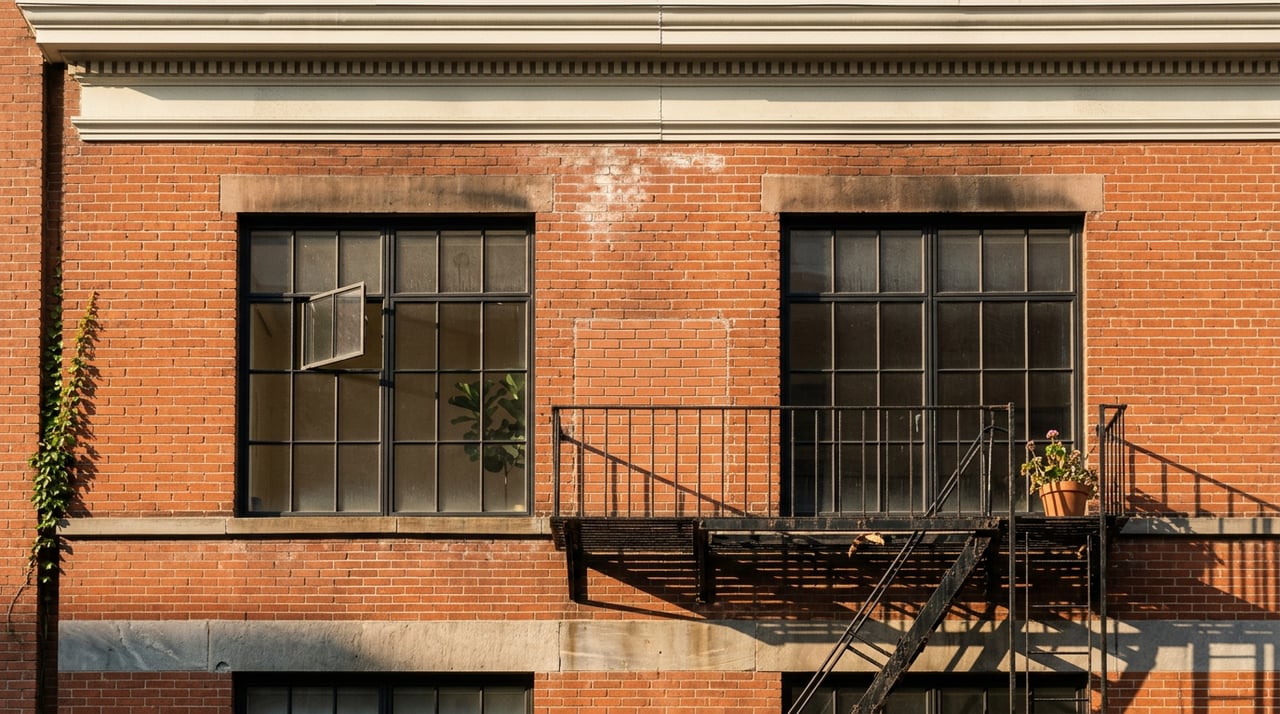
A big part of Tribeca’s appeal is that there is only so much of it to buy. The neighborhood is defined by former industrial buildings, loft conversions, and a smaller set of newer condo developments. That creates a market where supply is naturally limited and building identity plays an outsized role.
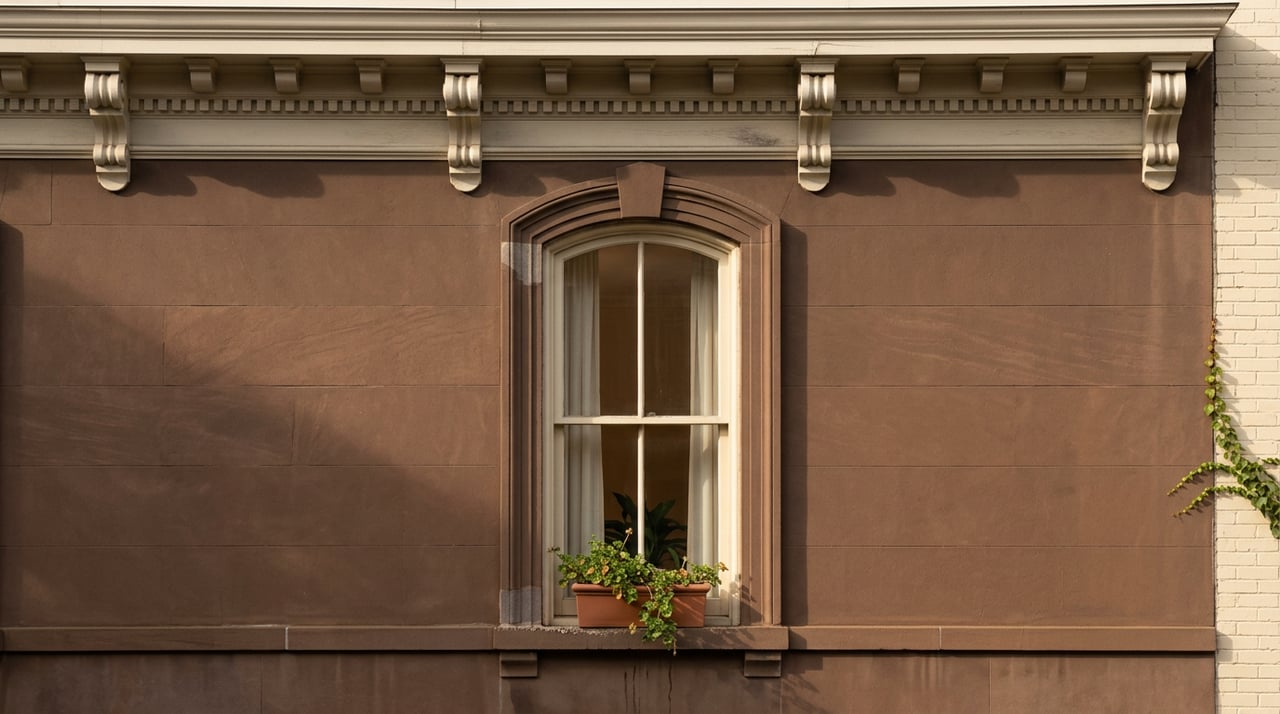
This is also a neighborhood with historic district oversight and zoning constraints that shape what can be changed. According to New York City Landmarks Preservation Commission maps, Tribeca includes four historic districts, and designated buildings generally require approval for exterior alterations, reconstruction, demolition, or new construction. The Special Tribeca Mixed Use District adds another layer of structure to how the area evolves.
For you as an investor, this means scarcity is not just a branding term. It is built into the neighborhood’s physical and regulatory framework. That can help preserve the appeal of well-located and well-executed condo assets over a longer hold period.
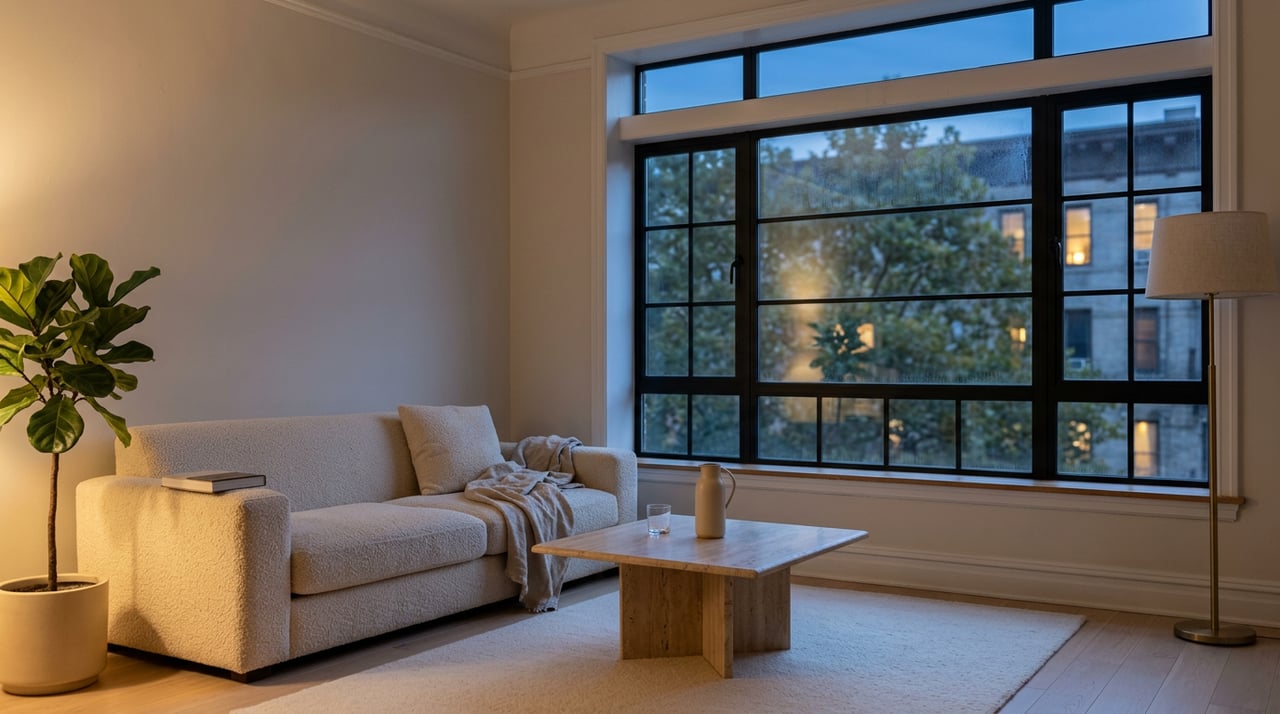
Not all Tribeca condos perform the same way. In this neighborhood, resale strength often comes down to whether a property offers something hard to replicate. That could mean true loft scale, strong natural light, high ceilings, authentic industrial details, or a strong amenity package in a full-service building.
StreetEasy and PropertyShark both point to loft living, renovated warehouses, and large footprints as major reasons Tribeca trades at a premium. In practical terms, that means square footage and character often carry real weight here. A generic luxury condo may still perform well, but it usually needs a compelling building story or service level to compete.
You can see that difference in current inventory types across the neighborhood. Buildings like 100 Barclay and 443 Greenwich reflect the appeal of landmark and warehouse conversions, while 70 Vestry represents the newer, service-driven, amenity-rich side of the market. Each can work for a long-term investor, but the buyer pool and future resale story are not identical.
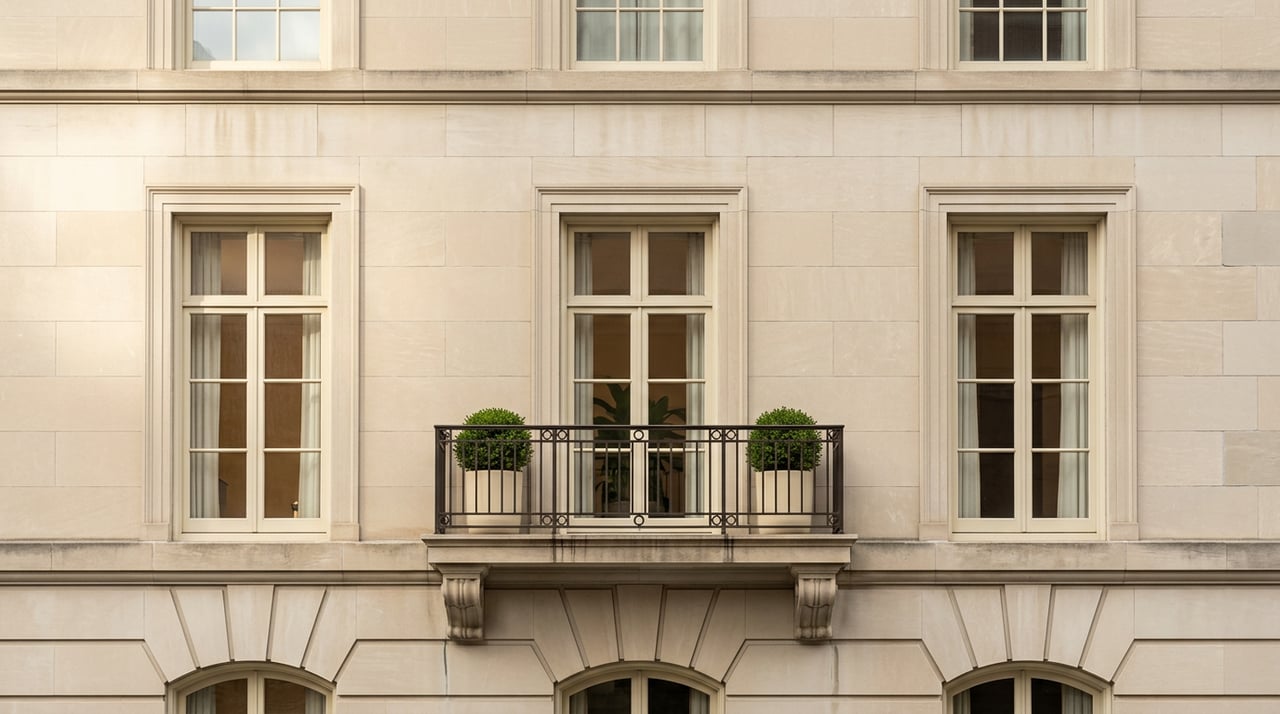
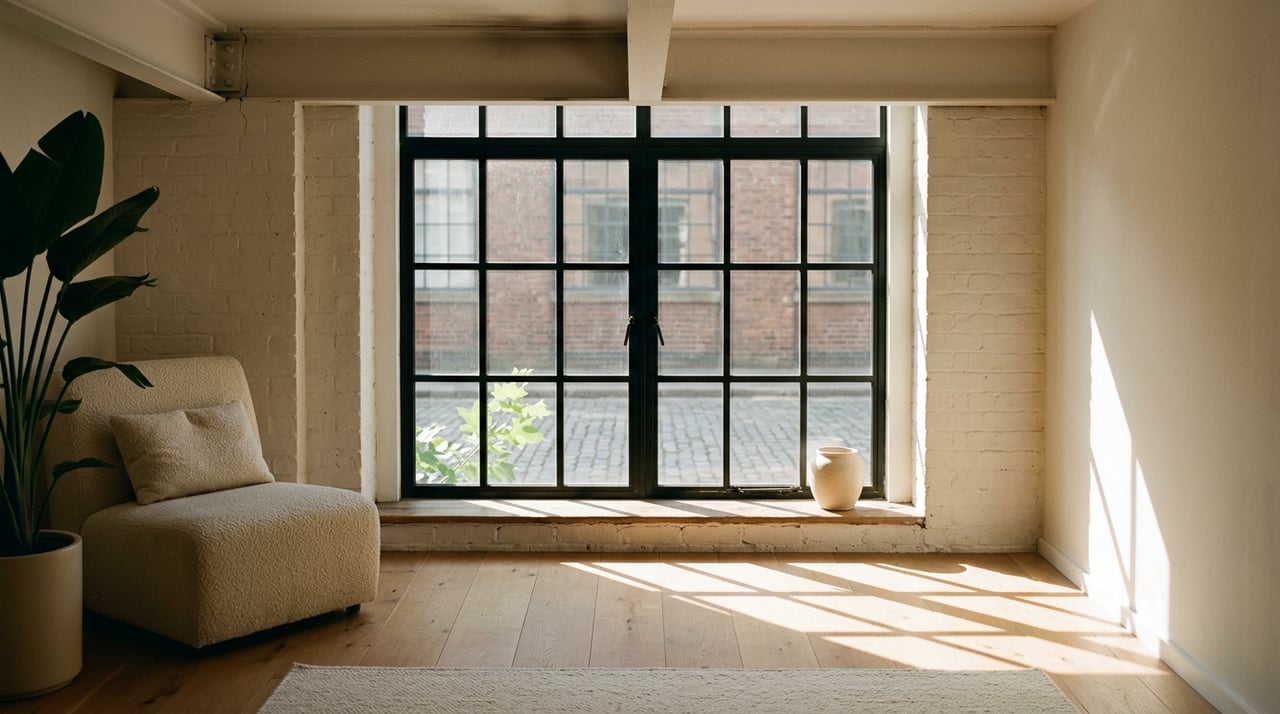
Loft conversions often win on scale, ceiling height, and authenticity. These homes can feel rare in a way that supports long-term demand, especially when the interior updates respect the original character. If you are buying with a long view, a well-executed loft can offer a differentiated resale profile.
Newer developments often compete on convenience and turnkey appeal. Full-service staffing, polished amenities, waterfront positioning in some cases, and modern systems can attract buyers and renters who want minimal friction. These units may appeal to a different segment, especially those prioritizing service, privacy, and ease.
If your long-term strategy includes leasing before a future sale, Tribeca offers meaningful rent levels. Recent rental snapshots place median rents in the low-to-mid $7,000 range, with StreetEasy showing a median base rent of $7,897 and Realtor.com showing $7,100. That is a useful baseline, though building, unit size, and finish level can move numbers significantly.
The most likely renter profile in Tribeca is not price-driven. Available market and demographic context points toward affluent, lifestyle-oriented households, including executive renters, relocating couples, and family households looking for space and a quieter downtown environment. Manhattan Community Board 1 data also shows population growth in the area from 2010 to 2020, which supports the neighborhood’s continued residential relevance.
That said, high rents alone should not be your only thesis. In Tribeca, rental success is often tied to whether the unit offers the kind of space, layout, storage, and building services that premium renters expect. The closer your condo aligns with that demand, the stronger your long-term flexibility tends to be.
Tribeca buyers and renters often expect more than the Manhattan average when it comes to amenities. Common features include doorman or concierge service, fitness centers, storage, bike rooms, roof terraces, and parking. In larger or newer luxury buildings, that can extend to pools, spas, lounges, screening rooms, playrooms, private dining rooms, music rooms, wine storage, and large outdoor spaces.
For a long-term investor, that has two implications. First, amenity depth can support demand, especially in the premium segment. Second, amenity comparisons need to be building-specific, because a condo with limited services may compete very differently from one with a full luxury package.
Tribeca is usually better suited to patient capital than short-term flipping. This market tends to move at a measured pace, with recent data showing median days on market in the low-to-high 50s and a sale-to-list ratio around 97%. Realtor.com also labeled the market as favoring buyers in its May 2026 snapshot, which reinforces the need for disciplined pricing.
Transaction costs are another reason longer holds often make more sense. New York City’s Real Property Transfer Tax applies to residential condo sales at 1% up to $500,000 and 1.425% above that threshold. New York State’s mansion tax adds 1% on residential conveyances of $1 million or more.
When you layer those costs onto already premium acquisition prices, the margin for a fast resale gets tighter. That does not mean value-add opportunities disappear. It means your underwriting should leave room for carry costs, realistic marketing time, and a resale strategy tied to actual buyer demand.
Because of Tribeca’s building stock and historic controls, the cleanest path to adding value is often inside the apartment. Layout optimization, updated systems, kitchen and bath modernization, and improved storage can all strengthen a condo’s market position. The goal is usually not to erase the loft character, but to make it more livable and more functional.
That approach fits the neighborhood well. The strongest resale story in Tribeca is often a home that preserves original scale and character while offering modern comfort. Buyers tend to respond to homes that feel both distinctive and easy to live in.
If you are evaluating renovation potential, focus on improvements that support everyday use and long-term appeal:
In Tribeca, the market often rewards homes that feel thoughtfully upgraded rather than overworked. That is especially true in conversions where authenticity remains part of the value proposition.
A strong Tribeca investment thesis usually starts with selectivity. Rather than chasing broad market momentum, you are often better served by asking whether the exact unit has a durable edge. That edge could come from scale, layout, light, amenities, building reputation, or a compelling blend of old and new.
It also helps to underwrite with modest assumptions. Given the neighborhood’s low transaction volume and premium pricing, exit values should be tied to realistic comparable positioning, not best-case hopes. In a market like Tribeca, protecting your downside often matters as much as maximizing your upside.
A simple framework can help:
Tribeca can be a compelling long-term condo market if your strategy matches the neighborhood. It is expensive, low-volume, and highly building-specific, which means broad averages only tell part of the story. The best opportunities are often condos with authentic character or standout service, paired with a patient hold and a disciplined plan.
If you are considering a Tribeca condo as part of a long-term investment strategy, local building-level analysis matters. The right unit can offer lasting appeal, but the wrong one can blend into a market that rewards distinction. For a private, data-informed conversation about Tribeca opportunities, connect with The Anable Podell Team.
Stay up to date on the latest real estate trends.
Etiam non quam lacus suspendisse faucibus interdum. Orci ac auctor augue mauris augue neque. Bibendum at varius vel pharetra. Viverra orci sagittis eu volutpat.