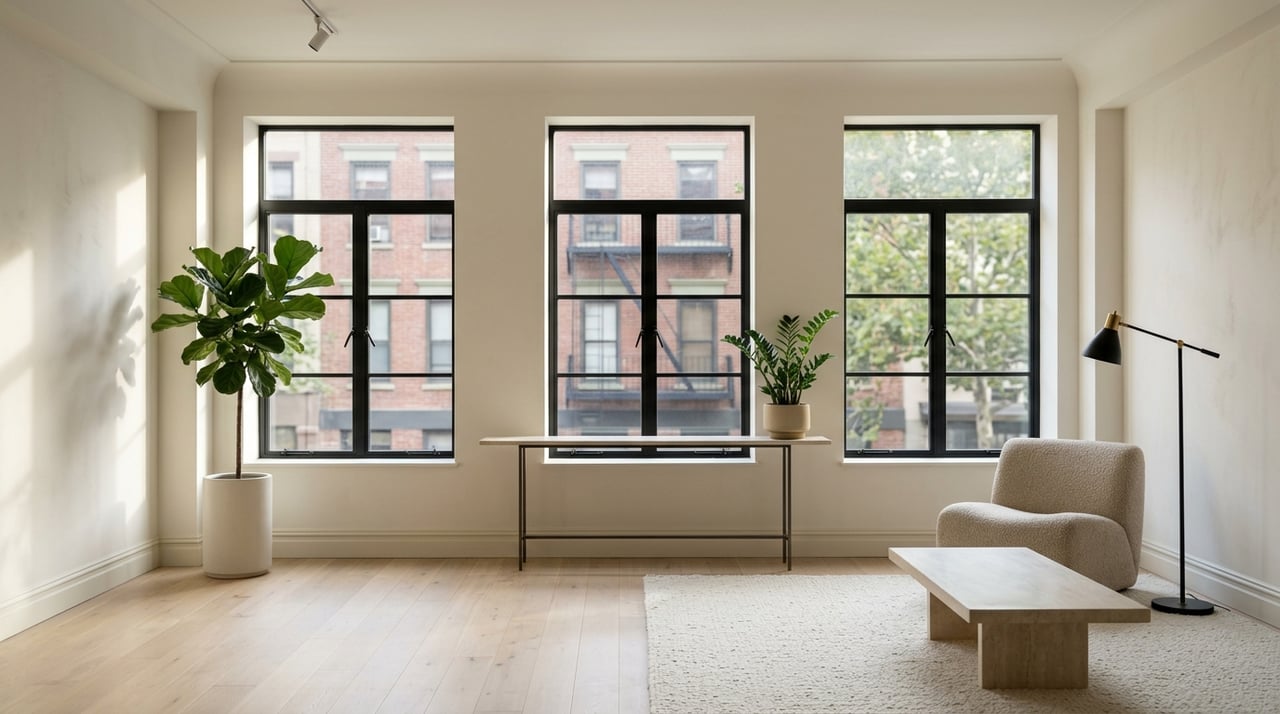
What to Know About Living Above SoHo Shops
June 11, 2026
June 11, 2026
If you picture SoHo as all cast-iron beauty and effortless downtown charm, you are only seeing half the story. Living above the shops here can be exciting, convenient, and deeply New York, but it also comes with street noise, delivery activity, and building-by-building complexity. If you are considering a SoHo loft, condo, co-op, or mixed-use building residence, this guide will help you understand what daily life really looks like and what to verify before you buy. Let’s dive in.
In SoHo, “living above the shops” is not a trend. It is part of the neighborhood’s DNA. The area grew from 19th-century store-and-loft buildings that housed commercial uses below and work or living space above, and that pattern still shapes the neighborhood today.
SoHo remains one of Manhattan’s clearest examples of mixed-use living. According to New York City Planning, mixed commercial and residential buildings account for 46% of built floor area in the study area, with another 42% in commercial buildings containing office, retail, and other commercial uses. In practical terms, that means you are often stepping out of your front door into a streetscape defined by boutiques, galleries, restaurants, and showrooms.
The neighborhood’s zoning also reflects this identity. The Special SoHo-NoHo Mixed Use District, adopted in 2021, was designed to reinforce the area’s longstanding mixed-use character while retaining commercial and manufacturing space. That framework helps explain why SoHo still feels distinctly different from a more purely residential Manhattan neighborhood.
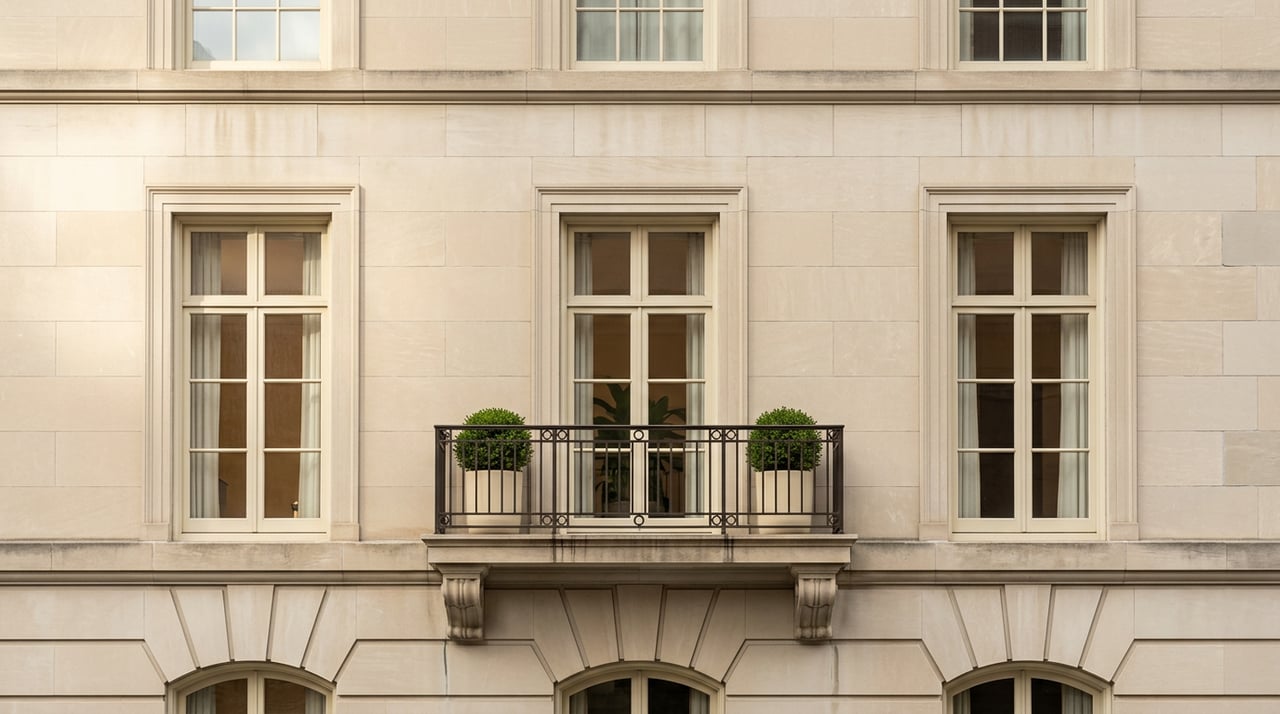
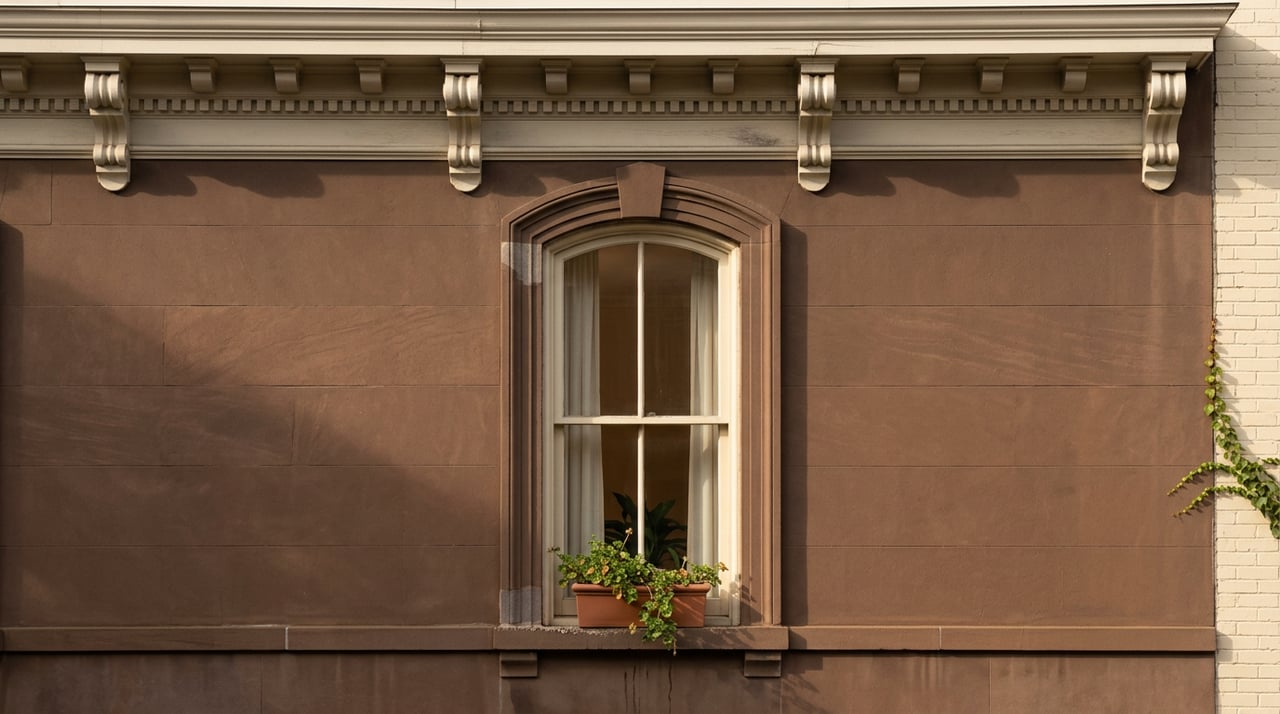
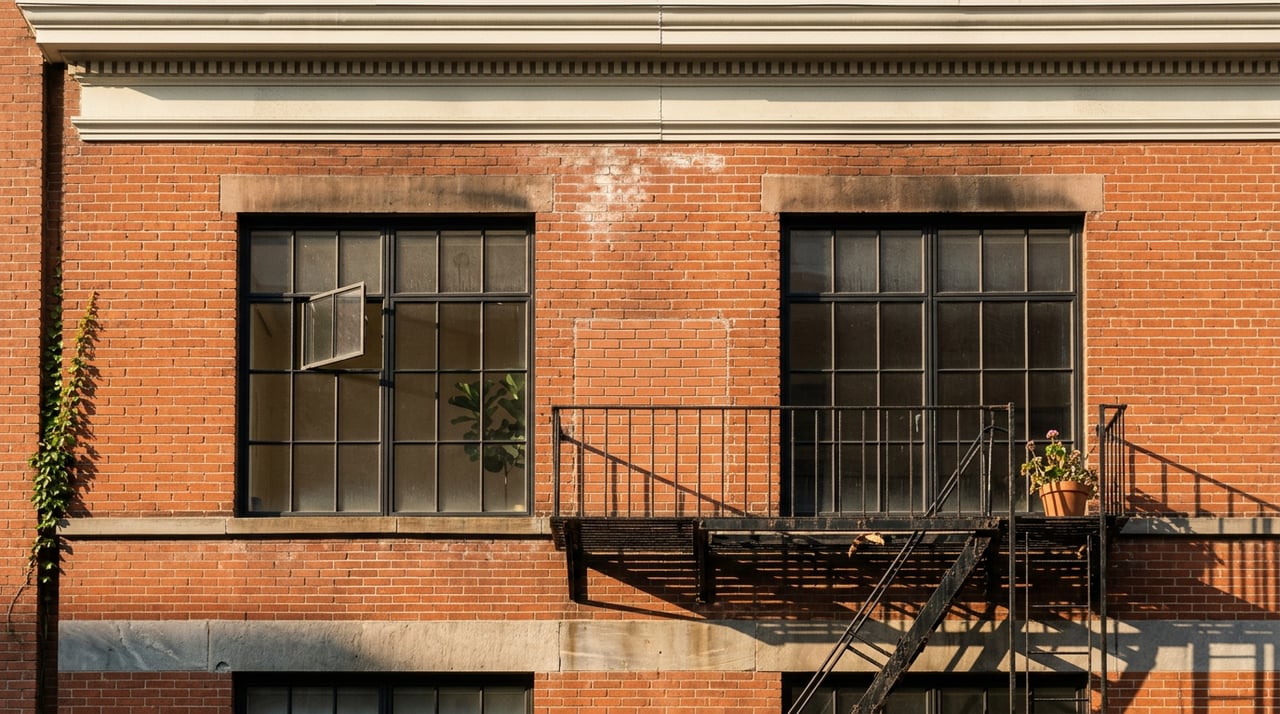
SoHo is defined by historic cast-iron loft buildings, older tenements, and newer construction woven into a highly active commercial setting. The Landmarks Preservation Commission has recognized the area for its cohesive streetscapes and iconic cast-iron architecture, which gives the neighborhood much of its visual appeal.
That character is a major reason buyers are drawn here. You are not just buying square footage. You are buying into a setting where architecture, retail energy, cultural history, and day-to-day walkability all combine into a specific downtown lifestyle.
For some buyers, that atmosphere is the point. SoHo offers a kind of immersive city living where the street becomes part of your everyday experience, from morning coffee runs to evening gallery visits and dinner plans a short walk away.
One of the most important distinctions in SoHo is not simply the building. It is the block. New York City Planning notes that Broadway, Canal Street, and Houston Street are marked by high pedestrian activity, shoppers, tourists, traffic, and the general bustle of urban life.
By contrast, some side streets can feel noticeably calmer and more gallery-oriented. That does not mean silent, but it can mean a different rhythm. If you are choosing between two homes at similar price points, the street itself may have a big impact on how the apartment lives day to day.
This is especially important if you work from home, value a quieter interior environment, or want a more private feel. In SoHo, a few blocks can change the experience considerably.
Residents in dense retail districts often live with a wider range of everyday activity than they would on a quieter residential block. In SoHo, that can include:
None of this is unusual for the neighborhood. It is part of the tradeoff that comes with living in one of Manhattan’s most active mixed-use districts.
Ground-floor retail is central to how SoHo functions, and that has a real effect on residents upstairs. More stores and commercial uses often mean more curb activity, more service vehicles, and more package movement around the building.
In the Special SoHo-NoHo Mixed Use District, certain larger retail uses may require a special permit, and if a building lacks accessory off-street loading berths, the application must include a delivery plan based on a traffic and curbside management study. For residents, that planning detail can translate into a very practical question: how busy does the building entrance or curb feel during the day?
This is one reason you want to evaluate a property in person at more than one time of day. A polished showing in the afternoon may not fully reveal what mornings, evenings, or weekends feel like outside the front door.
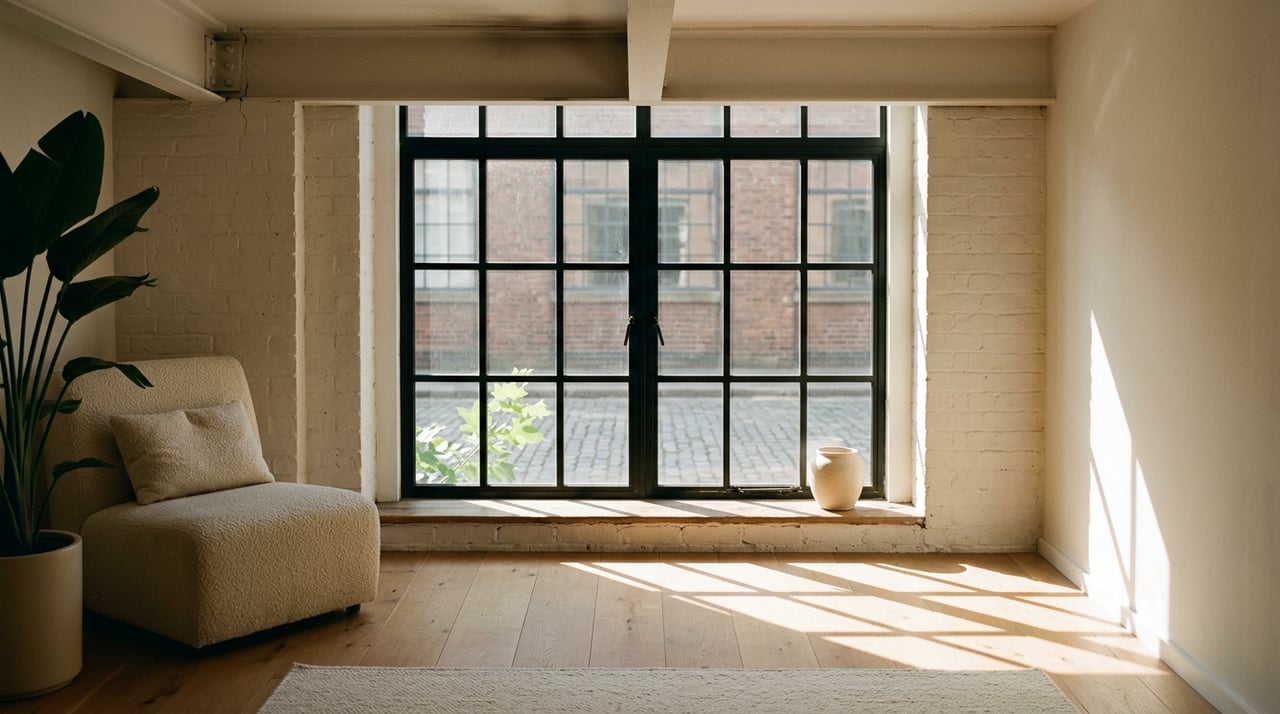
SoHo’s historic core is filled with five- to seven-story loft buildings, many only 20 to 30 feet wide, with storefronts at street level and residences above. That layout creates beautiful proportions and dramatic windows, but it can also change how privacy works inside the home.
In many cases, privacy depends less on the neighborhood overall and more on the specific unit. Floor height, window orientation, and interior design choices can all shape whether a home feels open and airy, tucked away, or more exposed to surrounding street life.
That makes touring carefully especially important. A second-floor apartment over a busy retail corridor may feel very different from a higher-floor unit on a side street, even within the same broader area of SoHo.
One of the biggest misconceptions about SoHo is that the housing stock offers a consistent ownership experience. It does not. The neighborhood includes historic cast-iron lofts, older conversions, and newer buildings, and services can vary meaningfully from one address to the next.
Before you buy, it is worth verifying the fundamentals building by building. In SoHo, buyers should pay close attention to:
These details can have a major effect on daily comfort. In a neighborhood where the exterior environment is already active, strong internal building operations can make a meaningful difference.
Legal use is particularly important in SoHo because the neighborhood includes a mix of legacy lofts, former commercial spaces, and residences shaped by changing rules over time. This is not a place where you want to make assumptions based on appearance alone.
The New York City Loft Board explains that interim multiple dwellings, or IMDs, are former commercial or manufacturing spaces converted into safe, rent-stabilized residences. Tenants in IMD units under Loft Board jurisdiction are entitled to housing maintenance services including heat, hot water, and electricity.
The Department of Buildings also states that buildings with IMD registration numbers may be occupied residentially without Department of Cultural Affairs artist certification. At the same time, the 2021 SoHo/NoHo zoning changes ended new JLWQA conversions after December 15, 2021, while allowing existing conforming uses to continue.
Some units may still fall under artist-work rules. The Department of Cultural Affairs says working-artist certification is required to qualify for joint living-working space in certain SoHo and NoHo manufacturing-zoned districts. For buyers, the takeaway is simple: verify the legal status of the specific unit and building, not just the marketing language.
With all of these moving parts, why do buyers still seek out SoHo homes above shops and commercial space? Because for the right buyer, the upside is powerful. SoHo offers a rare combination of architectural character, cultural energy, walkability, and transit access.
New York City Planning describes the neighborhood as known for its cultural offerings, world-class shopping, and trendsetting cachet. The area is also served by nine subway stations or station complexes, which makes it unusually transit-rich for a neighborhood with this much street activity.
That means your daily routine can become remarkably efficient. Dining, shopping, galleries, errands, and multiple transit options are often just minutes away on foot.
At its core, living above the shops in SoHo comes down to a simple exchange. You gain immediacy, energy, and a highly connected urban lifestyle. In return, you accept more noise, more foot traffic, and more operational complexity than you would on a quieter residential block.
For many buyers, that equation works beautifully. The key is knowing yourself, understanding the building, and choosing the right block and unit for how you actually live.
If you are seriously considering a SoHo residence above retail or in a mixed-use building, go beyond finishes and staging. A smart evaluation should include both the home itself and the life around it.
Here is a practical checklist to guide your due diligence:
In SoHo, these details are not secondary. They are part of the property.
The best SoHo purchases tend to happen when lifestyle fit and property fundamentals align. A beautiful loft on a famous block may be exactly right for one buyer and completely wrong for another.
That is why local knowledge matters. Understanding how one street compares to another, how one building operates versus the next, and how legal status affects long-term usability can help you buy with much more confidence.
If you are exploring SoHo and want clear, strategic guidance on which buildings and blocks best match your goals, The Anable Podell Team can help you evaluate the details that matter most.
Stay up to date on the latest real estate trends.

Etiam non quam lacus suspendisse faucibus interdum. Orci ac auctor augue mauris augue neque. Bibendum at varius vel pharetra. Viverra orci sagittis eu volutpat.