
Positioning Your Soho Loft For A Premium Sale
May 7, 2026
May 7, 2026
If you own a SoHo loft, you already know it is not just another Manhattan apartment. Buyers in this market are paying for rarity, scale, and history, and in a balanced market, those qualities need to be presented with precision. If you want to command a premium sale, the right strategy can help you turn authentic loft character into stronger pricing, better buyer interest, and a cleaner path to contract. Let’s dive in.
SoHo is a high-price, low-turnover market. Current neighborhood data shows a median sale price of $3.4 million and 55 days on market, which reflects both the value of the housing stock and the fact that inventory does not trade constantly.
That matters because scarcity alone does not guarantee a top result. Broader Manhattan data points to a balanced market, with a median of 64 days on market borough-wide, while the top third of listings by asking price saw an 11.8% year-over-year increase in new contracts. In other words, premium homes can still perform well, but only when they are priced and positioned carefully.
SoHo also has a distinct physical identity. The neighborhood is known for former textile-factory buildings and open floor plans, so buyers are often drawn to features that feel difficult to replicate elsewhere in Manhattan.
In a SoHo loft, buyers are not only evaluating finishes. They are also reacting to volume, light, ceiling height, window exposure, and how the space flows from one area to the next.
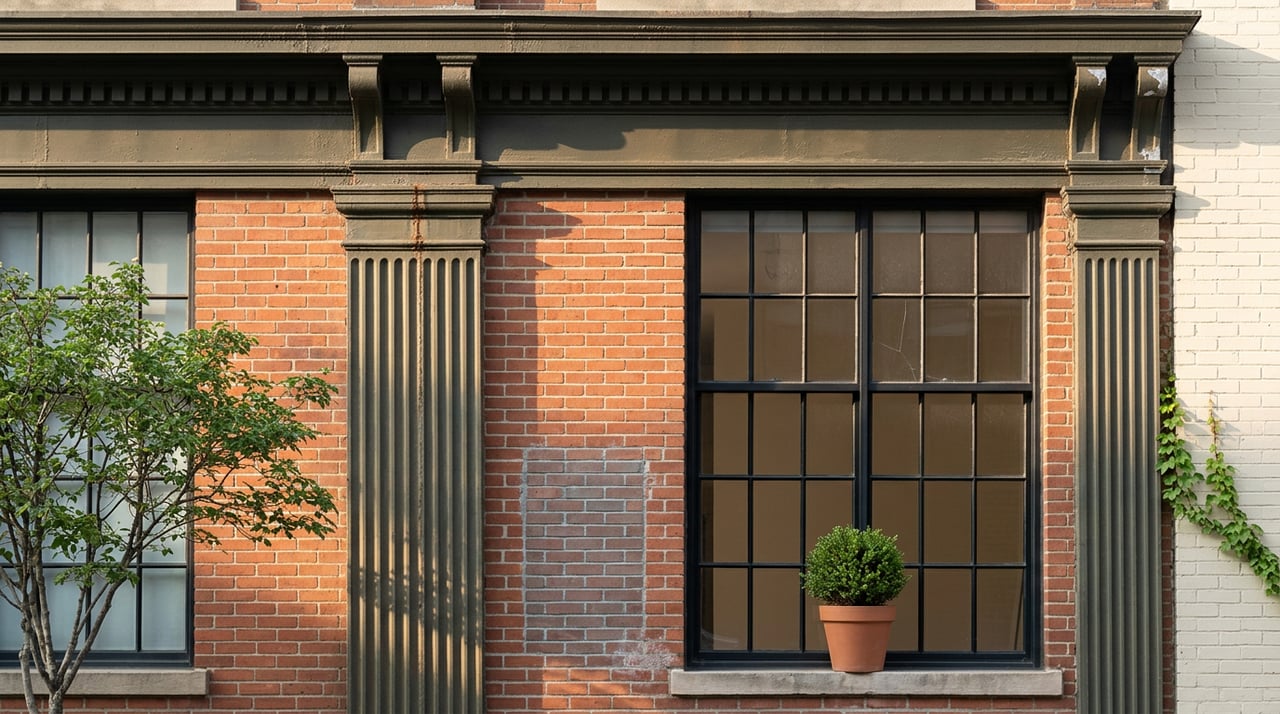
That is part of why authentic architectural detail matters so much here. The SoHo-Cast Iron Historic District, designated in 1973, contains the largest concentration of full and partial cast-iron facades in the world, according to New York City Planning. For sellers, that reinforces a simple truth: original character is not background detail. It is part of the product.
When buyers walk into a loft, they want to feel the scale immediately. Exposed columns, oversized windows, old-growth proportions, and the relationship between open spaces can shape value just as much as marble slabs or new appliances.
A premium sale starts with identifying what is truly distinctive about your loft. That might be dramatic ceiling height, exceptional natural light, cast-iron detailing, a grand entertaining area, or a layout that feels both open and usable.
The goal is not to describe the property in broad lifestyle language. The goal is to show buyers exactly why this loft stands apart from newer downtown inventory or more conventional condo layouts.
Staging can support pricing and speed when it is done well. In the National Association of Realtors' 2025 staging survey, 83% of buyers' agents said staging helps buyers visualize a future home, 29% of agents reported a 1% to 10% increase in value offered, and 49% of sellers' agents said staged homes sold faster.
For a SoHo loft, staging should solve a specific challenge. You need to preserve the openness that buyers want while also defining how the space functions.
The same staging survey found the most commonly staged spaces were the living room, primary bedroom, dining room, and kitchen. Those are also the rooms that typically anchor a loft buyer’s first impression.
In practice, that means each zone should feel intentional. A seating area should establish conversation and scale. A dining area should clarify entertaining potential. A primary bedroom should feel calm and private, even in an open-format home.
In lofts, undersized furniture can make a room feel awkward rather than expansive. On the other hand, too many pieces can break up sightlines and make the apartment feel busy.
The strongest staging plans use enough furniture to define zones, but not so much that they interrupt the sense of volume. You want buyers to understand how they would live in the space while still feeling the architectural drama.
Clutter is especially costly in a loft because open plans expose everything at once. If a buyer can see too many small objects, mismatched furnishings, or overly personal decor, the eye stops reading the apartment as a premium property.
Before photography and showings, simplify surfaces, reduce excess furniture, and keep the palette restrained. In a home where proportion is the luxury, editing is part of the marketing.
Online presentation has a direct impact on results. StreetEasy has reported that the most-viewed 20% of New York City listings sold for a median of 100% of their last asking price, while the least-viewed 20% sold for 96.7%.
That gap matters for any seller, but especially for a SoHo loft competing for high-intent buyers. If your listing does not stop buyers online, you may never get the chance to make the right in-person impression.
According to a 2026 National Association of Realtors article, 81% of buyers consider listing photos the most important factor when evaluating properties. For a loft, those photos need to do more than look polished. They need to communicate room depth, ceiling height, window scale, and the connection between major spaces.
That means image choices should favor accuracy over gimmicks. Wide shots can help, but overly distorted images can make a loft feel misleading rather than impressive.
A premium buyer expects the home they visit to match the home they saw online. If photography exaggerates dimensions or edits away meaningful visual cues, the listing can lose credibility.
In SoHo, where value is often tied to volume and character, honest visuals are part of premium positioning. The goal is to build anticipation, not skepticism.
If virtual staging is used, transparency matters. The National Association of Realtors notes that virtual staging and other image edits should be clearly disclosed so buyers are not misled.
This is especially important in a market where sophisticated buyers often compare multiple properties quickly. Clear labeling protects trust and helps keep the listing presentation credible.
One of the biggest pricing mistakes in SoHo is assuming rarity will do all the work. Scarcity helps, but buyers still compare condition, architecture, layout, carrying costs, and presentation across the downtown luxury market.
Current Manhattan conditions suggest a market that is active but not overheated. That makes precision more important than optimism.
If you want to push for a premium number, your loft needs a visible reason for that premium. That can come from exceptional scale, rare authenticity, superior light, strong presentation, or a combination of all four.
Without that proof, an aspirational price can cost you momentum. And in an online-first market, early momentum matters because visibility often shapes ultimate pricing performance.
A well-prepared listing often performs better in the first wave of exposure, when buyer attention is highest. If the loft launches with strong staging, strong visuals, and a disciplined asking price, you are more likely to generate the kind of engagement that supports negotiation leverage.
If it launches with mixed presentation or an unsupported price, buyers may hesitate, wait, or expect future reductions. In a premium category, perception can become reality very quickly.
In SoHo, premium marketing also requires precision on the legal side. This is not the place for vague descriptions, assumptions about permitted work, or unclear statements about use.
That is especially true because SoHo sits within a historic district and includes buildings with unique regulatory considerations.
The Landmarks Preservation Commission says that most exterior changes to buildings in historic districts require review. Owners also need permits before doing work that affects the exterior, and in some cases the interior, of a designated landmark property.
If you are considering pre-sale improvements involving windows, facades, storefront elements, or other visible changes, check the approval path before committing to cost or timing. A smart improvement can support value, but only if it is actually permitted.
Use language around live-work lofts carefully. New York City guidance states that working-artist certification is required to qualify for joint living-working space in certain former manufacturing districts, and the 2021 SoHo/NoHo Neighborhood Plan created a Special SoHo-NoHo Mixed Use District with a voluntary path for some existing conforming joint living-working quarters for artists uses to convert to residential use.
City guidance also says existing JLWQA occupancy can continue subject to the same restrictions, while new JLWQA conversions after December 15, 2021 are prohibited. For sellers, the takeaway is simple: market the unit based on its exact legal status, not shorthand or assumption.
New York’s Property Condition Disclosure Act requires disclosure statements before a buyer signs a binding contract for residential real property, but the statute excludes condominium units and cooperative apartments from that definition. In a SoHo market with many condos and co-ops, unit type matters.
That is one more reason the listing and deal process should reflect exact property structure and accurate disclosure language. Precision protects both saleability and trust.
The best SoHo loft sales rarely happen by accident. They are the result of disciplined preparation, architecture-led storytelling, accurate legal positioning, and visuals that make buyers stop scrolling and start booking.
If you are preparing to sell, your loft deserves more than generic luxury marketing. With the right strategy, you can present its scale, history, and rarity in a way that supports stronger demand and a more confident negotiation process.
If you’re considering your next move in SoHo, The Anable Podell Team can help you position your loft for a premium result with a private, data-informed valuation and a tailored marketing plan.
Stay up to date on the latest real estate trends.






Etiam non quam lacus suspendisse faucibus interdum. Orci ac auctor augue mauris augue neque. Bibendum at varius vel pharetra. Viverra orci sagittis eu volutpat.