Lenox Hill Central Park Living in Manhattan
June 25, 2026
June 25, 2026
What does it actually feel like to live on Lenox Hill near Central Park? If you are considering a move, a purchase, or a sale in this part of Manhattan, that question matters just as much as square footage or finishes. The appeal here is not just about a famous address. It is about daily access to the park, a walkable routine, and a neighborhood texture that blends classic Upper East Side living with some of the city’s best-known cultural institutions. Let’s dive in.
Lenox Hill is best understood as a flexible Upper East Side subarea rather than a hard-edged neighborhood with one fixed border. In practical terms, if you are focused on life near Central Park, the western side of Lenox Hill is the clearest lens because those blocks connect most directly to the park and the museum corridor.
That closeness shapes how the neighborhood feels day to day. Central Park stretches 843 acres from 59th Street to 110th Street, and its eastern edge becomes part of your routine when you live nearby. For many residents, the park is not a weekend destination. It is part of the rhythm of the week.
One of the biggest lifestyle advantages here is how many park access points sit close by. Depending on your block, you may find yourself using Grand Army Plaza at East 60th Street, the East 61st Street and Fifth Avenue access area, Conservatory Water at East 75th Street, Kerbs Boathouse at East 74th Street, or the Reservoir between 86th and 96th Streets.
That variety gives the neighborhood a different kind of convenience. You are not limited to one entrance or one type of outing. A short walk can lead to a quick loop, a quiet bench, a café stop, or a longer run.
Conservatory Water offers a calmer setting where visitors launch model sailboats and sit along the benches. Kerbs Boathouse adds another layer of everyday use with model-boat storage and a café. The Reservoir is one of the park’s most popular running destinations, which makes it a regular draw for residents who want an outdoor fitness routine without leaving the neighborhood.
This is part of what makes Lenox Hill near Central Park feel so livable. The park supports small habits, not just big plans. Morning walks, afternoon resets, and evening loops can become built into your schedule.
The broader Upper East Side already supports a walk-and-transit-oriented lifestyle. In 2024, 90.3% of commuters in the area used car-free modes, and the mean travel time to work was 30.1 minutes. Those numbers reflect a neighborhood where many daily needs and destinations are close at hand.
For you, that often means less dependence on a car and more freedom to move through the neighborhood on foot. It also helps explain the pace of the area. Lenox Hill near the park often feels active and connected without needing to feel rushed.
Daily errands and neighborhood dining tend to cluster along the major avenues. In the Upper East Side, corridors like Lexington Avenue and Second Avenue commonly include grocery stores, dry cleaners, drug stores, restaurants, and local clothing stores.
That matters because park-adjacent living here is not isolated or overly formal. Even if your building sits closer to Fifth Avenue and the park edge, routine needs remain accessible along the avenue corridors. You get the scenic side of the neighborhood and the practical side too.
Madison Avenue adds another dimension to the Lenox Hill experience. The Madison Avenue BID lists 757 ground-floor retail businesses across 164 block faces in the Upper East Side, which speaks to the scale and density of nearby shopping and street-level activity.
For residents, that creates a polished but useful retail environment. The experience is not only about destination shopping. It also contributes to the neighborhood’s day-to-day energy, storefront variety, and the sense that there is always something close by.
Living near Central Park on Lenox Hill also places you close to a major cultural corridor. This is one of the clearest distinctions between park-facing blocks and those farther east. The western side is more directly shaped by museums and institutions along Fifth Avenue and nearby cross streets.
The Frick Collection, at 1 East 70th Street, reopened on April 17, 2025. It also opened its first café, Westmoreland, on June 6, 2025. Nearby, Asia Society Museum sits at 725 Park Avenue at 70th Street, and The Met Fifth Avenue is at 1000 Fifth Avenue on 82nd Street.
These institutions are not separate from the lifestyle. They become part of what makes a quick walk feel rewarding. You can move from a residential block to a major museum visit, a park stroll, or a café stop without needing to plan a full day around it.
Farther north, 92NY at 1395 Lexington Avenue between 91st and 92nd Streets remains part of the wider Upper East Side routine. Together, these destinations help make the neighborhood feel layered, established, and consistently engaging.
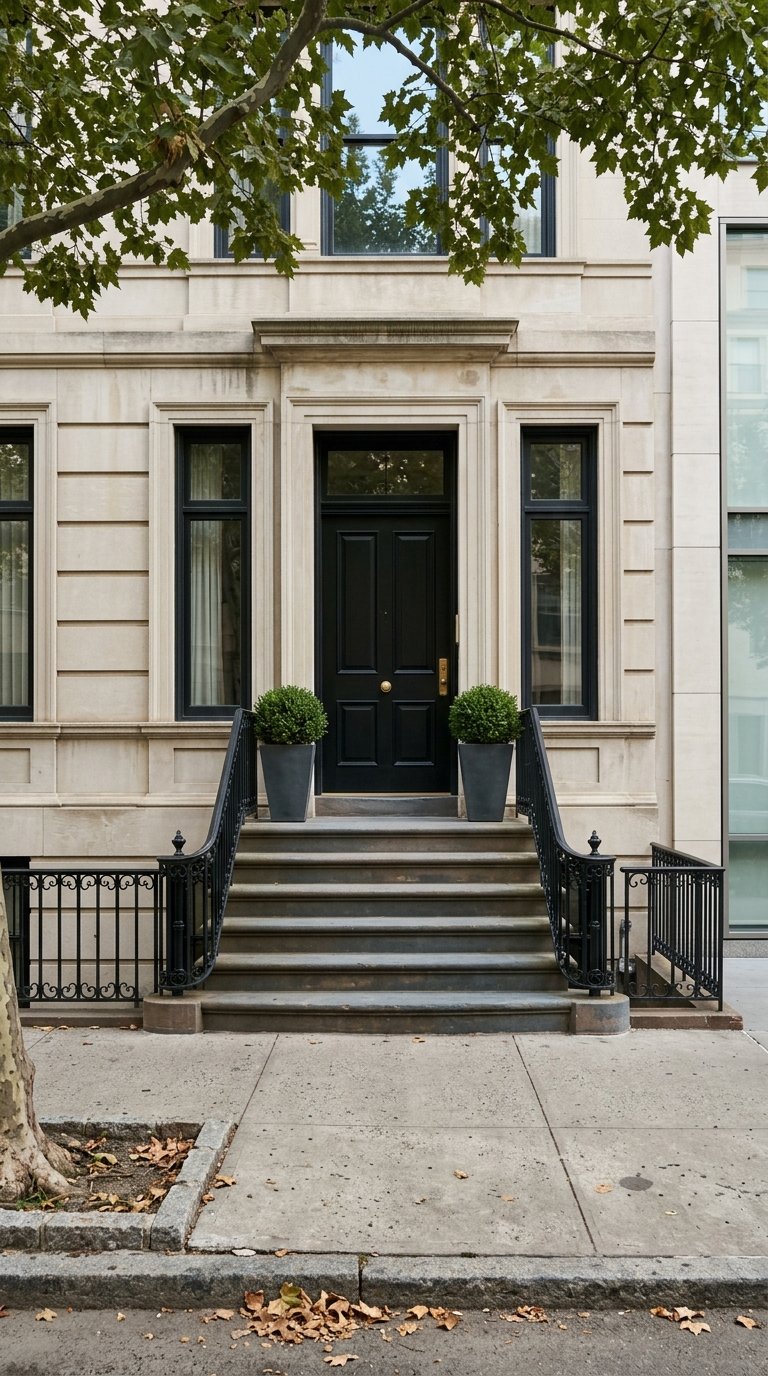
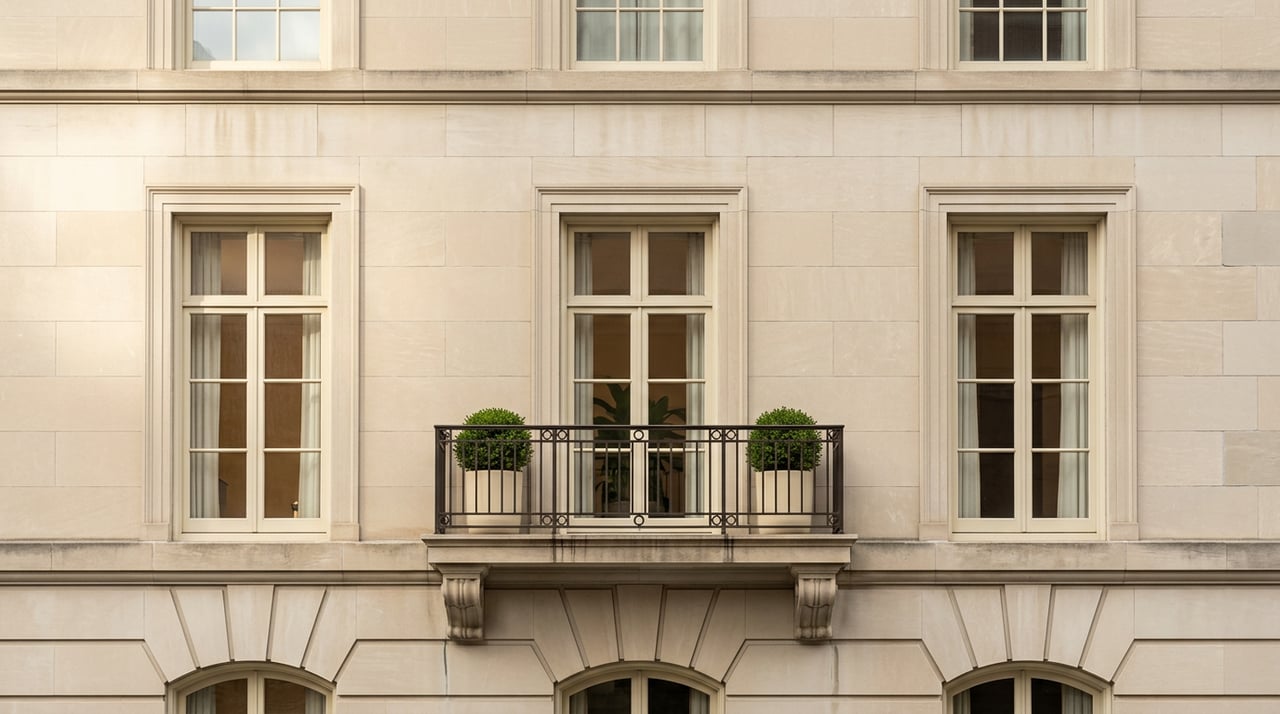
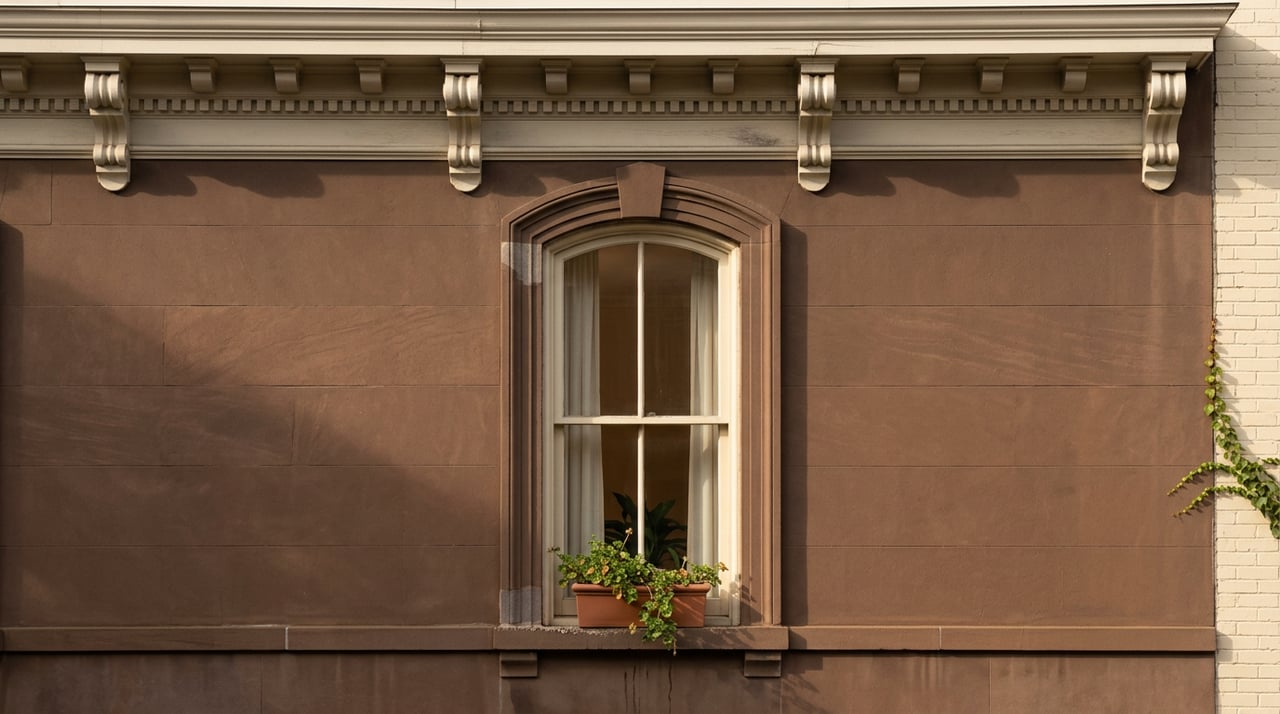
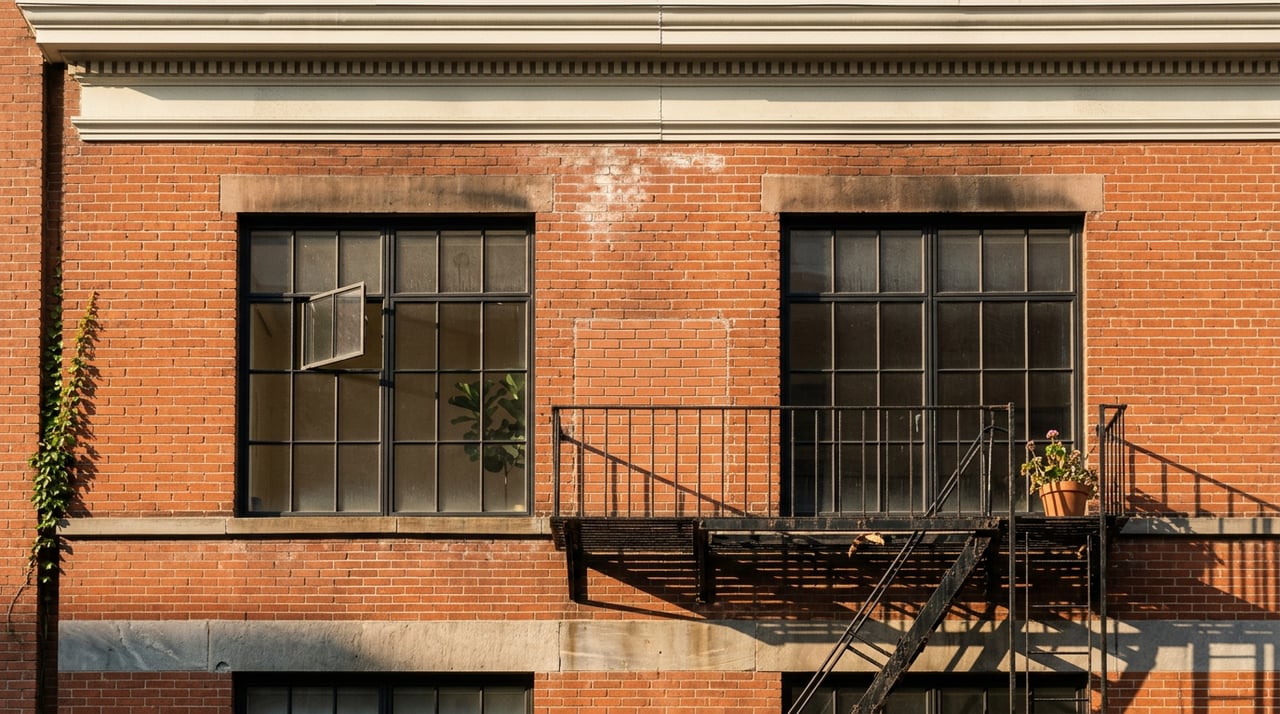
The housing stock in and around Lenox Hill near Central Park is mixed rather than uniform. NYC Planning maps show a range of residential districts in the broader area, and local streetscape descriptions point to a blend of converted rowhouses, apartment buildings, hotels, and commercial structures. Preservation reporting also describes the area around Central Park as having town houses and luxury apartment buildings.
For you, that means the streetscape can change meaningfully from block to block. One stretch may feel defined by classic townhouse rhythm, while another may be anchored by larger apartment buildings and active retail edges. That variation is part of the appeal.
A useful way to think about the area is this: park-adjacent Lenox Hill is more directly tied to Central Park and the museum corridor, while blocks farther east are more strongly shaped by residential buildings and avenue retail. Neither version is better. They simply offer different expressions of Upper East Side living.
If your priority is immediate park access and proximity to cultural landmarks, the western side will likely stand out. If you value a more avenue-centered routine, the deeper eastward blocks may feel more aligned with how you want to live.
Lenox Hill and the broader Upper East Side carry a strong sense of history, but the housing market here is not static. From 2010 to 2025, the Upper East Side added 4,025 housing units, including 620 income-restricted units.
That growth is a reminder that this is a living Manhattan neighborhood, not a preserved backdrop. Buildings, inventory, and buyer priorities continue to evolve. For buyers and sellers alike, that creates an environment where local positioning still matters.
What makes this area distinct is the combination of access, atmosphere, and consistency. You are close to one of the city’s defining open spaces, surrounded by established cultural institutions, and supported by practical avenue retail that keeps daily life efficient.
In Manhattan, that mix is hard to replicate. Lenox Hill near Central Park offers a version of city living where scenic surroundings and real-world convenience exist side by side. For many buyers, that balance is exactly the point.
If you are thinking about buying, selling, renting, or evaluating a property in this part of Manhattan, local context can make a real difference. The Anable Podell Team brings a consultative, high-touch approach backed by deep Manhattan market insight to help you navigate the next move with clarity.
Stay up to date on the latest real estate trends.
Etiam non quam lacus suspendisse faucibus interdum. Orci ac auctor augue mauris augue neque. Bibendum at varius vel pharetra. Viverra orci sagittis eu volutpat.