Is West Village Car-Free Living Right for Your Lifestyle?
May 28, 2026
May 28, 2026
If you’re wondering whether you can truly live without a car in the West Village, the short answer is yes. This is one of the rare Manhattan neighborhoods where daily life can feel easier on foot, by train, by bus, or by bike than it would behind the wheel. If you’re thinking about buying or renting here, understanding how that car-free lifestyle works can help you decide whether the neighborhood fits the way you actually want to live. Let’s dive in.
West Village stands out because its transportation options overlap in a way that gives you real flexibility. Walk Score rates the neighborhood a 100, which reflects just how easy it is to handle everyday life without relying on a car.
That convenience shows up in the basics. You can move through the neighborhood on foot, use multiple subway lines for longer trips, tap into PATH for New Jersey access, and use the waterfront greenway for biking and recreation. In practice, that layered access is what makes a car-free lifestyle feel realistic rather than aspirational.
One of the biggest advantages of living in the West Village is how many rail options sit nearby. Christopher St-Sheridan Sq gives you access to the 1, West 4 St-Washington Sq connects you to the A, B, C, D, E, F, and M, and 14 St/8 Av adds the A, C, E, and L.
That kind of coverage matters because it gives you choices. If one route is less convenient for your destination, there is often another station or line nearby that gets you where you need to go without much extra effort.
For anyone who commutes to or visits New Jersey regularly, PATH is a meaningful plus. Christopher Street Station offers a direct New Jersey connection and also links conveniently to nearby subway service along Seventh Avenue and Sixth Avenue.
If your routine crosses the Hudson even occasionally, this can make West Village feel much more connected than people expect. You’re not limited to Manhattan-only movement.
Crosstown travel is often one of the trickier parts of living car-free in Manhattan. In this area, the 14th Street Busway helps solve that problem.
According to NYC DOT, through trips between 9th and 3rd Avenues are limited to buses, trucks, and emergency vehicles from 6 AM to 10 PM. The agency says the pilot improved bus speeds by as much as 24% and increased ridership by as much as 30%, with about 28,000 daily riders on the M14 corridor. For residents, that means east-west movement is stronger here than in many other neighborhoods.
A car-free neighborhood only works if daily tasks are easy to handle close to home. In the West Village, that is a major part of the appeal.
The MTA neighborhood map places the area near destinations like Washington Square Park, Christopher Park, Jefferson Market Library, Stonewall Inn, Westbeth Artist's Housing, and Hudson River Park. That concentration helps create a lifestyle where errands, coffee runs, walks, and meetups can often happen within a compact area.
StreetEasy describes the West Village as an off-grid neighborhood with curving streets, which gives it a very different feel from much of Manhattan. For many buyers, that layout adds charm, but it also changes how you experience the neighborhood on foot.
Instead of feeling purely commuter-oriented, the area often feels more leisurely and discovery-driven. Boutiques, cafes, restaurants, and bars are woven into a largely residential setting, which supports a walk-first routine.
Car-free living is not just about commuting. It is also about having easy ways to relax, exercise, and move around without needing a vehicle.
Hudson River Park is a major asset here. The park spans four miles along Manhattan’s west side, covers 550 acres, and draws more than 17 million visits each year. Its West Village Apple Garden sits at Piers 45, 46, and 51, adding more neighborhood-scale open space along the waterfront.
NYC DOT describes the Hudson River Greenway as part of the broader Manhattan Waterfront Greenway network. For residents, that means biking is not limited to a few isolated blocks.
You have access to a more continuous route that can support recreation, exercise, and some practical travel. If you like the idea of mixing walking, trains, and bike rides into your week, West Village gives you that option.
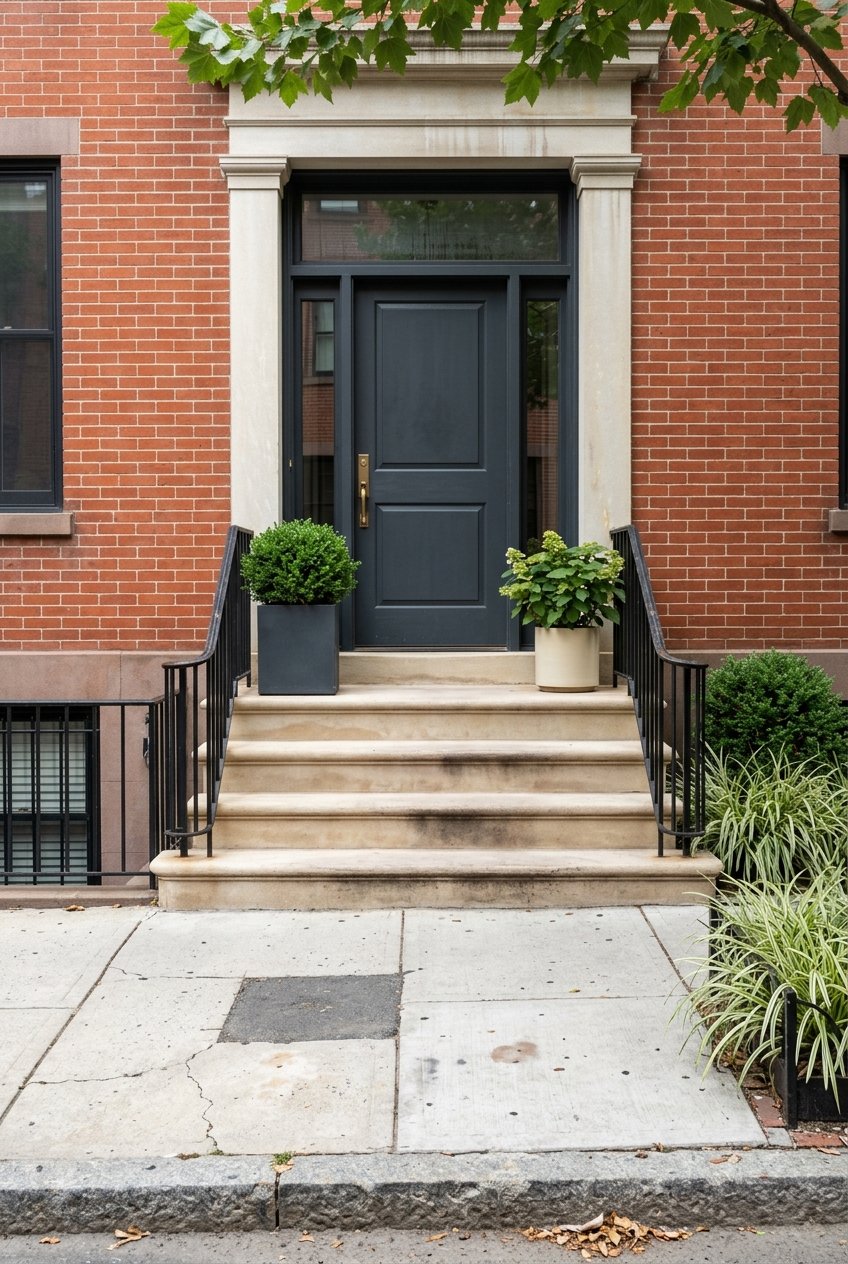
If you’re shopping in the West Village, the housing stock is a big part of the story. StreetEasy says the neighborhood is dominated by historic townhouses and walk-ups, and that older fabric still shapes the area’s look and feel.
Village Preservation also notes that West Village Houses was built as a low-rise complex with walk-up apartment buildings, gardens, courtyards, and commercial space. The broader Greenwich Village Historic District has remained one of the city’s largest historic districts, which has helped preserve the neighborhood’s low-rise scale.
While the classic image of the West Village is tied to older low-rise homes, that is not the full picture. StreetEasy notes that newer high-rises line the Hudson River, creating a smaller but important waterfront tower component.
That means buyers are often choosing between very different property types. A walk-up, a townhouse, and a newer condo by the river can deliver very different layouts, amenities, and price points, even within the same neighborhood.
West Village convenience does not make the neighborhood less expensive. In fact, its walkability, transit access, low-rise character, and limited supply all support premium pricing.
StreetEasy currently shows a median sale price of $1.5 million and a median base rent of $5,495. It also notes that mint-condition townhouses and condos can command several million dollars, which is useful context if you are comparing one building type to another.
This is why it helps to think in submarkets rather than one single price band. A classic walk-up apartment, a renovated townhouse residence, and a newer waterfront condo may all be “West Village,” but they can sit in very different value categories.
West Village is especially compelling if you value time savings and a highly walkable routine. If your ideal day includes walking to coffee, using the train for work or meetings, and heading to the waterfront without planning around a car, the neighborhood checks a lot of boxes.
It can also make sense if you want transportation choices rather than one single mode. Subway lines, PATH, the 14th Street bus corridor, and the greenway create a flexible system that supports a variety of schedules and destinations.
That said, a car-free lifestyle here does not automatically mean a lower housing cost. The premium is often tied more to location scarcity, transit convenience, and neighborhood character than to whether you need parking.
If you are evaluating the West Village through a practical lens, here are the big points to keep in mind:
For many buyers, that combination is exactly the point. You are not paying for a car-free workaround. You are buying into a neighborhood where living without a car can feel natural.
If you’re weighing whether the West Village fits your lifestyle or your next purchase goals, working with a team that understands Manhattan micro-markets can help you compare building types, price bands, and long-term value more clearly. When you’re ready for a more tailored conversation, connect with The Anable Podell Team.
Stay up to date on the latest real estate trends.






Etiam non quam lacus suspendisse faucibus interdum. Orci ac auctor augue mauris augue neque. Bibendum at varius vel pharetra. Viverra orci sagittis eu volutpat.