How to Sell Your Prewar Co-Op on the Upper West Side
April 2, 2026
April 2, 2026
Selling a prewar co-op on the Upper West Side is rarely a plug-and-play process. Buyers in this market are often looking for a very specific mix of character, livability, and building stability, and they tend to ask detailed questions early. If you want a smoother sale and stronger positioning, it helps to prepare for how buyers evaluate prewar co-ops, how co-op boards shape the timeline, and how current Upper West Side market conditions affect pricing. Let’s dive in.
On the Upper West Side, the term prewar generally refers to buildings constructed before World War II, often between 1900 and 1939. These homes are closely associated with classic Manhattan living, and many of the neighborhood’s most recognized prewar residences are co-ops rather than condos, according to Mansion Global’s overview of prewar buildings.
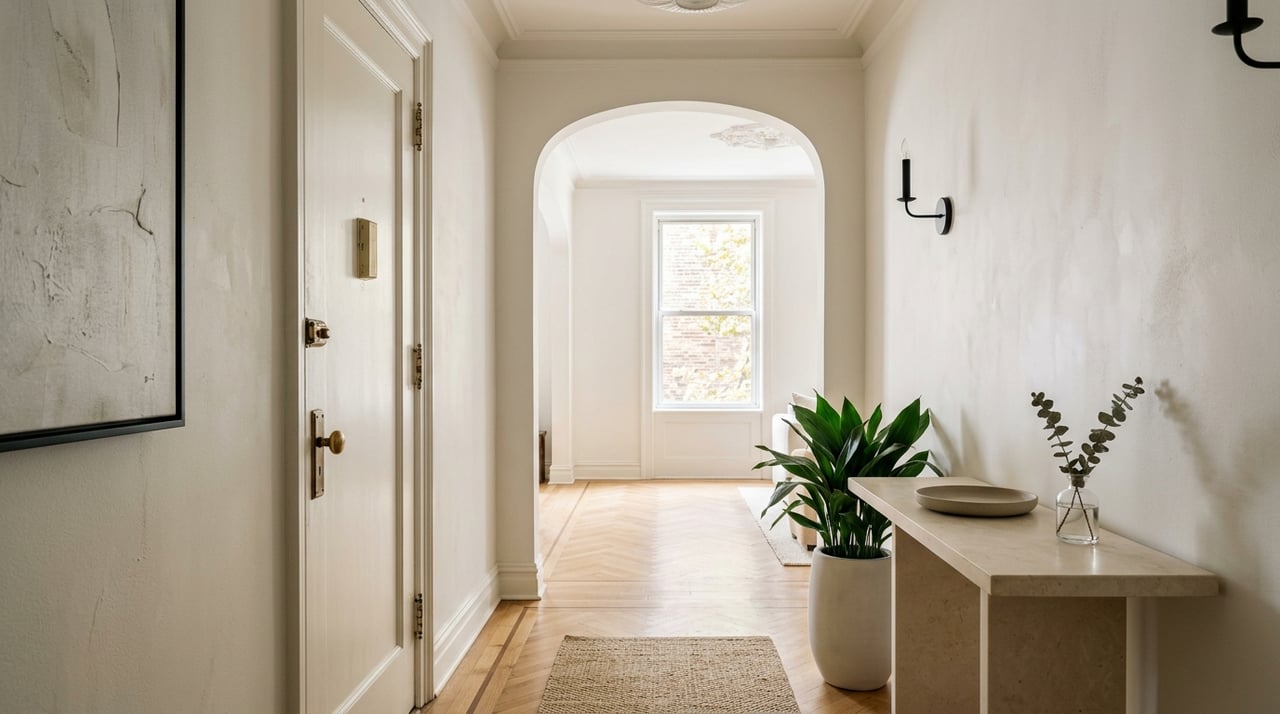
For buyers, the appeal is usually tied to proportion and architectural detail. Features like hardwood floors, intricate moldings, high ceilings, wood-burning fireplaces, and traditional room layouts continue to attract attention, especially in classic five, six, and seven-room layouts that remain sought after on the Upper West Side.
That said, buyers also view prewar homes through a practical lens. Older kitchens, dated plumbing or electrical systems, and the absence of features like central air or in-unit laundry can shape both interest and pricing. When you sell, your goal is to present the apartment’s character clearly while addressing the realities that buyers will naturally weigh.
One of the biggest mistakes sellers make is pricing a prewar co-op like a condo. In the current Upper West Side market, that approach can work against you.
Realtor.com’s Upper West Side market data reports a February 2026 median home sale price of $1.699 million, 82 median days on market, and a 98% sale-to-list ratio. The same source classifies the neighborhood as a buyer’s market, which means buyers may have more room to negotiate.
At the co-op level, PropertyShark data cited in the research report shows a January 2026 median co-op sale price of $1.2 million across 67 transactions. The practical takeaway is straightforward: your pricing should be grounded in recent co-op comparables, building-specific realities, and current buyer behavior, not in broader luxury headline numbers.
Prewar apartments often win attention based on feeling as much as finish. Buyers want to understand whether the home has retained original detail, whether the rooms work for modern furniture, and whether the kitchen and baths feel move-in ready or like a future project.
Your photography and presentation should therefore focus on light, ceiling height, room flow, and original architectural elements. Those details help buyers connect emotionally, especially in a neighborhood where prewar inventory is often compared on nuance rather than just square footage.
Clutter can dilute that impact. A cleaner visual presentation helps buyers read the scale of the rooms, appreciate the floor plan, and notice details like millwork, flooring, fireplace mantels, and window proportions.
If your apartment has been altered, documentation matters. Mansion Global notes that older buildings and historic-review settings can involve added scrutiny for renovation work, so buyers and their attorneys may want to see approvals and permits.
This is especially relevant on the Upper West Side, where several areas fall within designated historic districts. According to the NYC Landmarks Preservation Commission’s Manhattan historic district page, the neighborhood includes the Upper West Side/Central Park West, Riverside-West End, West End-Collegiate, West 71st Street, and Riverside Drive-West 80th-81st Street historic districts.
Landmark designation does not prevent change, but it does mean the Landmarks Preservation Commission must approve in advance any alteration, reconstruction, demolition, or new construction affecting a designated building. If visible work was done in your apartment or building, having those records organized can make buyer questions easier to answer.
A co-op sale involves more than the apartment itself. In New York, the buyer purchases shares in a corporation and receives a proprietary lease, and monthly maintenance typically covers operating expenses, property taxes, and sometimes the building’s underlying mortgage, as explained by the New York City Bar’s co-op and condo guide.
Because of that structure, buyers tend to evaluate both the unit and the building’s governance and financial condition. A missing document or unclear answer can slow the process or weaken buyer confidence.
A strong seller preparation file often includes:
The New York Attorney General’s co-op guidance notes that board minutes, financial reports, and related conversations can reveal major building issues, including façade, roof, elevator, plumbing, electrical, and boiler work. For sellers, that means preparation is not just about having paperwork. It is about understanding what the paperwork may signal to a buyer.
Many Upper West Side buyers look closely at carrying costs, especially in older co-op buildings. If your maintenance is higher than nearby alternatives, buyers may want to know whether that reflects staffing, underlying mortgage obligations, building services, or taxes.
Tax abatement can also come up. According to NYC’s co-op and condo tax abatement page, the abatement is applied for and renewed by the board or authorized agent on behalf of the development, not by individual owners. If your building receives it, and it is current, that can be useful context when discussing monthly ownership costs.
It also helps to know that NYC Finance values co-op and condo buildings using rental comparables, taking into account factors such as unit count, size, age, distance, and number of stories. That is one reason buyers often look beyond asking price and focus on the full monthly ownership picture.
Co-op sales are often more document-heavy than condo sales, and board approval is a major reason why. The timeline can be shaped by package completeness, board review, follow-up requests, interview scheduling, and closing coordination.
In practice, that means your sale can move more smoothly when you gather materials before the listing goes live. Starting early gives you more control over timing and helps reduce avoidable delays once an offer is accepted.
It also allows your representation team to set expectations correctly from day one. In a co-op transaction, speed is not only about finding a buyer. It is also about helping that buyer move through the board process with as little friction as possible.
In a market where homes are selling at about 98% of asking on average, according to Realtor.com’s Upper West Side data, sellers benefit from a strategy built on evidence rather than optimism. Overpricing can lead to extra time on market, repeated price adjustments, and less momentum once serious buyers begin comparing options.
A better approach is to enter the market with a price that reflects current co-op comps, your building’s financial profile, and the apartment’s condition and presentation. That creates a stronger launch and can improve the quality of early buyer interest.
You should also be prepared for questions about building-wide projects or apartment-level repairs. If issues surface during diligence, buyers may ask for credits or adjustments. Being organized, transparent, and realistic can help you protect the deal and keep negotiations moving.
If you want to sell a prewar co-op on the Upper West Side with fewer surprises, focus on preparation before marketing begins.
A practical pre-listing plan includes:
For a property type as nuanced as a prewar Upper West Side co-op, preparation is often what separates a smooth transaction from a slow one.
Selling well in this market means understanding how buyers think, how boards operate, and how to position your apartment against real co-op competition. If you want a tailored strategy for your home, The Anable Podell Team can help you evaluate pricing, presentation, and next steps with the level of detail this market demands.
Stay up to date on the latest real estate trends.






Etiam non quam lacus suspendisse faucibus interdum. Orci ac auctor augue mauris augue neque. Bibendum at varius vel pharetra. Viverra orci sagittis eu volutpat.