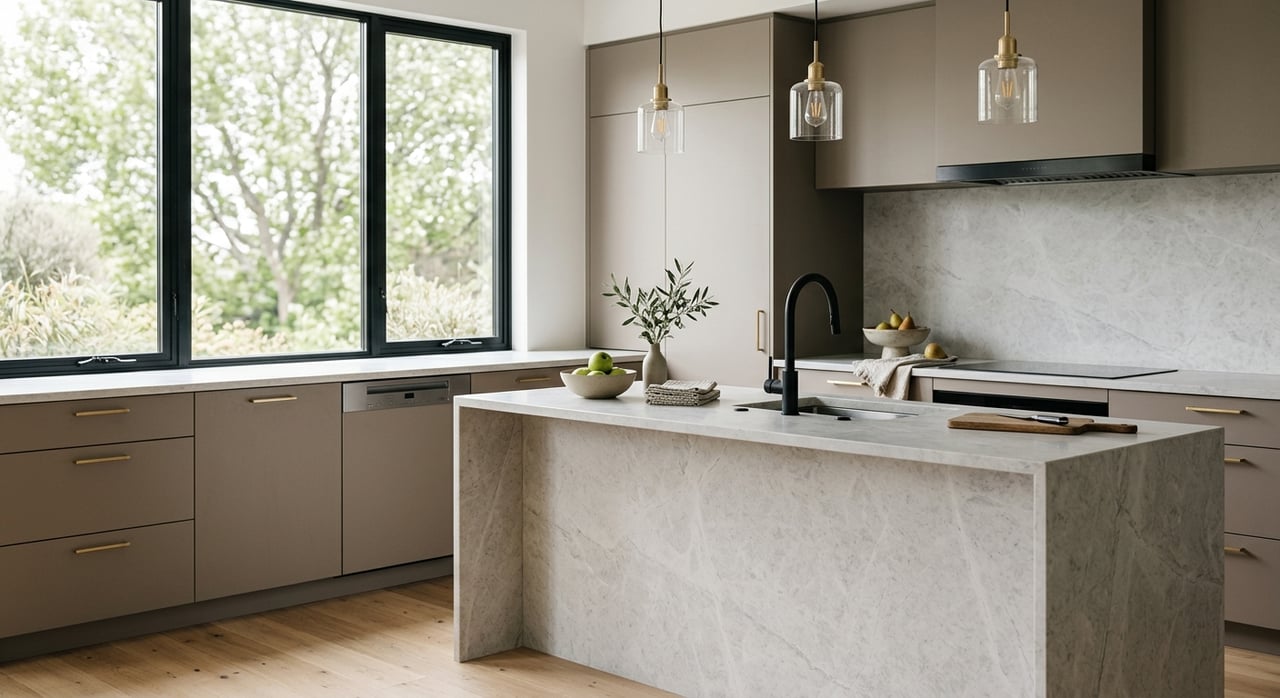
How Buyers Evaluate Tribeca Luxury Listings
April 23, 2026
April 23, 2026
If you are shopping Tribeca luxury, the asking price is only the opening number. In a neighborhood where loft conversions, full-service condos, and landmarked buildings can sit blocks apart yet trade very differently, smart buyers look past the headline and study how a listing actually lives, what the building requires, and where negotiation room may exist. This guide walks you through how buyers evaluate Tribeca luxury listings with more clarity and less guesswork. Let’s dive in.
Tribeca remains one of Manhattan’s most expensive neighborhoods, but the exact pricing picture changes depending on the source and the metric. Zillow’s Tribeca market data showed a typical home value of $3,714,466, a median list price of $3,681,667, 139 homes for sale, and 107 days to pending as of March 31, 2026. Redfin’s Tribeca overview reported a March 2026 median sale price of $3,675,000, while Realtor.com’s neighborhood snapshot put the February 2026 median listing price at $4.5 million.
That spread tells you something important: the list price is not the same as market value. In Tribeca, buyers should treat the asking price as a starting point, then test it against recent closings, building quality, layout, carrying costs, and the broader Manhattan luxury market.
That broader context matters too. According to Miller Samuel’s 1Q26 Manhattan report, the luxury entry threshold was $4.43 million and luxury inventory remained limited. So even when a Tribeca listing seems negotiable, you are still shopping in a market where truly comparable luxury product can be scarce.
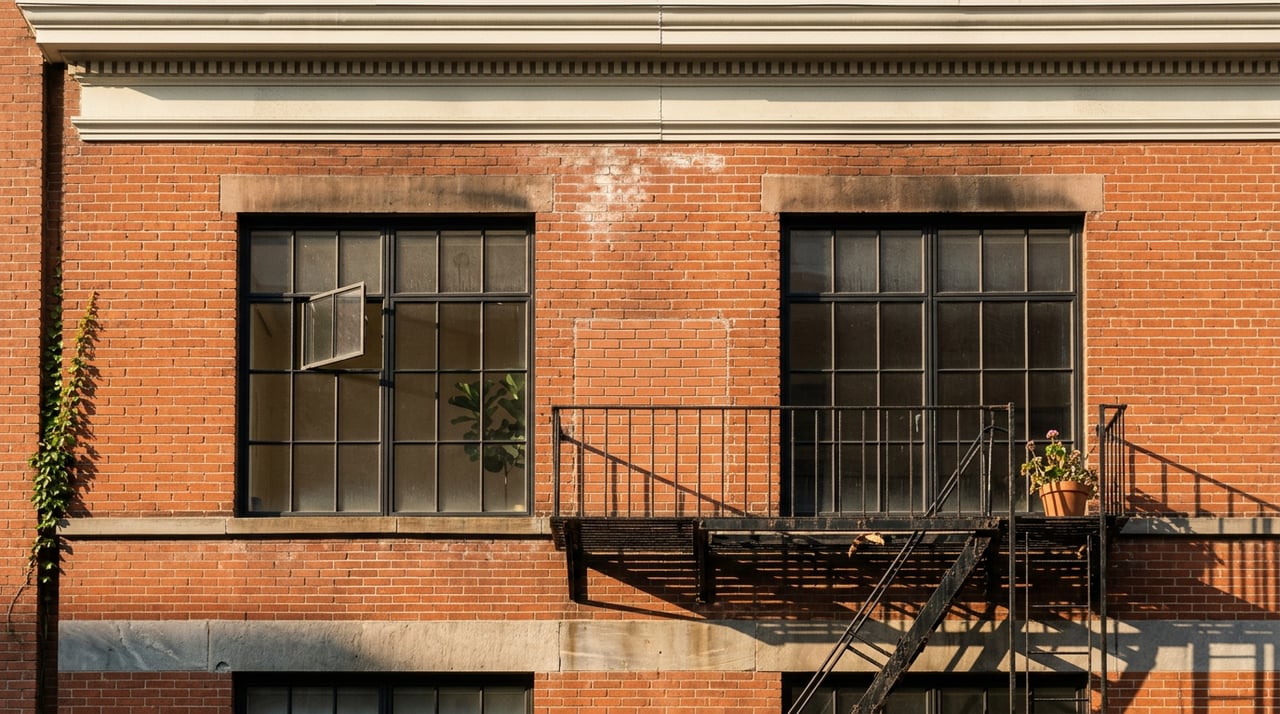
Tribeca is not a one-note luxury market. Its housing stock reflects warehouse history, loft conversions, newer condominiums, and a planning framework shaped by the Special Tribeca Mixed Use District. That mix can create major differences in ceiling heights, window lines, floor plate efficiency, privacy, and future renovation flexibility.
Historic district status adds another layer. The NYC Landmarks Preservation Commission notes that designated buildings and properties within historic districts may require approval for alterations, reconstruction, demolition, or new construction affecting the exterior. For you as a buyer, that can influence both future plans and future costs if you hope to change windows, façades, terraces, or other visible elements.
The location story also shifts block by block. North Tribeca planning materials describe different building scales across the neighborhood, from mid-rise stretches to larger buildings and taller structures near the Holland Tunnel area. In practical terms, two listings with similar square footage and pricing may offer very different light, views, privacy, and street experience.
Luxury buyers often fall in love with images first, but the best buyers use listing media as a fact-checking tool. The National Association of Realtors reports that more than 90% of buyers search online and that 85% say photos are the most important factor in deciding which homes to view. That means photos are not decoration. They are one of your first sources of due diligence.
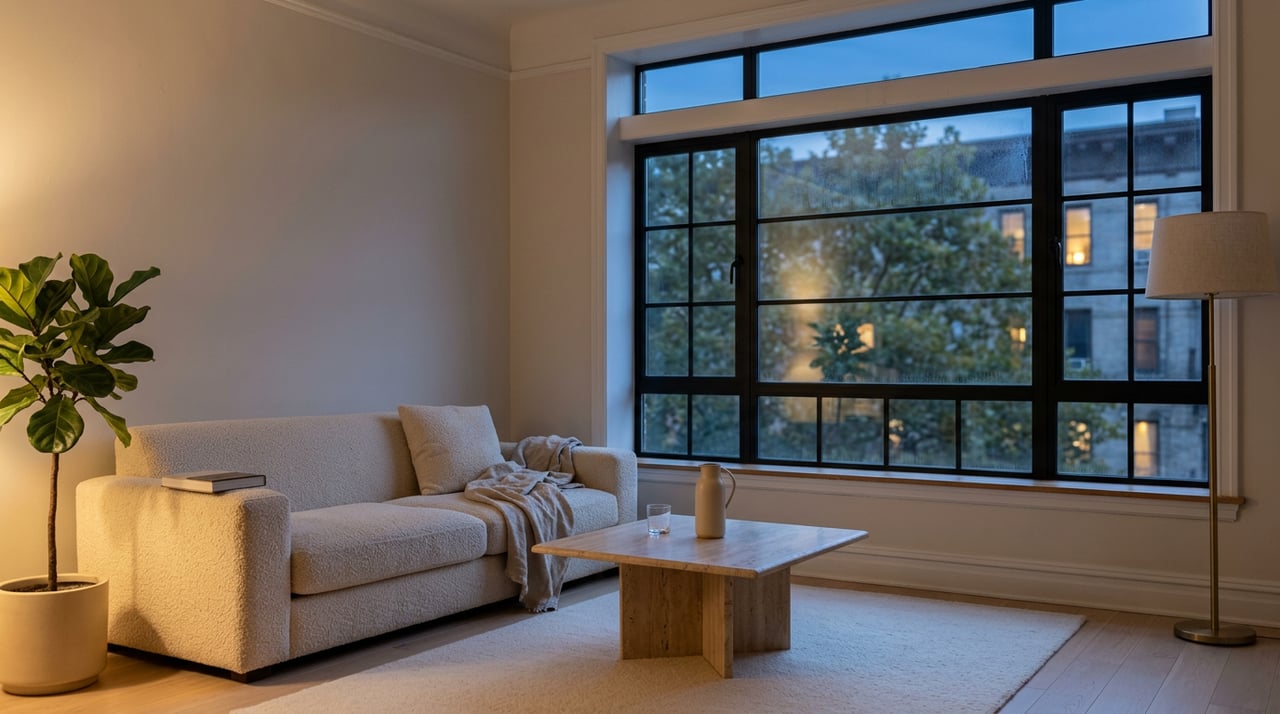
Look closely at ceiling height, window size, natural light, furniture scale, and how rooms connect. If a living room only appears from one angle or a bedroom is shown without context, pause and ask what the media might not be showing. In Tribeca, where lofts and new development residences can photograph similarly, details like column placement, room depth, and wall spacing matter.
Virtual tours and floor plans help confirm whether a home will work for your daily life. NAR notes that virtual tours help buyers understand room flow and layout. A beautiful kitchen matters less if it interrupts circulation, shrinks living space, or separates the home in a way that does not fit how you live.
An elegant Tribeca listing can still underperform if the layout is inefficient. Before you schedule a showing or prepare an offer, ask whether the plan supports how you actually use space. That includes entertaining, working from home, storage needs, bedroom privacy, and whether the main rooms feel proportionate.
A good floor plan should answer practical questions quickly:
This matters even more in Tribeca because some loft-style homes prioritize volume over room definition, while others offer more conventional layouts inside similarly priced buildings. A better layout often supports stronger long-term value than a flashier finish package.
In Tribeca luxury, the apartment is only part of the purchase. The building itself can affect future costs, renovation flexibility, financing, and resale appeal. That is why serious buyers dig into the building before they get attached to the staging.
For condos and co-ops, the New York State Attorney General’s buyer guidance recommends reviewing the offering plan when applicable and checking physical details such as windows, appliances, façades, common areas, and amenities. In existing buildings, the same guidance recommends reviewing defect disclosures, board minutes, financial reports, and violations to identify building-wide issues.
That review can help you spot questions such as:
When the building is landmarked or inside a historic district, make sure you also understand what exterior work may require approval. That can shape both your ownership experience and future resale conversations.
Many buyers focus heavily on purchase price, then realize too late that monthly carrying costs change the real value equation. According to Miller Samuel’s 1Q26 Manhattan report, average co-op maintenance was $3,007 per month, while average condo common charges plus real estate taxes totaled $4,559 per month.
Your exact number may be much higher or lower, but the lesson is simple: the monthly cost matters almost as much as the price per square foot. In Tribeca, amenities, taxes, staffing, and assessments can materially change affordability and buyer demand.
When comparing listings, build a side-by-side view of:
A slightly more expensive apartment with lower carrying costs and a stronger layout may be the better buy over time.
Comps are one of the most important tools in luxury buying, but only if they are truly comparable. The National Association of Realtors consumer pricing guide explains that comparable properties include similar homes that recently sold, are under contract, or are active in the same area.
In Tribeca, the best comp process usually works in layers. Start with recent sales in the same building if possible. Then widen to nearby buildings that genuinely match on product type, layout style, finish level, services, and monthly carrying costs.
A disciplined comp review should ask:
This approach matters because Tribeca buyers are often comparing within a wider Lower Manhattan context, not just one block. Manhattan Community District 1 includes Tribeca alongside several nearby areas, which helps explain why pricing behavior can overlap across adjacent micro-markets.
Even in luxury, price is often negotiable when the data supports it. Realtor.com’s Tribeca market overview reported that homes sold for 4.73% below asking on average and described the neighborhood as a buyer’s market in February 2026. Zillow and Redfin also showed marketing times measured in months, not weeks.
That does not mean every listing is soft. It means you should normalize the asking price against closed comps, time on market, and the likely discount range instead of treating the list number as fixed reality. A well-priced, limited-supply listing may still trade competitively, while an aspirational listing can leave room for a sharper entry.
This is where experienced representation can make a measurable difference. The Consumer Financial Protection Bureau advises buyers to choose an agent with strong experience in the neighborhood, price range, and property type they want. In a market like Tribeca, that local and product-specific context helps turn market data into an actual offer strategy.
Tribeca buyers should also evaluate risks tied to the exact address, not just the neighborhood name. NYC’s flood risk page directs owners and buyers to FEMA resources, FloodHelpNY, and DOB offices to determine flood exposure. Lower Manhattan conditions can vary, and that may affect insurance availability, cost, and your long-term carrying budget.
This step is easy to overlook when a listing is polished and well marketed. Still, if flood exposure or insurance costs change the monthly ownership picture, that belongs in your valuation analysis from the start.
When you evaluate a Tribeca luxury listing, try to move through the same checklist every time. Consistency helps you compare homes more accurately and avoid buying based on emotion alone.
A useful framework looks like this:
The strongest buyers combine that discipline with expert guidance. If you want a sharper read on how a Tribeca listing compares to nearby alternatives, or you want help translating building details into a confident offer strategy, connect with The Anable Podell Team. Their Manhattan luxury market perspective can help you evaluate the numbers, the building, and the negotiation path with greater precision.
Stay up to date on the latest real estate trends.
Etiam non quam lacus suspendisse faucibus interdum. Orci ac auctor augue mauris augue neque. Bibendum at varius vel pharetra. Viverra orci sagittis eu volutpat.