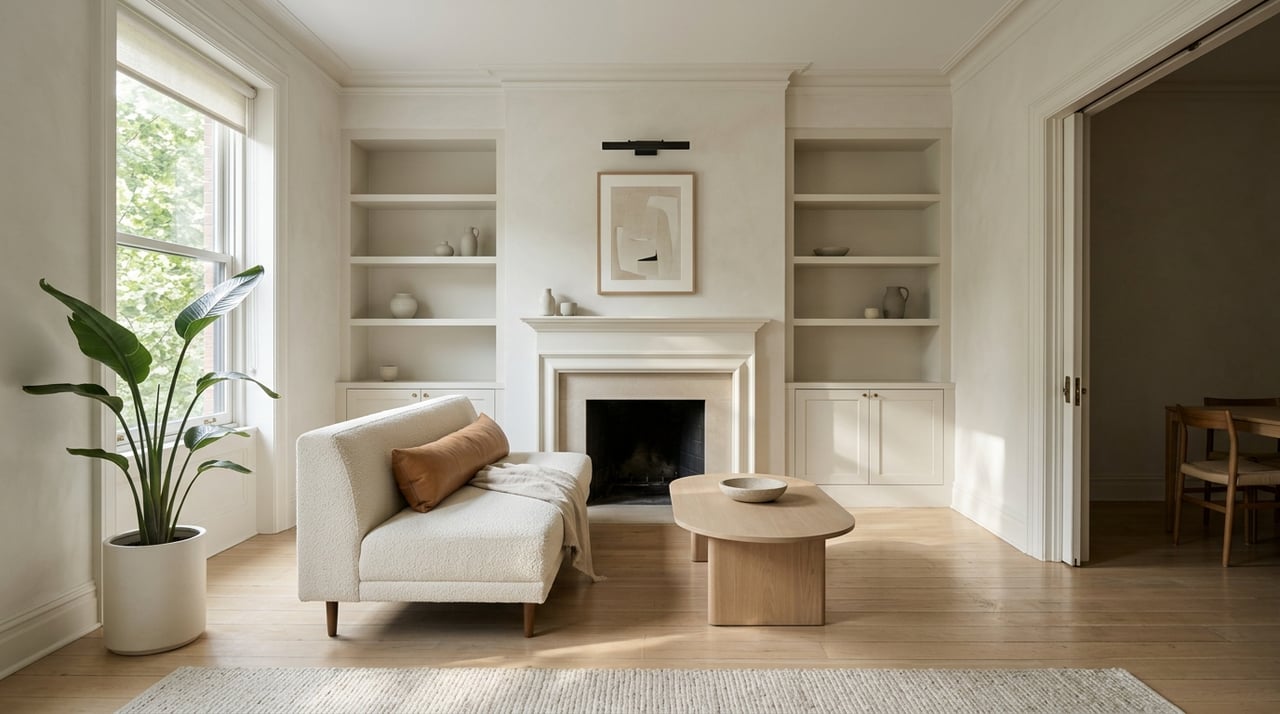
How to Stage a West Village Apartment for Sale
April 16, 2026
April 16, 2026
Selling a West Village apartment is not just about putting it on the market. In a neighborhood where buyers notice layout, light, and character right away, presentation can shape how your home feels online and in person. If you want your apartment to stand out without over-improving, thoughtful staging can help buyers connect with the space and see its value more clearly. Let’s dive in.
West Village is a design-sensitive market with historic housing stock, premium pricing, and strong competition. According to StreetEasy’s West Village neighborhood data, the neighborhood is very expensive and very competitive, and 38% of homes sold above asking in its September 2025 sales report among neighborhoods with at least 15 sales. The median sale price was $1.355M.
That kind of market does not mean every apartment sells itself. Many West Village homes are older, and some interiors can read as dated if they are not presented carefully. Staging helps your apartment feel intentional, livable, and easy to understand, which matters even more in homes with compact rooms or irregular layouts.
The neighborhood’s physical character also shapes buyer expectations. Street patterns here defy Manhattan’s usual grid, and much of the area sits within the Greenwich Village Historic District, which the Landmarks Preservation Commission notes includes more than 2,000 buildings across more than 65 blocks. In practical terms, buyers are often looking for both charm and clarity, so your staging should highlight original details while making the apartment’s flow easy to read.
Staging works because it helps buyers picture themselves living in the home. In the National Association of Realtors 2025 Profile of Home Staging, 83% of buyers’ agents said staging made it easier for a buyer to visualize a property as a future home. That is a meaningful advantage when your listing has only a few seconds to make a first impression online.
It can also affect how seriously buyers engage with a listing. The same NAR report found that 31% of buyers’ agents said staging made buyers more willing to walk through a home they first saw online. In a neighborhood where buyers often compare multiple high-value properties, that added interest can matter.
The impact is usually incremental, not magical. Still, NAR found that some agents reported stronger offers and less time on market for staged homes compared with similar unstaged homes. If your goal is to present your apartment at its best without taking on a full renovation, staging is often one of the most practical places to focus.
Not every room needs the same level of effort. According to NAR’s 2025 staging profile, buyers’ agents most often identified these rooms as the highest priorities:
That order makes sense in a West Village apartment. Buyers want to understand how the main living area works, whether the bedroom feels calm and functional, and whether the kitchen appears clean, efficient, and easy to use.
If you are staging on a budget, start there first. A polished living room, a restful bedroom, and a clear, uncluttered kitchen usually do more for buyer perception than spreading effort evenly across every corner of the home.
In compact Manhattan apartments, more furniture rarely helps. Buyers need to see scale, circulation, and breathing room.
Realtor.com’s small-home staging guidance recommends keeping room corners open, avoiding oversized rugs that interrupt floor flow, and using furniture with long legs or airy materials. These choices help a room feel larger and allow buyers to understand where they would actually move, sit, and live.
For West Village sellers, that usually means simplifying the furniture plan. Your living room should have a clear conversation area, not several competing functions. The bedroom should feel restful rather than packed with storage. In the kitchen, counters should stay mostly clear so the room reads as clean and usable.
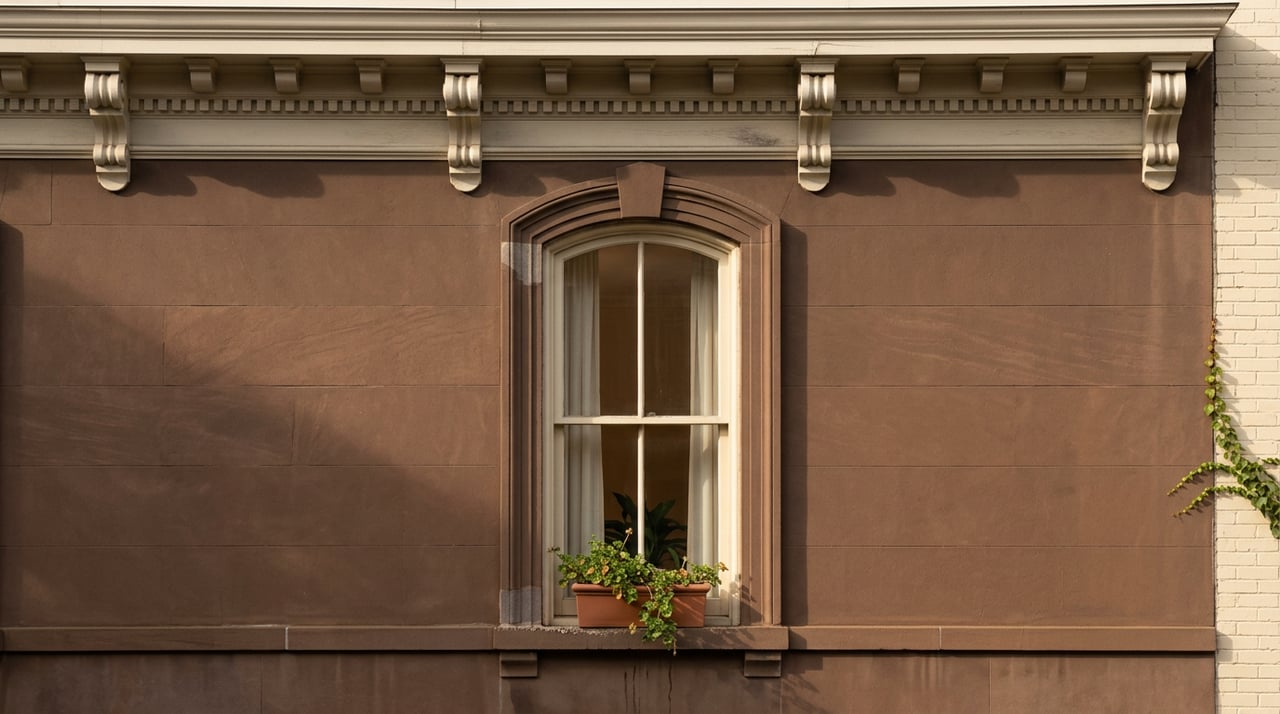
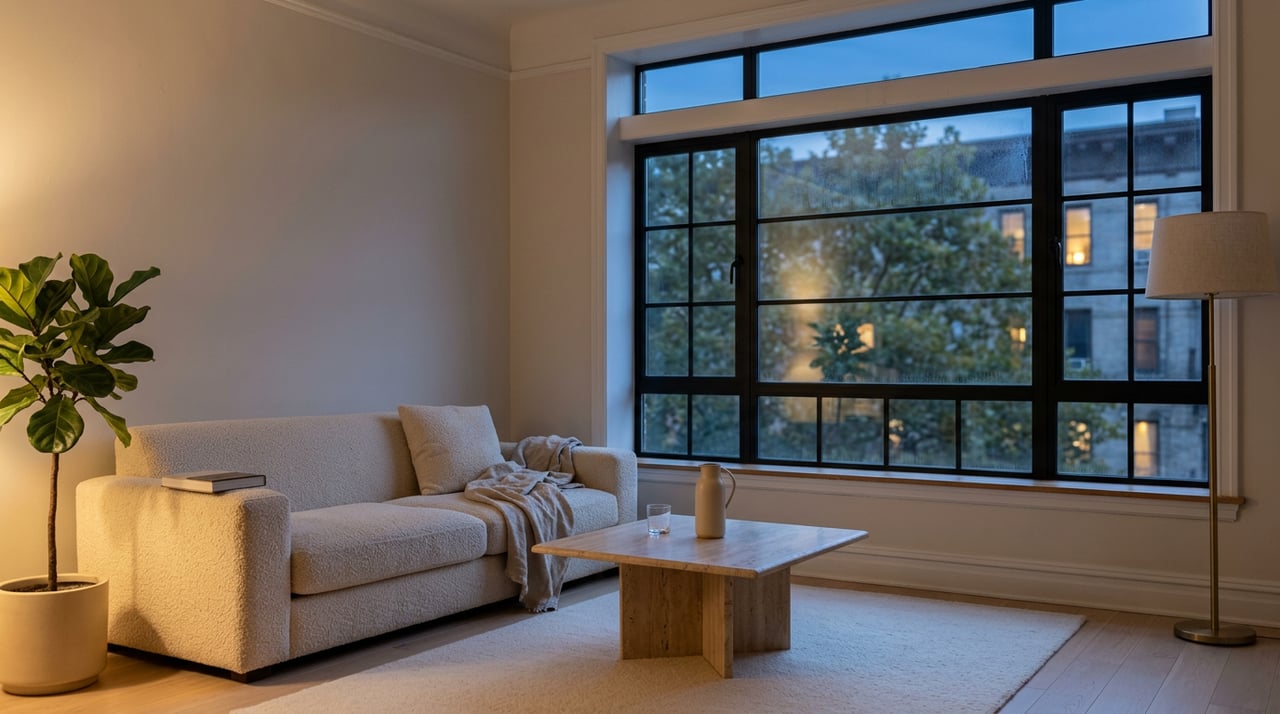
West Village buyers often respond to character, especially in historic buildings. If your apartment has moldings, a decorative fireplace, built-ins, wood floors, or tall windows, those features should be framed, not hidden.
The Landmarks Preservation Commission explains that historic district designation reports document the physical appearance of properties and help guide future alterations. For sellers, the takeaway is simple: original architectural details are part of the appeal. Your staging should support them with quiet, well-scaled furniture and limited accessories.
Try to remove anything that competes visually with those details. Heavy decor, bulky furniture, and too many personal items can distract from the features that make a West Village apartment memorable.
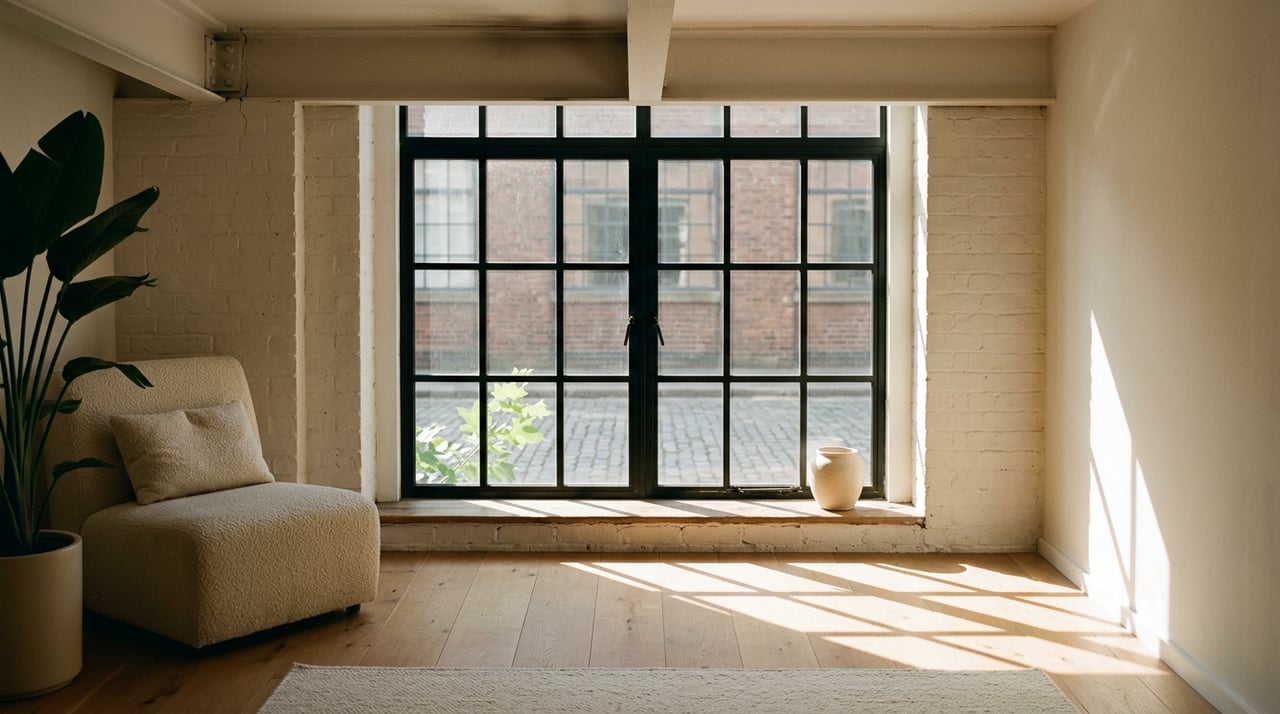
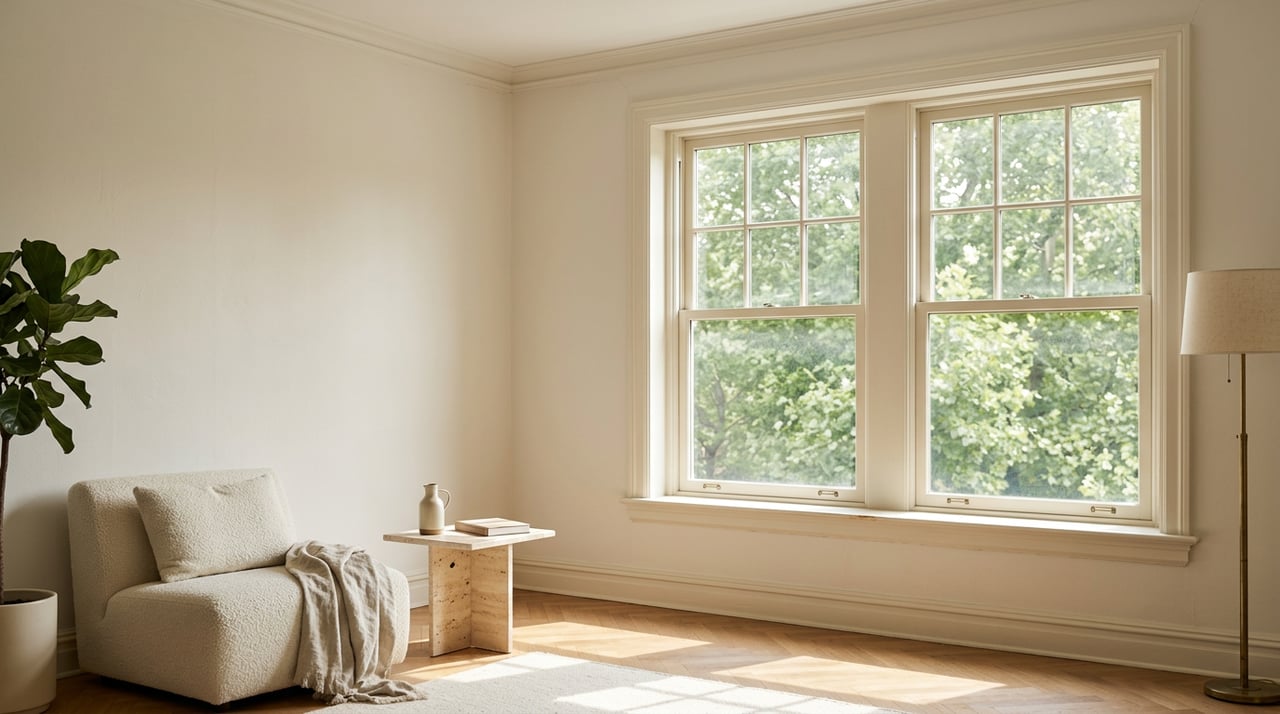
Light can change how spacious your apartment feels in both photos and showings. In smaller homes, brightness helps create a stronger sense of volume without changing the floor plan.
Realtor.com’s listing-photo guidance recommends opening curtains and blinds, tidying thoroughly, and staging lightly before photos. NAR’s consumer guide to marketing your home also stresses the value of cleaning and attention to visual details before the home goes live.
A few light-focused staging moves can make a real difference:
These are small changes, but they often improve both photography and in-person showings.
A restrained color story helps buyers experience the apartment as one connected home. Realtor.com notes that repeating similar hues from room to room creates better visual flow, especially in smaller spaces.
In a West Village apartment, that usually means staying with lighter, airier materials and avoiding abrupt color changes. Soft neutrals, pale woods, and simple textiles often help rooms feel larger and more cohesive. The goal is not to strip away personality entirely, but to make the home feel edited and easy to absorb.
If you have bold art or accent pieces, use them sparingly. Too many statement moments can make a compact apartment feel visually crowded.
You do not need a full renovation to improve presentation. NAR’s consumer guide makes clear that cosmetic updates are optional, while cleaning, decluttering, and attention to walls, windows, lighting fixtures, and carpets can have a meaningful effect.
Before you think about styling, handle the basics:
These steps create the foundation for everything else. In many cases, they deliver more value than a larger cosmetic project completed right before listing.
A strong staging result usually comes from the right sequence, not just the right furniture. Based on the research, the most useful vendor categories for a near-term listing include a home stager, photographer, floor-plan provider, deep-cleaning crew, organizer, and a handyman or painter for small repairs.
NAR’s 2025 staging report found that buyers’ agents valued photos, physical staging, videos, and virtual tours in that order, while floor plans were also identified as a useful online feature. That points to a practical truth for West Village listings: your marketing assets need to show the apartment clearly, especially when the layout is compact or unique.
A smart preparation timeline often looks like this:
If the apartment is vacant or lightly furnished, virtual staging can help support the listing. But the research suggests it should come after strong real photography and, when possible, physical staging.
If you want a simple way to assess your apartment before listing, start here:
If you can answer yes to most of these, you are likely presenting the home in a way that supports buyer interest.
Thoughtful staging is rarely about making a West Village apartment look generic. It is about helping buyers see the best version of what is already there, from the layout and light to the original character that makes the neighborhood so distinctive. If you are preparing to sell and want a strategy tailored to your apartment, The Anable Podell Team can help you evaluate presentation, pricing, and next steps with a private, market-informed approach.
Stay up to date on the latest real estate trends.

Etiam non quam lacus suspendisse faucibus interdum. Orci ac auctor augue mauris augue neque. Bibendum at varius vel pharetra. Viverra orci sagittis eu volutpat.