Your Tribeca Loft Living Guide to Space & Lifestyle
February 5, 2026
February 5, 2026
Picture morning light pouring through factory-size windows, a quiet stretch of cobblestone just outside, and the freedom to arrange your home around generous, open space. If you have been curious about Tribeca loft living, you are not alone. Many buyers are drawn to the neighborhood’s character, volume, and proximity to the Hudson. In this guide, you will learn how Tribeca lofts are laid out, what buildings offer, how daily life feels, and the practical checks to complete before you buy. Let’s dive in.
Tribeca sits below Canal Street along Manhattan’s west side, bordered by the Hudson River to the west and close to Soho, the Financial District, and Battery Park City. The area evolved from 19th century warehouses and factories into one of Manhattan’s most sought-after residential pockets. That history shapes everything you see today, from brick facades and steel beams to wide floor plates and oversized windows.
You will find an easy rhythm to day-to-day living. Streets feel calm compared to nearby corridors, yet you are steps from dining, boutique retail, galleries, and downtown’s cultural energy. The annual Tribeca Film Festival adds seasonal buzz with screenings and events around the neighborhood.
Tribeca lofts command premium pricing due to scale, ceiling height, and scarcity. Inventory spans classic conversions to new luxury developments, so you can tailor the experience to your taste and level of services.
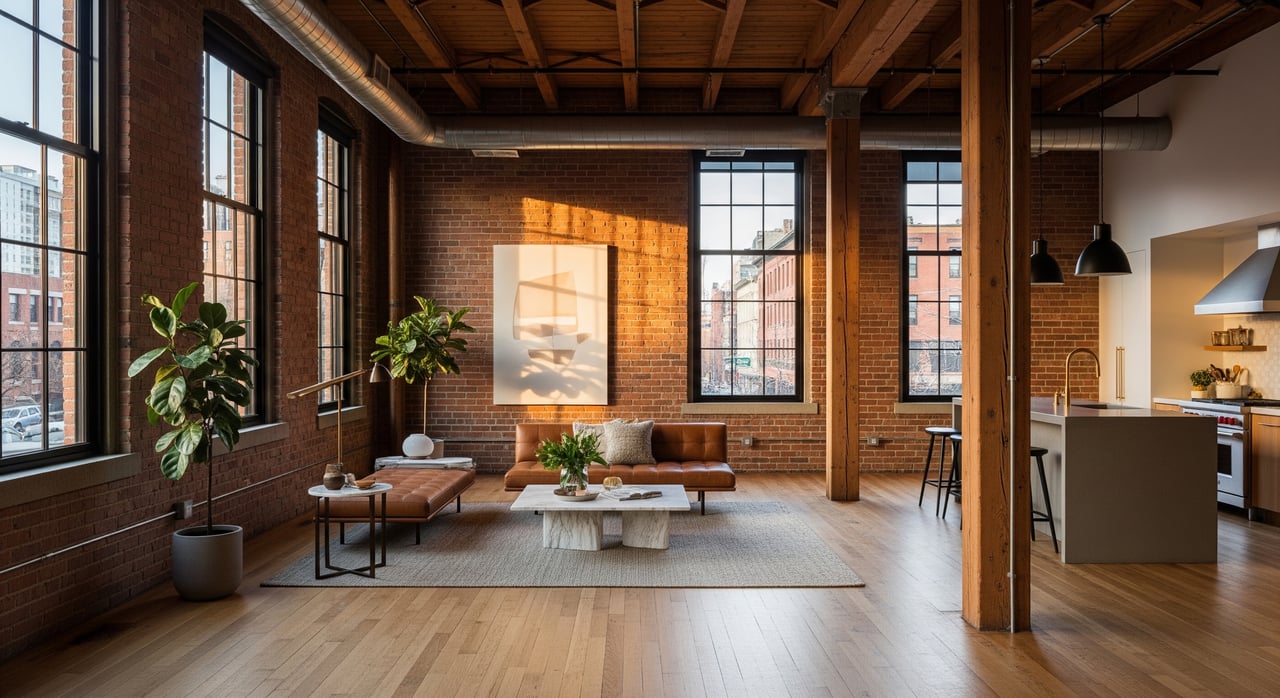
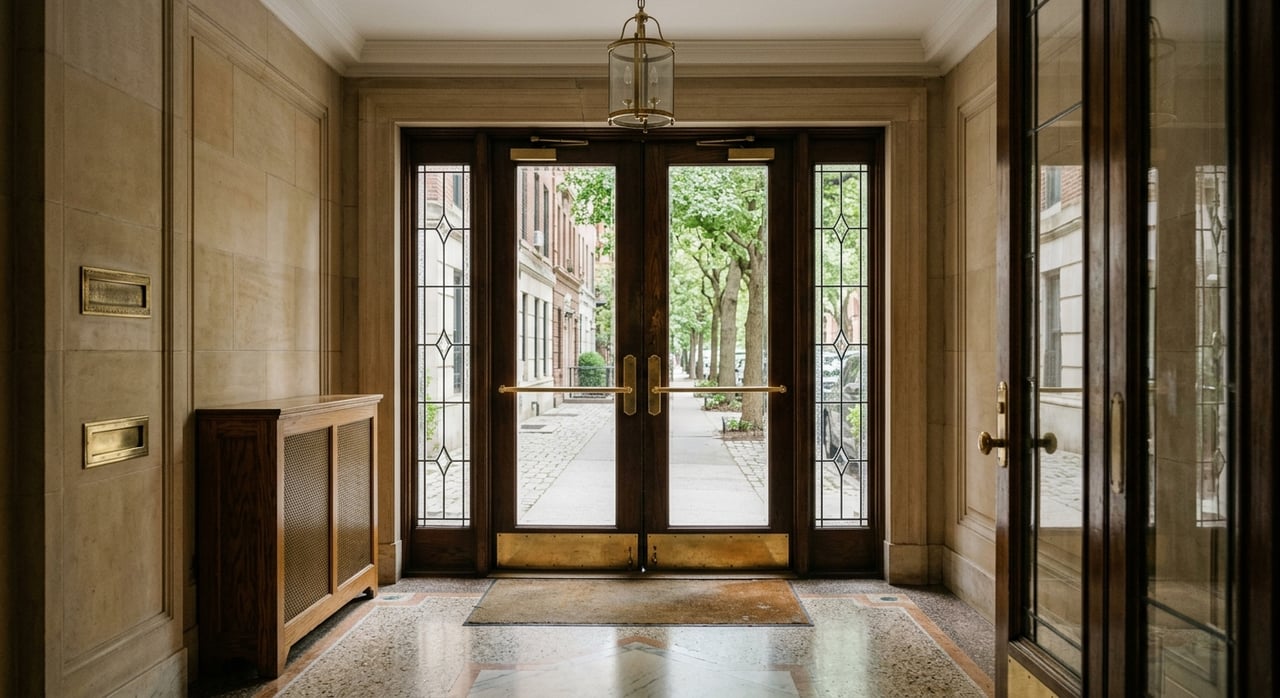
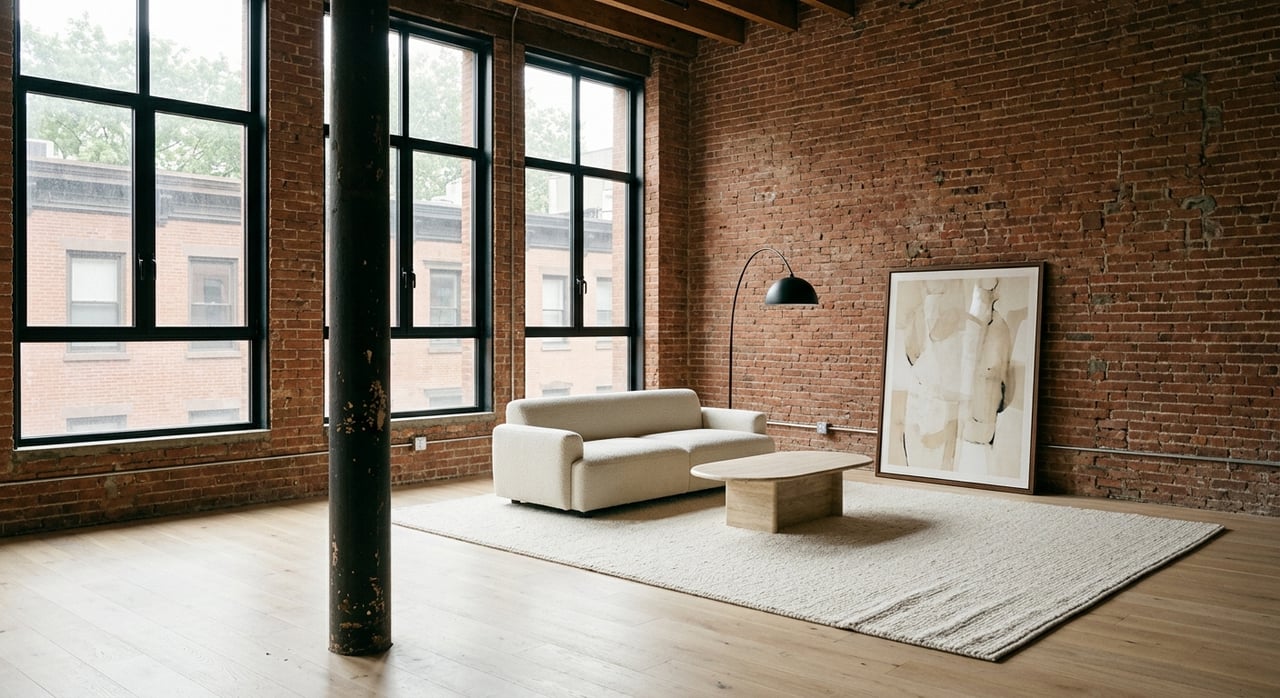
The quintessential Tribeca loft blends historic texture with modern comfort. Expect exposed brick, heavy timber or steel beams, tall industrial windows, and wide-plank or hardwood floors. Some entries still echo their past, with former loading bays now converted to elegant glass doors.
High ceilings set the tone. Many lofts range from about 10 to 14 feet, and some dramatic conversions stretch to 15 feet or more, especially in duplex or mezzanine layouts. That vertical volume changes how you live, frame art, and place furniture.
Large windows deliver excellent natural light, though orientation matters. South and west exposures often feel bright through the afternoon, while deeper floor plates may create interior pockets that need thoughtful lighting design. Open plans invite flexible living, from long dining tables to generous living zones.
A classic layout centers on a large living, dining, and kitchen area with one or more enclosed sleeping rooms carved out using partitions or glass walls. Studio lofts often run 600 to 900 square feet, while larger homes can exceed 1,500 to 4,000 square feet with multiple bedrooms. Where ceilings allow, mezzanines add a sleeping loft, media room, or office.
Original industrial buildings were not designed with closets. If built-ins are limited, buyers often add custom millwork, wardrobe systems, and under-stair storage. A smart plan will create an entry moment, add linen and utility storage, and integrate closets without losing light.
Open volume is inspiring, yet it can also amplify sound. You can reduce echo with acoustic panels, area rugs, fabric window treatments, and insulated partitions. Sliding doors and glass walls help create private zones while maintaining light.
Building systems vary. Some older conversions use radiator heat and window or through-wall air conditioning. Many modern buildings install central HVAC and upgrade insulation. Ask for historical utility bills, understand the age and capacity of equipment, and test air flow on tours, especially in mezzanine areas.
Tribeca includes co-ops, condos, and occasional condops. Co-ops often occupy earlier conversions and may involve board interviews, financial reviews, sublet limits, and detailed renovation rules. Condos tend to offer more flexibility, quicker approvals, and fewer restrictions, which often translates to higher prices per square foot. Always review building financials, reserve funds, and house rules.
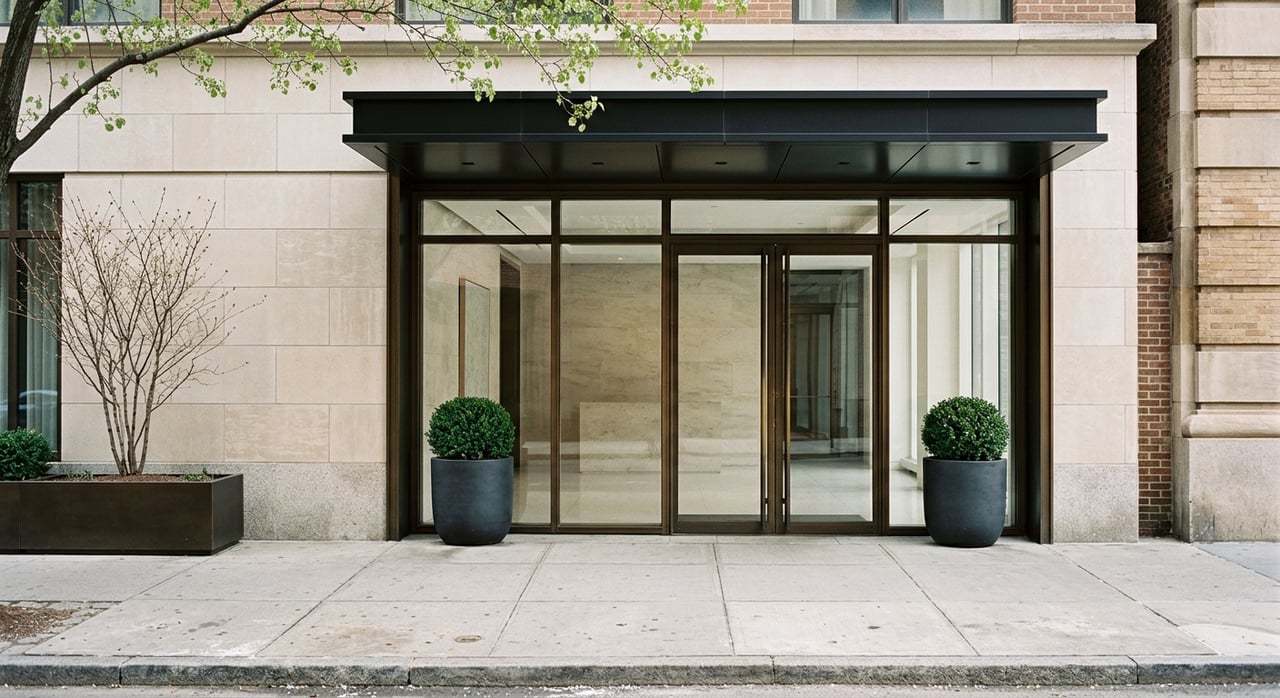
Amenities range from boutique to full service. Many luxury buildings offer a doorman, concierge, elevators, package rooms, bicycle storage, rooftop terraces, fitness centers, and sometimes parking. Some walk-up lofts still exist, and many buyers trade full-service staffing for historic character and lower monthly costs. In-unit laundry is common in modern conversions, and private outdoor space is a prized feature.
New York’s legal framework for former industrial buildings influences how these properties were legalized and upgraded for residential use. As a buyer, confirm the certificate of occupancy, verify that past renovations were permitted, and check for any open violations. If you plan to add a mezzanine or restructure walls, expect Department of Buildings permits and building approvals. Co-op boards and condo associations set contractor insurance requirements, work hours, and elevator use policies.
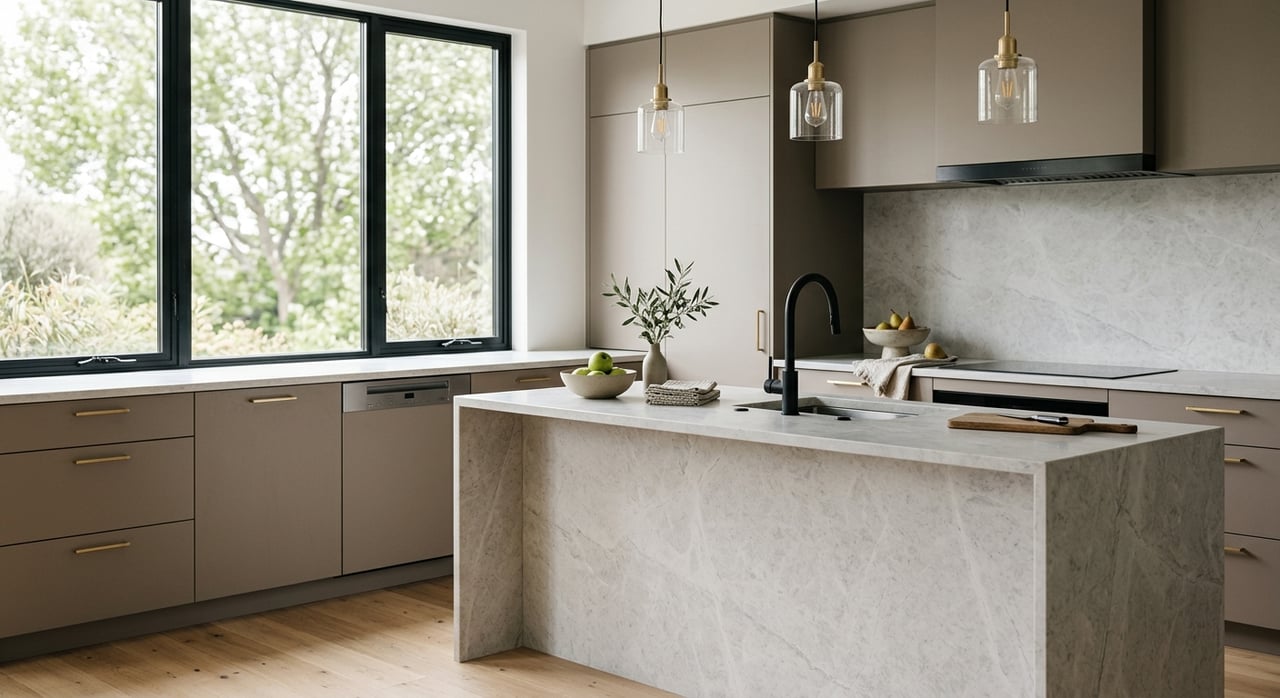
Popular upgrades include building out closets, adding glass-partitioned bedrooms, installing or updating central HVAC, improving electrical capacity, refreshing kitchens and baths, and soundproofing floors or ceilings. Structural work, like adding a mezzanine, is more complex and can trigger additional code and life-safety requirements. Set contingency in your budget for older systems and unknowns revealed during demolition.
Before you start design work, map out the process with your architect and the building’s manager:
Tribeca is well connected. Several subway lines run within walking distance, which simplifies cross-town and north-south travel. You can access the PATH at the World Trade Center for New Jersey commutes. Citi Bike stations and downtown bus routes are widespread, and Hudson River ferries add a scenic alternative on select routes.
Hudson River Park lines the neighborhood’s western edge with a continuous esplanade, bike and jogging paths, and river views at sunset. Pier 25 offers recreation, mini golf, volleyball, and a playground. Inside the neighborhood, Washington Market Park and Duane Park provide green pockets for fresh air, playtime, and a quiet bench.
Expect neighborhood groceries, specialty markets, and delivery services, plus dry cleaning, pharmacies, and boutique fitness studios. Many residents rely on local cafes and chef-driven restaurants for weekday dinners and relaxed weekend brunch.
Families often choose Tribeca for its larger homes and access to parks. Public and private school options exist across downtown, and assignments depend on Department of Education zoning and application processes. If schools are a priority, confirm current zoning and admissions timelines during your search.
Street parking is limited. Many residents do not own cars, rely on ride-hail, or lease monthly garage spots. If car ownership is essential, weigh garage availability and fees in your monthly budget.
Tribeca lofts typically trade at a premium due to space, ceiling height, and limited supply. In addition to purchase price, plan for common charges or maintenance, property taxes, utilities, and building assessments. Older conversions can carry higher capital needs over time, so reviewing building reserves and recent projects is important.
Well-located lofts with quality light, tasteful renovations, and flexible layouts tend to hold value. Extremely large floor plates can appeal to a more specific buyer pool, which can influence days on market. Presenting the home with professional staging and photography can maximize interest at resale.
A loft works well if you value volume, character, and flexibility. If you prefer defined rooms, extra storage, and turnkey systems, focus on newer conversions or recent renovations. If you love design and want to shape a space, an older, authentic loft can be a rewarding canvas.
Here is a quick buyer checklist to bring on tours:
Ready to see how these details come together in real spaces? We can curate a shortlist that matches your vision and timeline.
If you are exploring Tribeca lofts or planning a move, connect with the professionals who live this market every day. The Anable Podell Team will help you compare buildings, evaluate financials, and negotiate with confidence. Start the conversation today.
Stay up to date on the latest real estate trends.
Etiam non quam lacus suspendisse faucibus interdum. Orci ac auctor augue mauris augue neque. Bibendum at varius vel pharetra. Viverra orci sagittis eu volutpat.