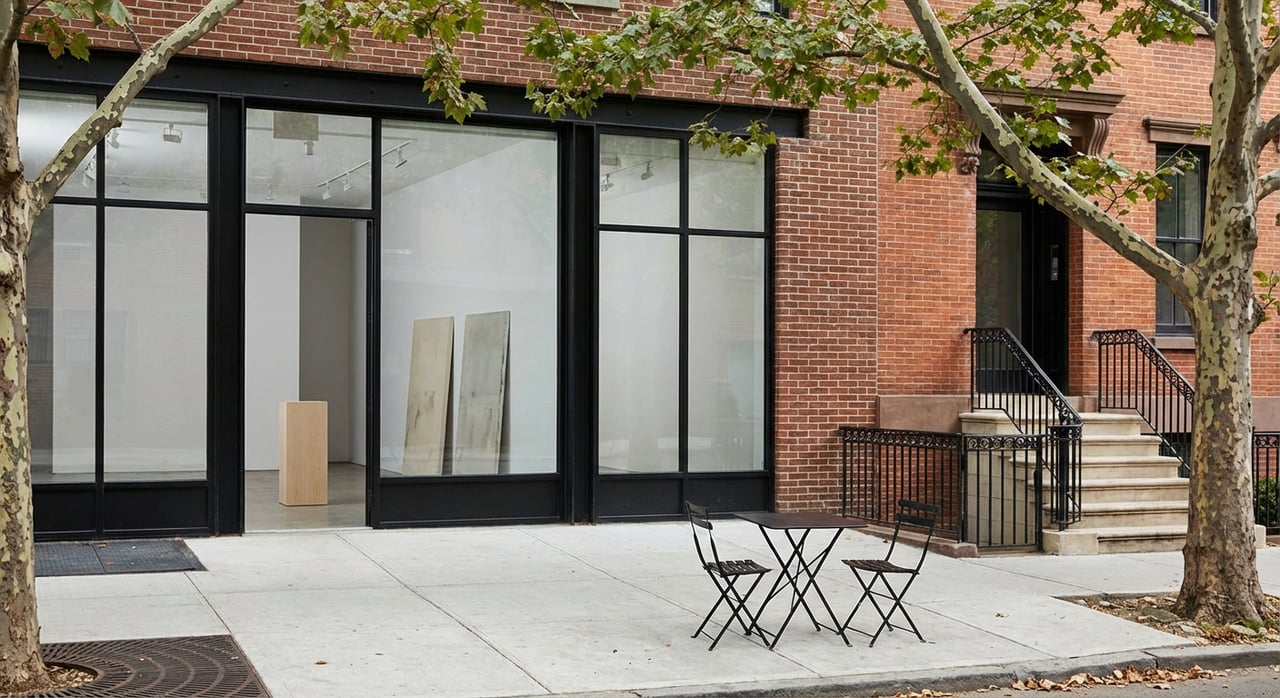
Daily Life in the East Chelsea Arts Neighborhood
February 19, 2026
February 19, 2026
Art in East Chelsea is not an occasional outing. It is the pattern of your week, the reason a quick coffee turns into a gallery stop, and why Thursday dinner reservations are wise. If you want culture at your doorstep without living in the thick of the west‑side tourist flow, this slice of Chelsea can be a strong fit. In this guide, you will see how museums, galleries, theaters, and Union Square rhythms shape daily life, what tradeoffs to expect, and how to choose the right block for your lifestyle. Let’s dive in.
When locals say “East Chelsea,” they usually mean the blocks closer to Sixth and Fifth Avenues, near Flatiron and Union Square, rather than the High Line corridor on the far west side. That distinction matters because the west side hosts the larger commercial gallery cluster, while the east side mixes residential streets, small co‑ops, brownstones, and everyday retail. As a result, East Chelsea often reads as a residential collar that links Union Square and Flatiron to the wider Chelsea arts district.
On a typical weekday, you will see steady foot traffic near transit and cultural spots, but side streets can feel calm by comparison. The benefit is range. You can walk east for markets and cafés, or head west for galleries and the High Line, then return to quieter blocks at home.
A few mid‑sized institutions give East Chelsea weekday texture. The Center for Jewish History at 15 W. 16th St. draws researchers and exhibition visitors, creating a daytime cultural hub just north of Union Square. Its programs and archives pull students, scholars, and curious locals year round, reinforcing the neighborhood’s intellectual vibe. You can browse current offerings through the Center for Jewish History.
Poster House, a museum focused on graphic poster art on W. 23rd St., attracts design‑minded visitors and school groups, especially on afternoons and weekends. The Rubin Museum has shifted to a more distributed, global approach to programming in recent years, which changes how often its Chelsea presence influences daily foot traffic. If you plan a visit, check the Rubin Museum’s update for current on‑site versus traveling exhibitions.
The largest, internationally known galleries cluster farther west between 10th and 11th Avenues. That corridor sets a weekly rhythm for the whole neighborhood, even if you live near Sixth. Many galleries keep Tuesday to Saturday daytime hours, with openings and receptions concentrated on Thursday evenings. Expect a noticeable bump in early evening energy and restaurant demand. You can get a sense of a typical schedule through a major gallery’s posted hours and events, such as David Zwirner’s New York listings.
Performance venues bring a different cadence: fewer daytime crowds, more pre‑ and post‑show activity. The Joyce Theater at 175 Eighth Ave. draws dance audiences that spill into nearby restaurants and bars on show nights. For timing and contact info, see The Joyce Theater. Smaller houses like the Irish Repertory Theatre on W. 22nd St. add to the neighborhood’s after‑work arts routine without creating all‑day tourism.
Midweek often feels lively but workable. Museum visitors, local office workers, and art students create steady foot traffic, especially around programs and campus shows. The School of Visual Arts’ Chelsea gallery programming and thesis exhibitions can spark periodic spikes that bring families and collectors to the area. Look for listings like SVA’s Chelsea gallery events to anticipate those bursts.
Thursday is gallery night. Even if you live east of Sixth, you will notice a subtle uptick as people flow west for openings, then fan back to dining corridors. If you enjoy a convivial evening scene, this is a feature. If you prefer a quiet night, consider homes a few blocks east of the busiest corridors or smaller prewar buildings that tend to buffer sound better than glassier towers.
Saturday mornings lean local and bright. The Union Square Greenmarket draws large crowds of shoppers, chefs, and families, which boosts cafés and bookstores through lunchtime. Foot traffic eases by late afternoon as market hours wind down, so side streets often feel calmer again. For a quick primer on the market’s citywide pull, explore a roundup that highlights the Union Square Greenmarket.
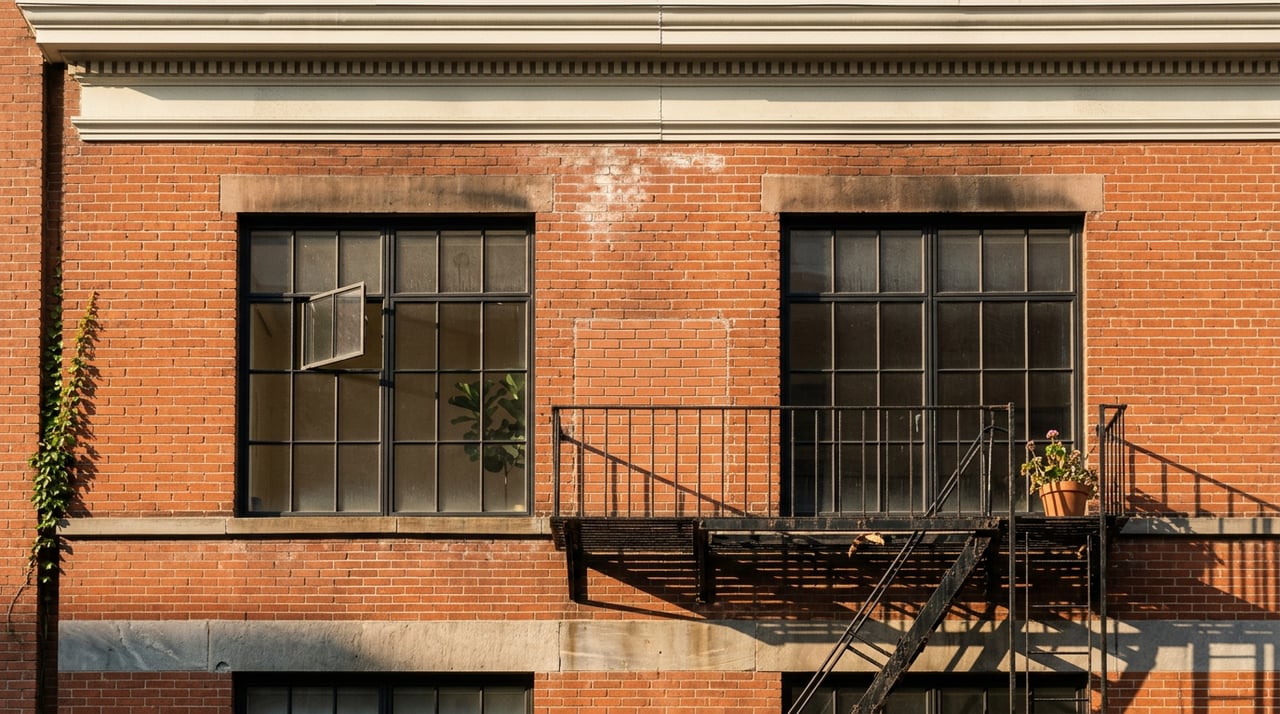
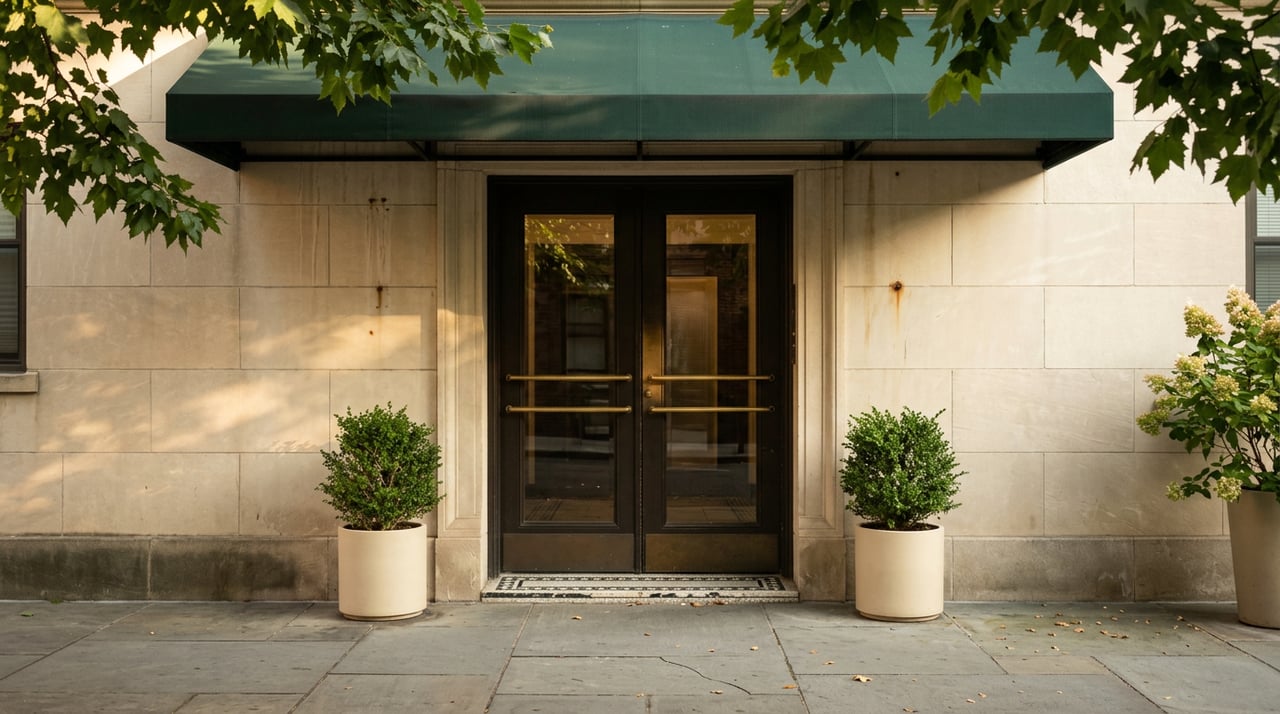
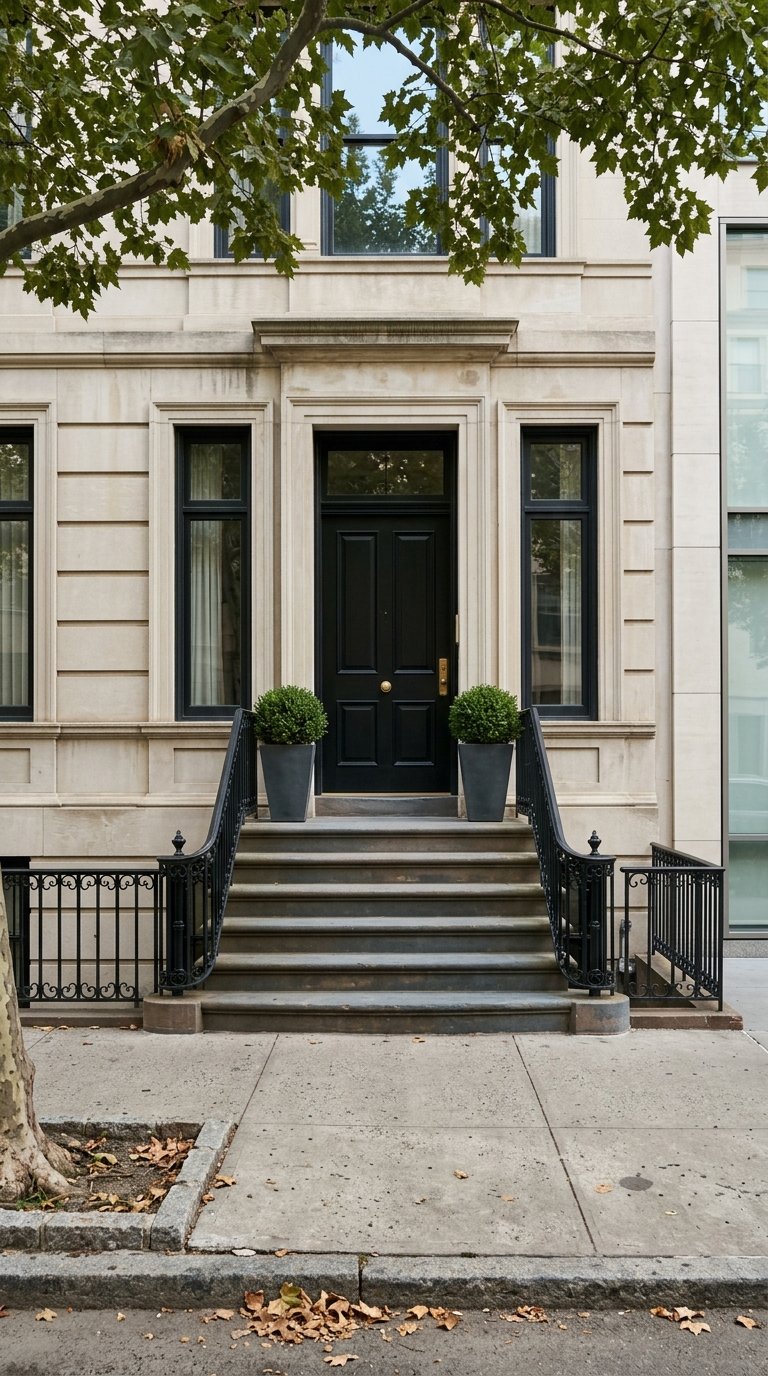
East of Sixth, you will find a mix of prewar walk‑ups, small co‑ops, brownstones, and mid‑rise condos, which creates a more residential feel. Central Chelsea from roughly 18th to 23rd Streets blends rentals, condo conversions, and proximity to smaller museums, schools, and performance venues. Farther west near the High Line, new luxury condominiums and high‑amenity towers appeal to buyers who want modern finishes and dramatic views, balanced against heavier daytime visitor volumes linked to the park and Chelsea Market. For an overview of the neighborhood’s arts geography and its effect on housing types, see the Chelsea arts district context.
Living near cultural anchors raises convenience. You can walk to exhibitions, theater, and a deep dining roster, which is part of the appeal. The tradeoff is predictable: more daytime energy, with specific spikes tied to gallery openings and market days. Buyers who prize a low‑key residential street often look a few blocks east of the busiest galleries and tourist corridors.
East Chelsea benefits from excellent subway and bus access, which makes car‑free living straightforward and encourages spontaneous arts outings. Strong transit also increases pedestrian volume and retail vitality. If you love a neighborhood where errands, coffee, and culture happen within a ten‑minute walk, this is a practical fit. If you want a very quiet block, focus on tree‑lined side streets and smaller buildings.
Even if you settle east of Sixth, you will likely cross west for the High Line and Chelsea Market. The High Line reshaped the neighborhood by bringing visitors into close contact with galleries and anchoring new restaurants and specialty food shops. Daytime near the park is vibrant and busy, while evenings can feel more residential once the park quiets. For background on the park’s impact and location, see the High Line.
Since 2020, shifts across New York’s cultural sector have led some galleries and smaller museums to close, scale back, or reimagine programming. Chelsea remains culturally important, but the landscape changes from season to season. If you plan your week around exhibitions, it helps to check schedules and openings regularly, and to know that touring projects may replace some on‑site shows in certain years. For context on citywide trends, review NYC Future’s Creative New York analysis.
You finish work and stroll past a student‑curated show at an SVA gallery, then cross west for a few commercial openings. The sidewalks hum with conversation as collectors and neighbors compare notes. You head back east for dinner near Eighth or Sixth, skipping the heaviest crowds while still feeling part of the scene.
You start at the Greenmarket, pick up coffee and produce, then walk to a poster exhibit on W. 23rd. Late morning is lively with families and locals rather than tour groups. By mid‑afternoon, the streets soften, and you are back on your tree‑lined block for a quiet read.
East Chelsea gives you culture on your terms. You can live on a calm, classic block, then roam easily for galleries, theater, and parks. If that balance fits your goals, let us help you choose the right address and maximize your outcome. Connect with The Anable Podell Team for a private tour plan or to discuss timing, pricing, and strategy.
Stay up to date on the latest real estate trends.
Etiam non quam lacus suspendisse faucibus interdum. Orci ac auctor augue mauris augue neque. Bibendum at varius vel pharetra. Viverra orci sagittis eu volutpat.