Trying to choose between a Classic Six and a Junior Four on the Upper East Side can feel like comparing two great but very different options. You want the right balance of space, character, and value, without guesswork. In this guide, you’ll learn how these layouts differ in size, flow, lifestyle fit, renovation potential, and resale outlook so you can move forward with confidence. Let’s dive in.
Quick definitions
New York listing terms can be confusing. Room counts are often shorthand, not legal definitions, and some older listings exclude kitchens and baths from the count. Always confirm room counts and details on a floor plan during showings.
Classic Six at a glance
- Typically a prewar six-room apartment with a living room, dining room, separate kitchen, two full-size bedrooms, and a smaller staff or maid’s room near the service area.
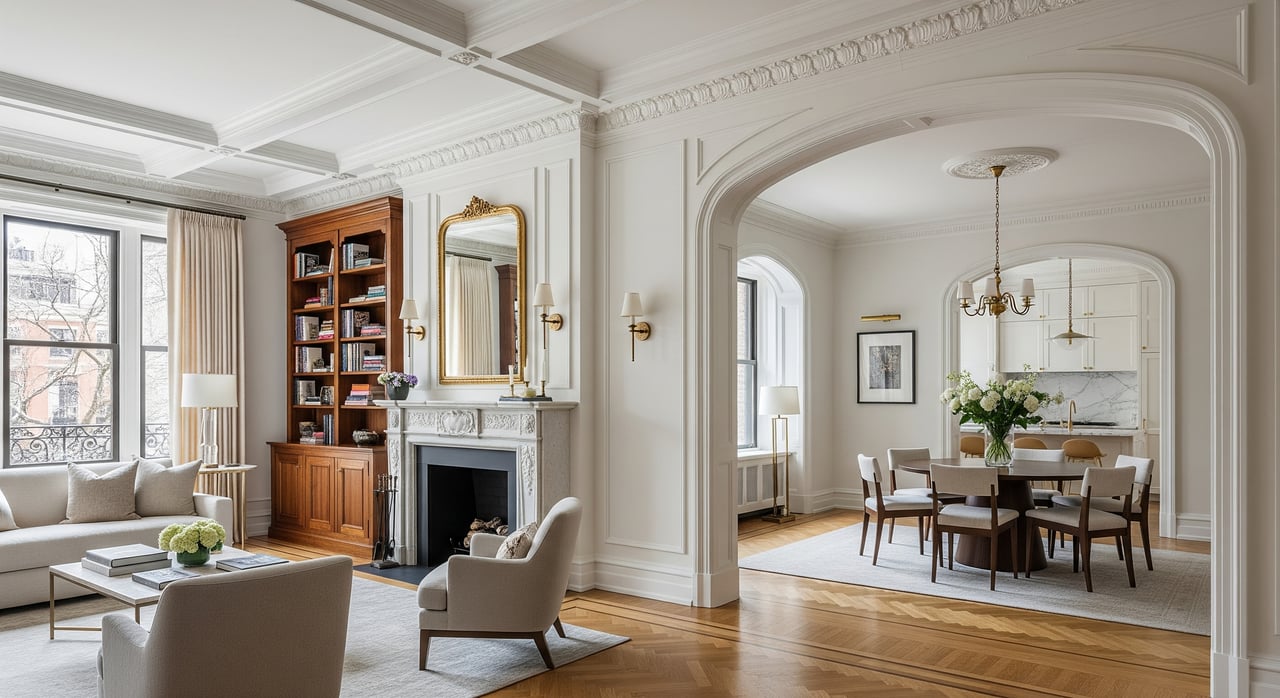
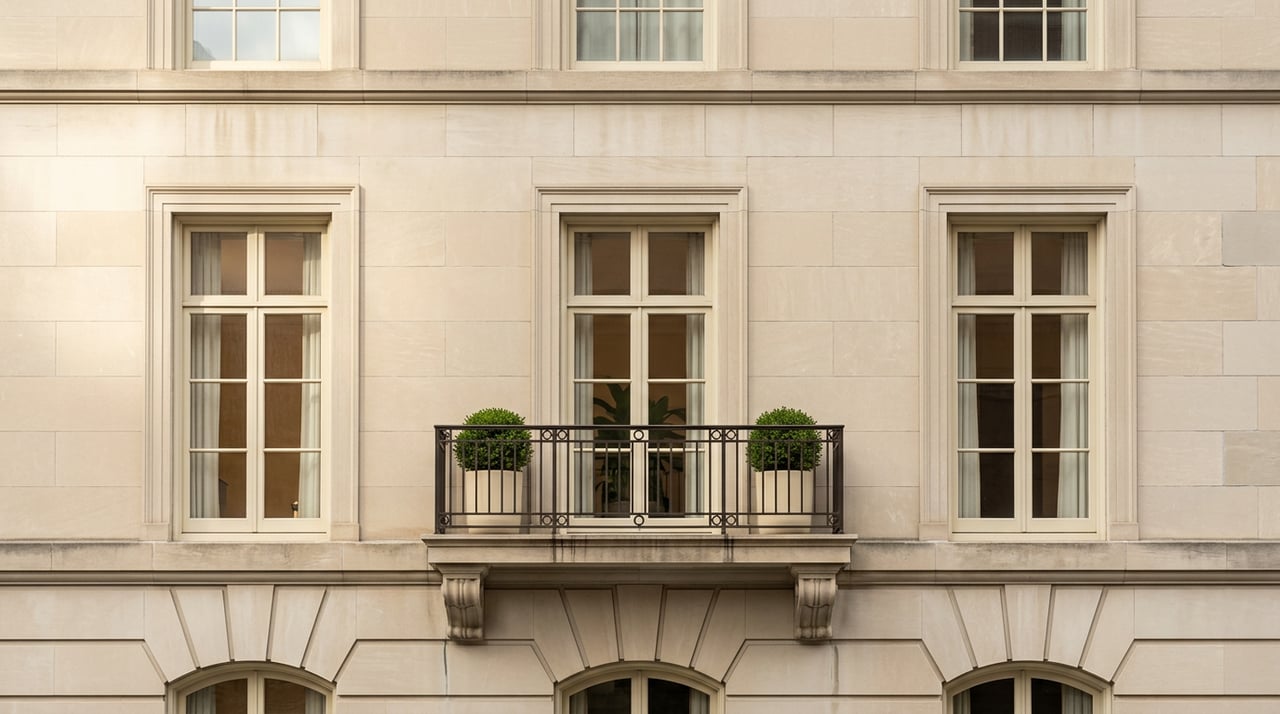
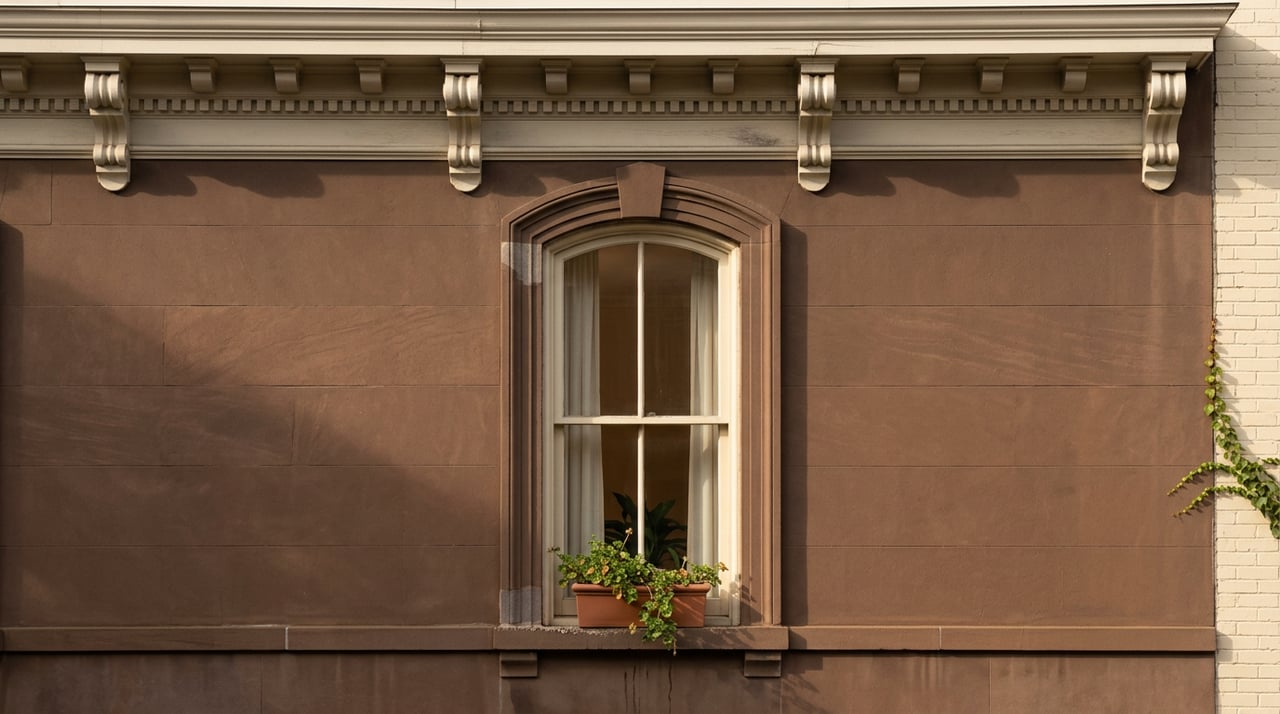
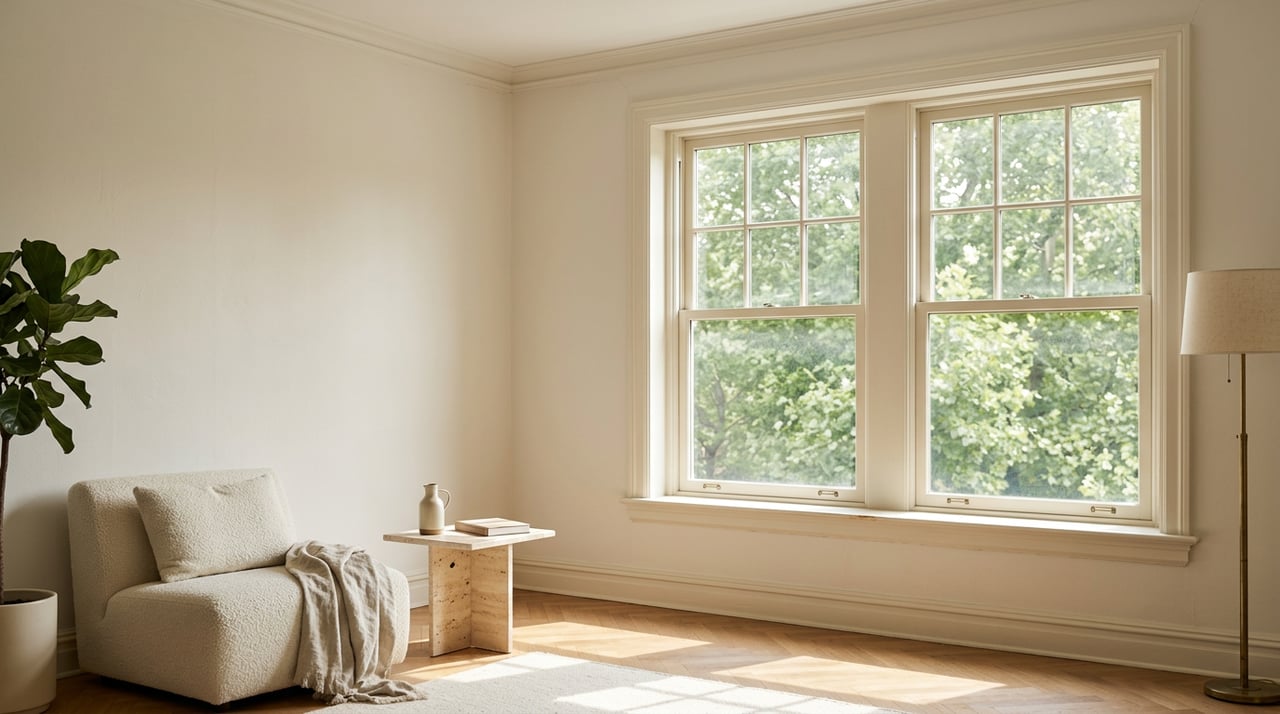
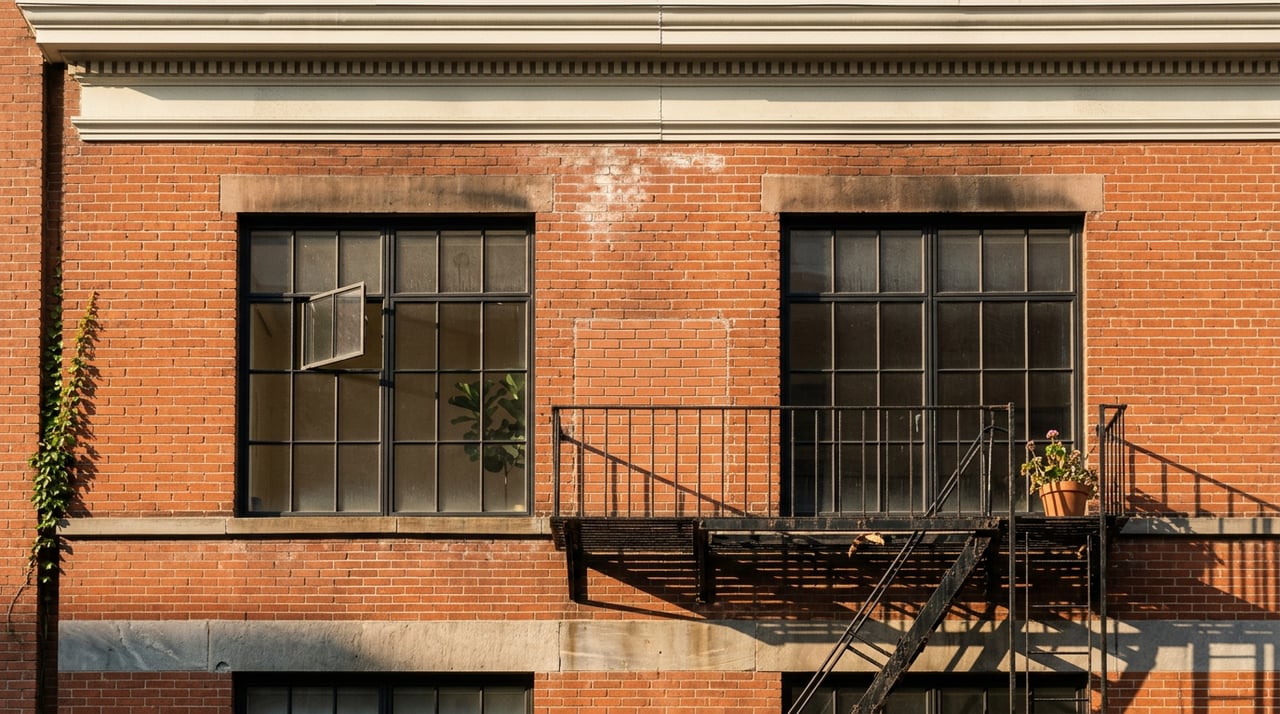
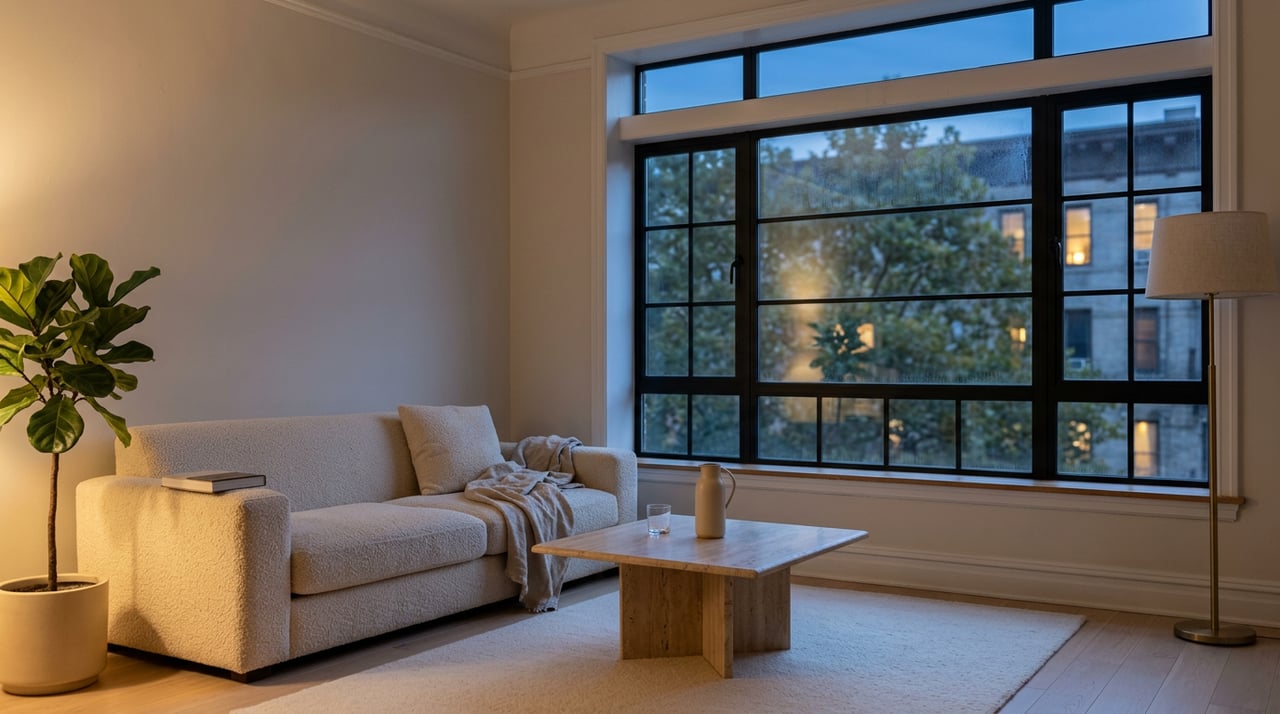
- Common features on the Upper East Side include high ceilings, large windows, original moldings, and well-defined rooms.
- Typical size ranges from about 1,200 to 2,000+ square feet, with many clustering between 1,300 and 1,800 square feet.
- Rooms often flow from an entry foyer to formal spaces, with bedrooms on a separate corridor for privacy.
Junior Four at a glance
- Generally a one-bedroom plus an extra small room or alcove that can flex as a den, office, dining area, or small second bedroom if legally windowed and permitted.
- Found in both prewar and postwar buildings, often with more compact common spaces.
- Typical size ranges from about 600 to 1,200 square feet, with many around 700 to 1,000 square feet.
- Layouts tend to be efficient, with living and dining combined or adjacent, and the extra room off the living area or a hall.
Size, layout, and flow
Classic Six homes favor formal circulation. You usually enter through a foyer, move into a living room and a separate dining room, and then access bedrooms along a bedroom corridor. Kitchens are often separate and may have a secondary entrance in older plans.
Junior Fours keep things simple and efficient. Living and dining areas are often combined or closely connected to the kitchen. The extra room is typically near the living space, which works well for a home office, nursery, or occasional guest room.
Prewar buildings on the Upper East Side, especially in areas like Carnegie Hill, tend to house more Classic Sixes with higher ceilings and period details. Junior Fours appear across both prewar and postwar stock and can be found throughout Lenox Hill and Yorkville pockets.
Lifestyle fit
A Classic Six suits you if you want multiple true bedrooms, formal entertaining space, and distinct zones for daily life. Families often appreciate the separate dining room, a defined entry, and the flexibility of a smaller third room for a guest, office, or play space.
A Junior Four fits if you prefer a smaller footprint with one extra flexible room. Singles and couples value the balance of affordability and utility, especially when the extra room can serve as a dedicated office. Investors and pied-à-terre buyers also like the efficiency and rental appeal of this layout type.
Work-from-home needs matter. A Classic Six often provides a dedicated office without giving up a bedroom. A Junior Four can meet the need if the bonus room is large enough or windowed. If not, you may plan a light reconfiguration to add privacy.
Renovation and conversion ideas
Classic Six upgrades
- Open the dining room to the kitchen to create a modern kitchen and great room while keeping a separate living room.
- Reimagine the staff or maid’s room as an en-suite office or guest space.
- Add a bathroom near existing plumbing lines, sometimes by converting a pantry or oversized closet.
- Subdivide an oversized room to create an additional small room, though many buyers prefer preserving grand proportions.
Junior Four conversions
- Convert the extra room into a legal second bedroom by adding a closet and a full wall, ideally with a window, subject to building and city approvals.
- Open the kitchen to the living area to improve light and flow.
- Define the bonus room as a dedicated home office or guest space with added storage.
Rules, permits, and logistics to know
- Co-op rules on the Upper East Side can be strict. Many boards require alteration agreements, architectural review, and licensed contractors. Expect insurance and approval processes.
- Condos are often more flexible but still have building guidelines and proof-of-insurance requirements for contractors.
- NYC Department of Buildings permits are typically required for structural work, plumbing or electrical changes, and any kitchen or bath relocations.
- In landmarked buildings, changes affecting windows or visible exterior elements may require Landmarks Preservation Commission approval.
- Plumbing stack access matters. Adding bathrooms or moving kitchens is more practical where chases exist.
- Venting and HVAC need planning, especially in prewar buildings with radiator heat. Opening walls for an open kitchen often requires updated ventilation.
Light cosmetic updates are easier and faster than changes that move plumbing or remove structural walls. Projects that involve DOB filings and co-op board approvals add time and soft costs, but quality work that respects prewar character or improves kitchens and baths can enhance market appeal.
Neighborhood context on the UES
Carnegie Hill and nearby historic blocks often feature larger prewar co-ops with Classic Six layouts. These areas attract buyers who value traditional architecture, proximity to Central Park, and quiet residential streets.
Lenox Hill and Yorkville pockets offer a wider mix, including many Junior Fours and postwar condos. You may find flexible options with modern building amenities and varied price points.
Across the Upper East Side, proximity to parks like Central Park and Carl Schurz Park, access to the 4/5/6 and Q lines, and crosstown options are consistent value drivers. Your day-to-day routine, commute, and access to green space can help determine which layout and micro-market best fits your lifestyle.
Resale outlook and marketability
Classic Six apartments hold strong appeal among buyers seeking multi-bedroom homes with prewar character and formal rooms. Their relative scarcity and family-friendly layouts often support long-term resale potential.
Junior Fours offer value and flexibility. If you complete a well-planned, legally compliant conversion to a true two-bedroom, and potentially add a second bath where feasible, you can improve marketability. Poorly executed or non-legal conversions can hurt resale and create compliance issues, so proper approvals and professional guidance are essential.
Outdoor space, larger windows, and multifunctional rooms remain in demand. Regardless of layout, units that deliver flexible zones for work and leisure show well to today’s buyers.
What to check on tours
- Confirm exact square footage and how it was measured.
- Verify which rooms have legal windows, especially any bedroom or potential bedroom.
- Note ceiling heights, exposures, and overall light.
- Evaluate closet capacity and opportunities for built-ins.
- Ask about plumbing stack locations if you plan to add a bath or move a kitchen.
- Review co-op or condo alteration rules, recent or upcoming assessments, and whether an architect is required for plans.
- Request recent financials, co-op board minutes, and details on capital projects.
- Check heat and A/C type, electrical capacity, and the age and condition of kitchens and baths.
- Ask about typical buyer profiles in the building and average hold times to inform resale planning.
Decision guide: Which is right for you?
- Choose a Classic Six if you want three real bedrooms or a staff room, a separate dining room, and formal flow for entertaining.
- Choose a Junior Four if you want a compact footprint with a flexible extra room for an office, nursery, or guest space, plus potential to convert to two bedrooms with approvals.
- If you are relocating and timing matters, prioritize buildings with clear alteration guidelines and a track record of permitting the type of work you plan.
- If resale is a priority, focus on legal windows for any second bedroom, thoughtful finishes, and proven demand in that building and micro-market.
Ready to compare real apartments and see how these layouts live in person? Connect with the experts who navigate Upper East Side co-ops and condos every day. Reach out to The Anable Podell Team for a curated tour and strategic guidance.
FAQs
What is a Classic Six on the Upper East Side?
- A Classic Six is a prewar six-room layout with living room, dining room, separate kitchen, two full bedrooms, and a smaller staff or maid’s room, often with high ceilings and period details.
What defines a Junior Four in Manhattan?
- A Junior Four is a one-bedroom with an extra small room or alcove that can function as a den, office, dining area, or second bedroom if it meets legal window and size requirements and is approved.
Why does a window matter for a Jr 4 conversion?
- A legal window is often required for a bedroom classification, so a windowed extra room makes it easier to convert to a true second bedroom with proper approvals.
Can I add a second bathroom in a Classic Six?
- Often yes near existing plumbing stacks, subject to NYC DOB permits and building approvals, with feasibility depending on chases and structural constraints.
Are Classic Six apartments only in co-ops?
- On the Upper East Side they are primarily found in prewar co-ops, though layouts and building types vary by block and building.
What approvals do I need to renovate in a UES co-op?
- Most co-ops require an alteration agreement, board review, licensed contractors, insurance, and NYC DOB permits for structural, plumbing, or electrical work; landmarked buildings may also need Landmarks approval.