Upper West Side Home Valuation: What Your Condo Could Sell For
November 21, 2025
November 21, 2025
Thinking about selling your Upper West Side condo but not sure what it could actually command in today’s market? You are not alone. Pricing on the UWS is nuanced, and small details can swing your sale price by six figures. In this guide, you will learn the key value drivers buyers notice, how pricing is set with real comps, and the steps to position your home for a premium result. Let’s dive in.
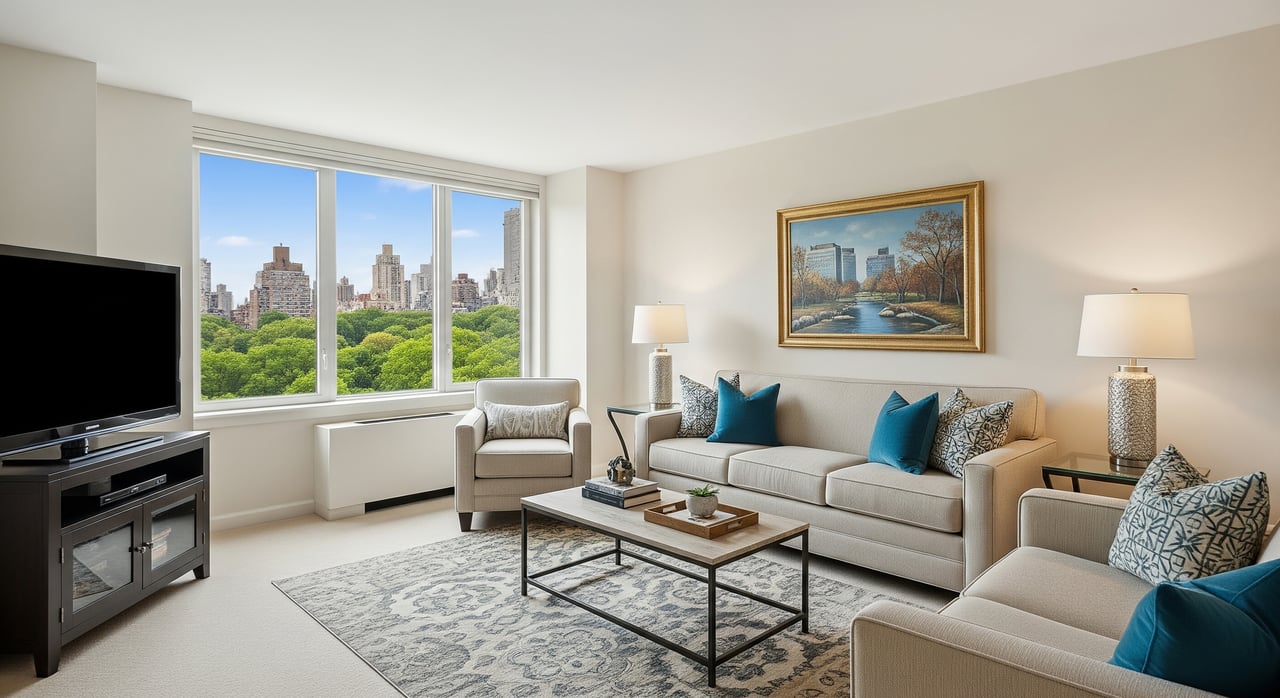
Central Park frontage and clear park views are among the strongest value drivers on the Upper West Side. Riverside Park and Hudson River outlooks also add meaningful premiums, especially on higher floors with open exposures. If your unit captures light and long views, you can often justify a higher price per square foot.
Address placement matters. Homes near Central Park West typically command the highest tier, while Columbus, Amsterdam, and Broadway have distinct buyer pools and pricing bands. Corner vs mid‑block placement affects light, noise, and privacy, which influences perceived value.
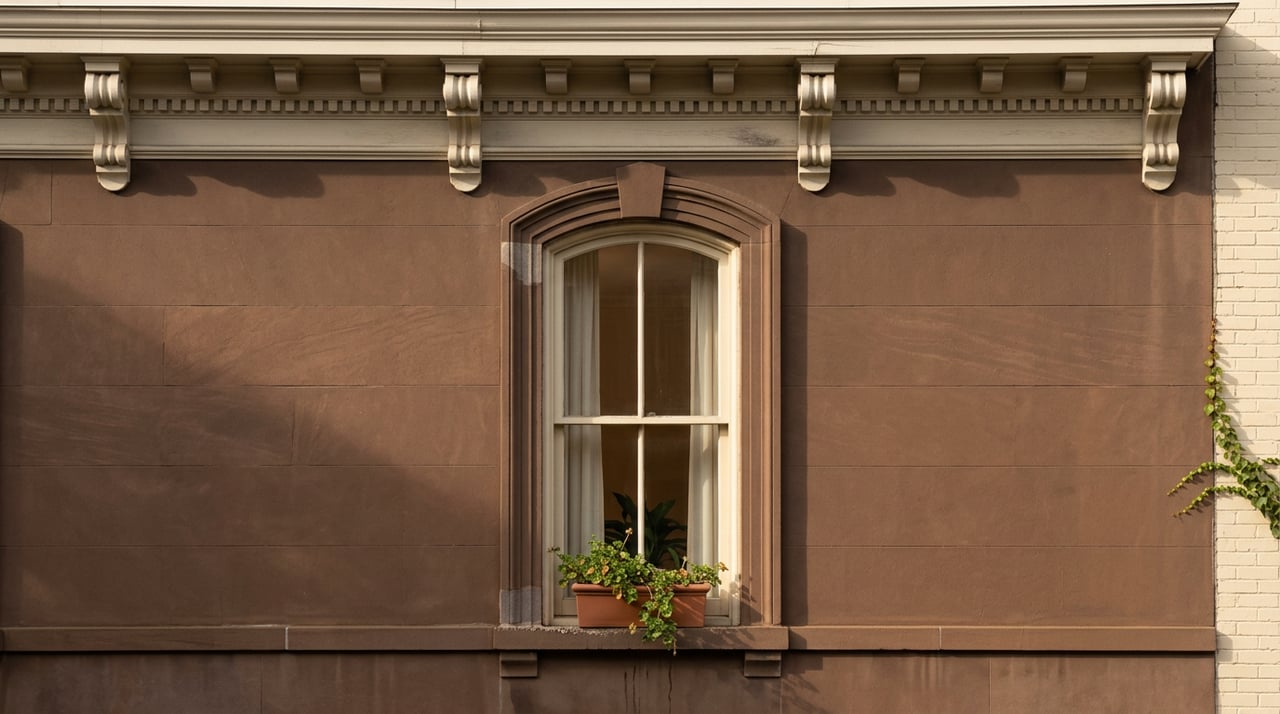
Prewar co‑ops with high ceilings and detailed millwork appeal to buyers seeking character, while postwar and modern towers attract those prioritizing amenities and large windows. Architect reputation, landmark status, and a building’s track record can create an intangible premium that shows up in the final sale price.
Condos generally trade at a higher price per square foot than co‑ops due to easier financing and more flexible policies. Co‑op board requirements, down payment minimums, and sublet restrictions can narrow the buyer pool and affect time to close. Confirm policies in the offering plan and house rules before you set pricing.
A full‑time doorman or concierge, a well‑equipped gym, storage, parking, and in‑unit washer/dryer are highly valued. Ongoing assessments or visible capital projects can dampen buyer enthusiasm in the short term, so price and disclosure should account for them.
Floor level, ceiling height, renovation quality, and private outdoor space all move the needle. A thoughtfully updated kitchen and baths, efficient layout, and strong mechanicals often translate to stronger offers and a shorter time on market.
Easy access to major subway lines and crosstown routes broadens your buyer pool. Blocks shift in feel from Lincoln Square through the 70s, 80s, and 90s, and nearby retail corridors can influence day‑to‑day convenience that buyers consider.
Seasonality and interest rates affect pricing power. The spring market often brings higher activity, while broader inventory levels and rate moves set negotiation dynamics across Manhattan.
Start with recent closed sales from your building over the last 3 to 12 months. If none exist, look to the same block face or adjacent blocks with similar exposures. Match by bedroom count, square footage, and building type, then note floor level, view quality, and renovation status.
Adjust price per square foot for differences like park or river views, private outdoor space, ceiling height, and finishes. Account for amenities such as doorman service, gym, and storage. For co‑ops, incorporate maintenance levels and board stringency, which influence carrying costs and buyer screening.
Days on market and sale‑to‑list ratios help you gauge buyer demand and realistic negotiation room. Multiple‑offer activity, preemptive bids, or quiet off‑market trades are signals that can justify a firmer pricing stance.
Co‑op board approvals can lengthen timelines and reduce the buyer pool, so pre‑screening is essential. Sellers should plan for broker commissions, legal fees, transfer taxes, and any building flip taxes or assessments. Lender requirements and mortgage rates influence buyer purchasing power, which can affect final pricing in your segment.
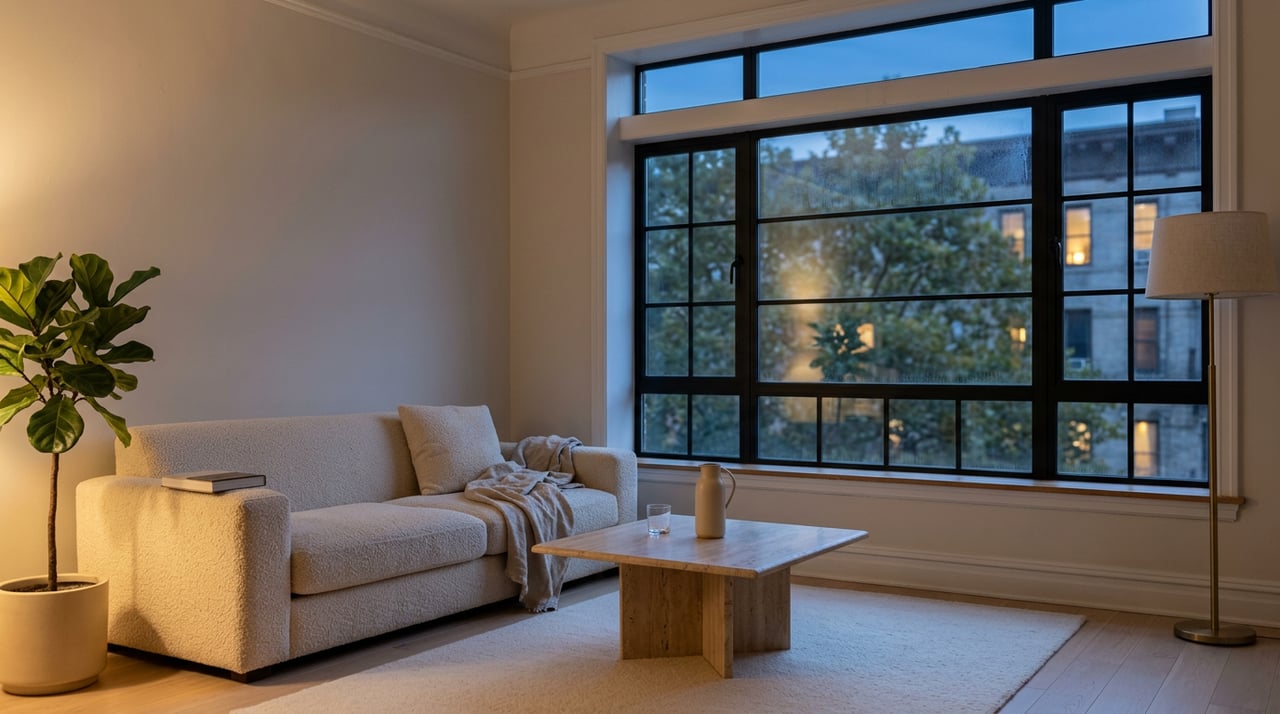
Professional photography and strategic staging are non‑negotiable for premium outcomes. Highlight park or river sightlines, ceiling height, period details in prewar homes, and any private outdoor space. Include accurate, detailed floor plans with room dimensions and orientation.
Anchor pricing at a level that attracts your target buyer segment. Overpricing often increases days on market and reduces your final number. Consider flexible closing dates and clean terms to widen your buyer pool and encourage stronger offers.
Leverage broker network outreach, especially to agents who regularly transact in your building and micro‑area. Broker opens and private showings with vetted buyers can be more effective for co‑ops, where board approval and privacy matter.
Cosmetic improvements, such as refreshed paint, lighting, hardware, and targeted kitchen or bath updates, often deliver strong returns. Major renovations require a careful cost‑benefit review against expected price lift and market timing. A focused two‑week prep plan can often unlock most of the upside without over‑investing.
If you want a private, data‑backed valuation for your Upper West Side condo or co‑op, we will analyze the right comps, assess your unit’s specific premiums, and outline a clear plan to maximize your net. With boutique, high‑touch service and Elegran’s institutional marketing and global distribution, we position listings to achieve premium outcomes. Request a Private Valuation with The Anable Podell Team to see what your home could sell for and how to get there.
Stay up to date on the latest real estate trends.



Etiam non quam lacus suspendisse faucibus interdum. Orci ac auctor augue mauris augue neque. Bibendum at varius vel pharetra. Viverra orci sagittis eu volutpat.