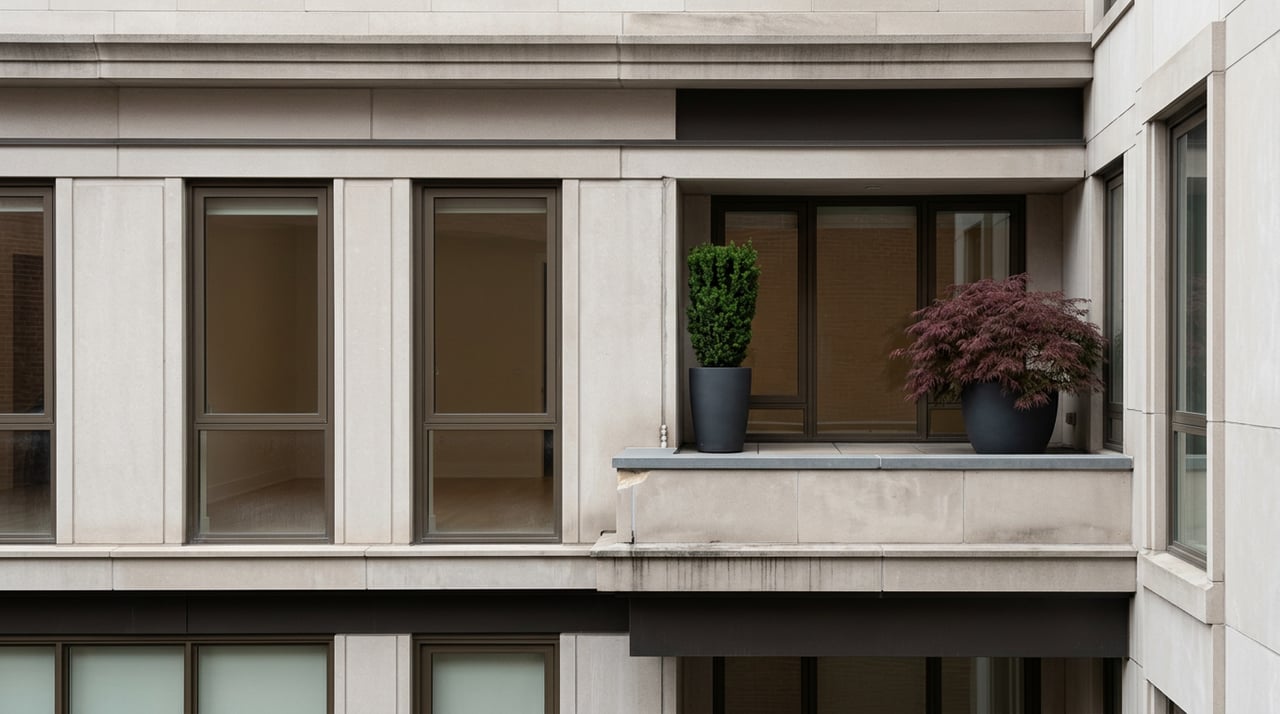
The Upper East Side's Median Price Is Hiding Two Different Markets
August 27, 2026
August 27, 2026
Search "Upper East Side apartments" and the portals will hand you a single number: a median sale price hovering around $1.4 million, based on the three months ending in May 2026. That number is accurate. It is also close to useless for deciding what your budget actually buys, because it blends two products that rarely compete against each other in the same buyer's search.
One is a prewar co-op on Fifth or Park Avenue, sold through a board that can reject a buyer for reasons it never has to explain. The other is a new-construction condominium rising on Second or Third Avenue, sold the way any other asset is sold, cash or financing, no interview required. Those two products currently trade at medians roughly $800,000 apart within the same neighborhood boundary. If you are comparing listings on price alone, you are not comparing homes. You are comparing legal structures.
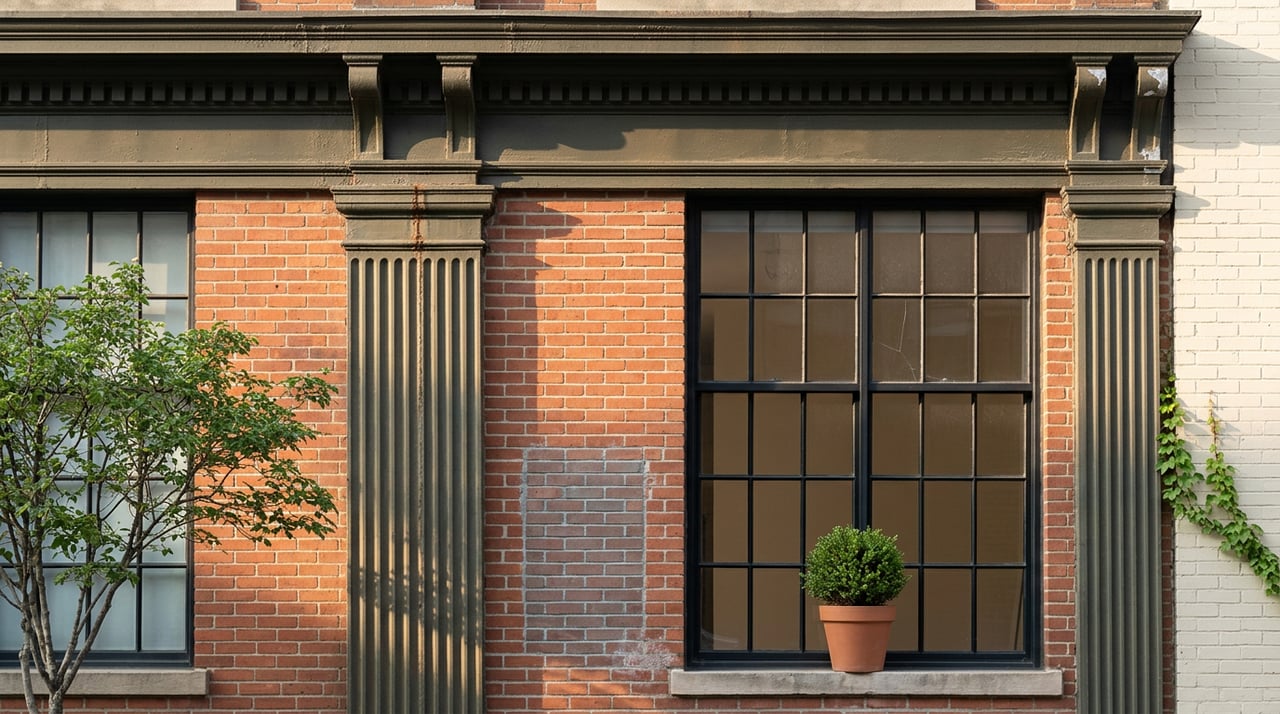
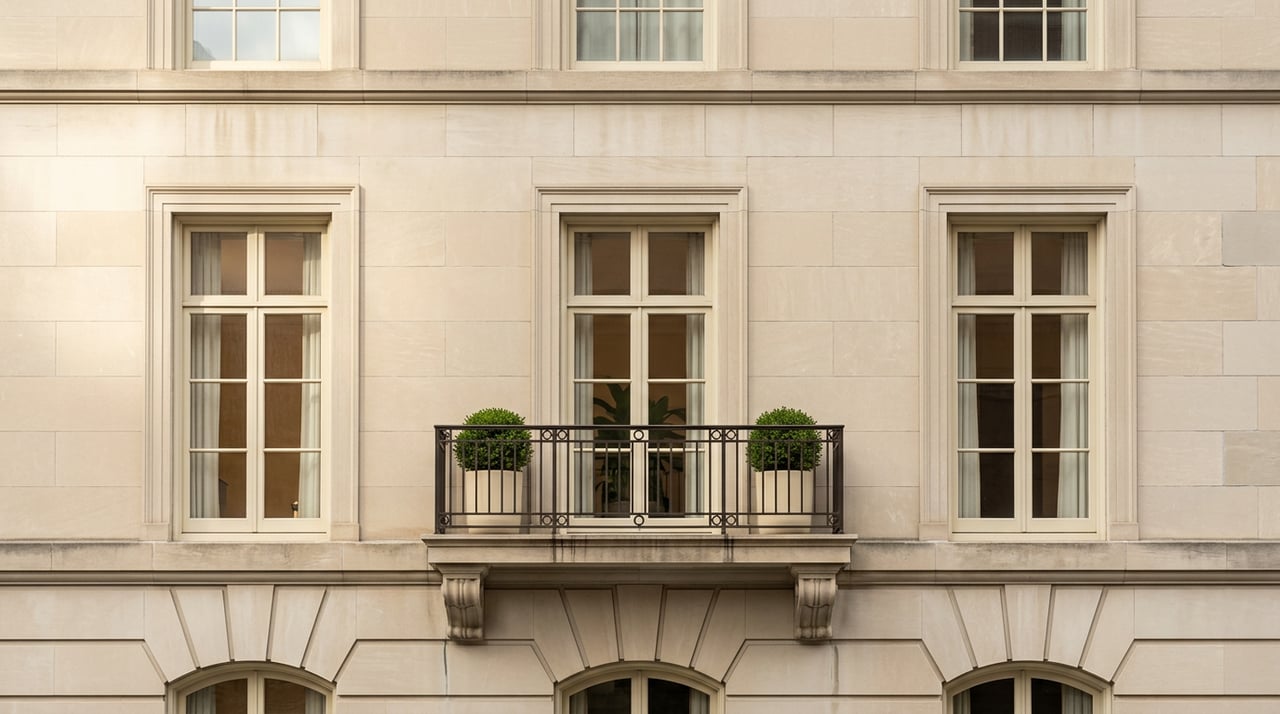
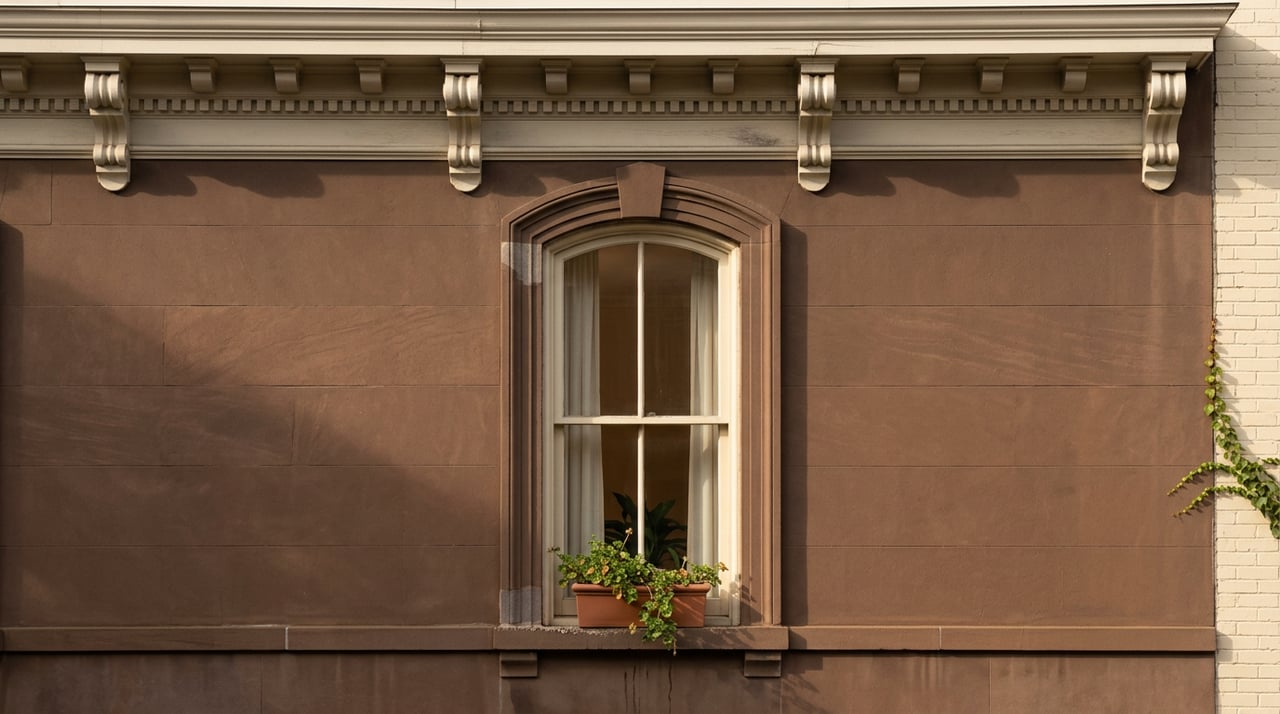
The Upper East Side splits geographically in a way that maps almost directly onto this divide. West of Lexington Avenue, toward Fifth and Park, the housing stock is dominated by prewar cooperative buildings built in the 1920s, many by architects like Rosario Candela. Turnover in the most established lines is generational rather than transactional. These are the buildings with the boards that ask for two years of tax returns, three reference letters, and an in-person interview before they let you buy in.
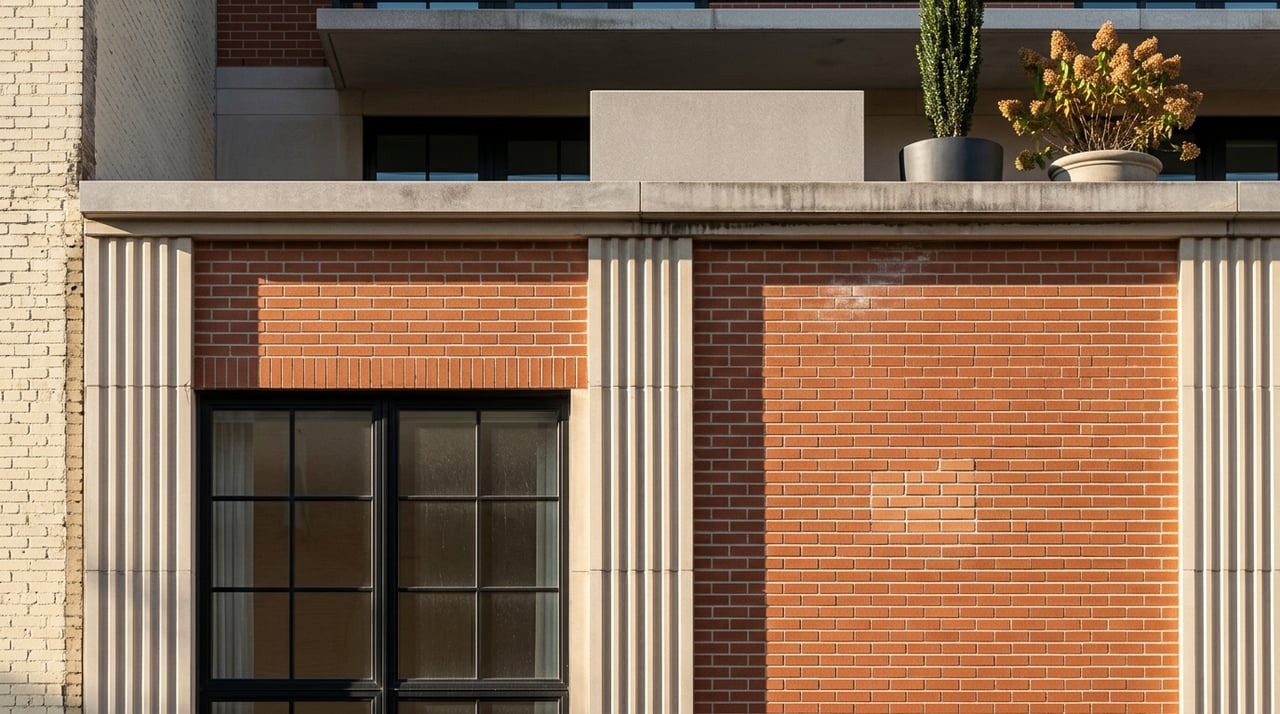
East of Park, running through Madison, Third, Second, and York Avenues, the building stock skews newer and the ownership structure skews condo. This is also where nearly all of the recent construction has landed. Part of that is geography and part of it is infrastructure: the Second Avenue subway's opening in 2017 gave the blocks east of Lexington a level of transit access they had not had in decades, and developers have spent the years since building toward it.
A two-bedroom listed in Yorkville and a two-bedroom listed on Park Avenue can carry the same square footage and nearly identical marketing language. They are not the same purchase.
The construction activity on the east side of the neighborhood is not theoretical. It is visible from the street, and it has a name attached to nearly every crane.
None of this is happening on Park Avenue. The legacy co-op corridor is not adding inventory in any meaningful way, because there is almost nothing left to build on and no appetite among existing shareholders to change that. The condo boom is a Third Avenue and Second Avenue story. The co-op market is a story about buildings that were finished before most of their current owners were born.
Here is the number that gets flattened when someone quotes you a neighborhood median. In the fourth quarter of 2025, co-ops on the Upper East Side, which still account for the bulk of inventory north of 60th Street, posted a median sale price of $825,000. Condos in the same neighborhood, over the same window, traded at a median of $1.66 million. In Carnegie Hill specifically, co-op pricing runs closer to $2 million against a condo median near $3.1 million.
It is tempting to read that gap as a bargain: same neighborhood, same schools, same museums, half the price if you buy a co-op. That reading misses what is actually priced into the number. A co-op discount reflects board approval risk, financing restrictions imposed by the board, and a buyer pool willing to accept months of scrutiny before a deal closes. A condo premium reflects the opposite: a purchase that closes on financing terms, with no board interview, in a building finished with imported stone and Rottet Studio interiors rather than prewar plaster.
Co-op contract activity across the Upper East Side was running roughly 15 percent below year-ago levels in early 2026, even as the co-op inventory itself was tightening. That is not a market where sellers are desperate. It is a market where a smaller pool of buyers, mostly people who already understand and accept board scrutiny, is transacting at a measured pace while everyone else routes toward the condo corridor.
The clearest evidence that these are separate markets, not just separate price tiers, comes from the transactions taking place in each one.
On the legacy co-op side, a co-op at 740 Park Avenue sold for $45 million, one of the most expensive cooperative sales on record in the city.
On the new-construction side, a buyer signed a contract for a $20 million penthouse at 200 East 75th Street, an 18-story tower developed by EJS Group. Same neighborhood. Both high-priced transactions. Completely different process, because the product itself is structured differently.
If you are searching the Upper East Side right now, the practical takeaway is not that one product is better than the other. It is that the median price you see on a portal search is an average of two markets that do not compete for the same buyer, and using it to calibrate your expectations will send you looking at the wrong inventory.
If your priority is scale, financing flexibility, and a closing process that runs on a predictable timeline, the condo corridor along Second and Third Avenue is where recent construction has concentrated, and it is priced accordingly. If your priority is a Park or Fifth Avenue address in a building with a long-established co-op board, be prepared for a slower process, a larger cash requirement, and a price that sits well below the condo comparable a few blocks east, for reasons that have nothing to do with the quality of the apartment.
The neighborhood also does not divide neatly into just those two categories. Realtor.com's January 2026 neighborhood data put Lenox Hill at a $3.5 million median home price, Carnegie Hill at $1.695 million, and Yorkville at $1.14 million, a spread wide enough that treating "Upper East Side" as one search radius will consistently mislead you about what a given budget covers.
Why do Upper East Side co-ops sell for so much less per square foot than condos? The gap reflects the transaction itself, not just the finishes. Co-op boards on Fifth and Park Avenue can require extensive financials, high down payment percentages, and an in-person interview, which narrows the buyer pool and slows the process. That friction shows up as a lower price relative to condos, where the deal closes without board approval.
Is the co-op discount likely to shrink? Co-op contract activity has been running below year-ago levels even as inventory tightens, which suggests the gap is a structural feature of the two ownership types rather than a temporary dip that will close on its own.
Where is most of the new construction on the Upper East Side happening? Almost entirely east of Park Avenue, concentrated along Second and Third Avenue in Yorkville and parts of Lenox Hill, where projects like 1448 Third Avenue and 200 East 83rd Street have added condominium inventory that the legacy co-op corridor west of Lexington is not producing.
If you are trying to figure out which side of this divide actually fits how you want to buy, that conversation is worth having before you tour anything. The Anable Podell Team works both corridors, board-driven co-ops and new-development condos alike, and can walk you through what a given price actually buys on each side of Park Avenue. Reach out to start that conversation.
This article is general information, not legal, tax or financial advice. Consult a qualified professional about your situation.
Stay up to date on the latest real estate trends.

Etiam non quam lacus suspendisse faucibus interdum. Orci ac auctor augue mauris augue neque. Bibendum at varius vel pharetra. Viverra orci sagittis eu volutpat.